 Amalfi City Guide
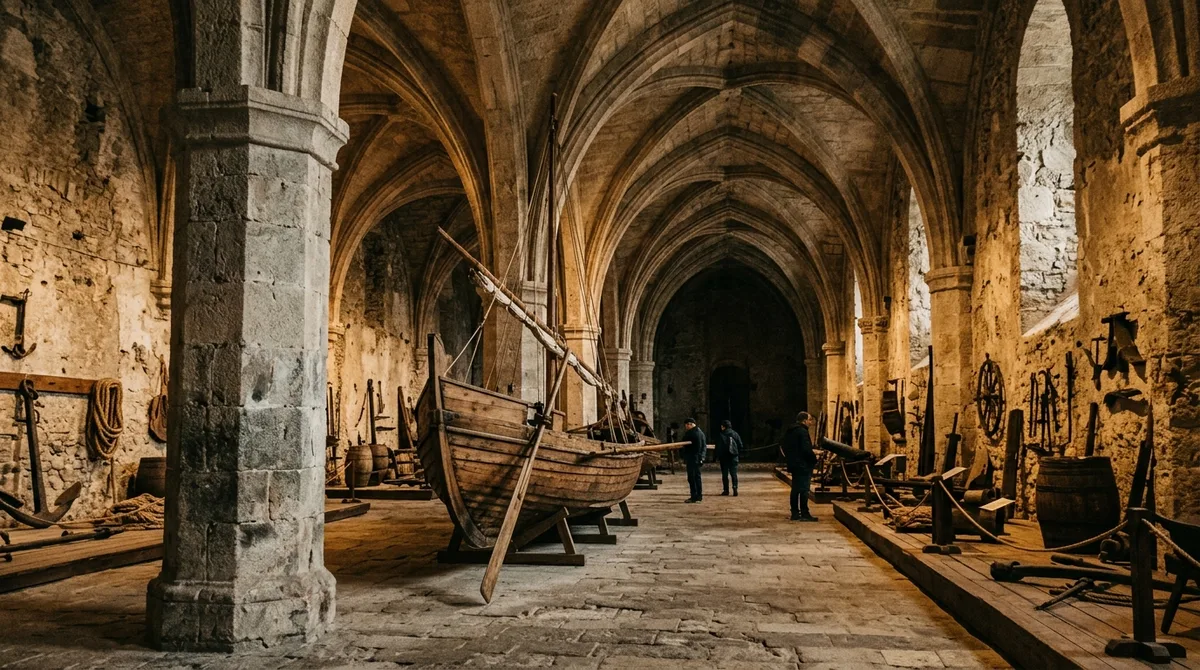
Arsenal of the Maritime Republic (Arsenale della Repubblica) in Amalfi
Dating back to the 11th century, the arsenale della repubblica amalfi (Arsenal of the Maritime Republic) is the premier secular medieval monument documented in our Amalfi attractions guide. This imposing stone shipyard was where the formidable naval fleet of the Republic of Amalfi was constructed and repaired. Today, beneath its monumental pointed Gothic stone vaults, the Arsenale houses the Museum of the Compass and the Maritime Duchy of Amalfi, preserving artifacts, ancient navigational instruments, and historical documents that shaped Mediterranean trade.
Quick answer Why visit the Arsenale in brief
The Arsenale is one of the only surviving medieval naval shipyards in southern Europe. Built in Arab-Norman Gothic style with twin vaulted stone naves, it reveals how tiny Amalfi became a superpower dominating Mediterranean trade from Egypt to Constantinople, gave the Western world the maritime compass, and wrote the world's oldest maritime legal code.
Key takeaways
- Unique architecture: Two surviving parallel stone galleries spanned by pointed arches supported by ten cruciform pillars.
- Warship construction: Designed to build 68-oared war galleys called sagene measuring over 40 meters in length.
- Key exhibit: The Tabula Amalphitana (Amalfi Maritime Code), which governed maritime commercial law across the Mediterranean for centuries.
- Navigational history: Dedicated exhibits documenting local inventor Flavio Gioia and the perfection of the floating magnetic mariner's compass.
Key facts
Opening hours
| April–October | 10:00–19:00 |
|---|---|
| November–March | 10:00–14:00 |
Closed Closed Mondays during winter; open daily throughout high season
Admission
- Adult
- $4.60 (€4.00) general entry ticket
- Reduced
- $2.30 (€2.00) students, seniors 65+, and groups
- Free
- Children under 6 and disabled visitors
Planning it
- Time needed
- 45 minutes to 1 hour
- Address
- Largo Cesareo Console, 3, 84011 Amalfi SA, Italy
Official museum entry tariffs compared to comprehensive guided walking tours of medieval Amalfi.
| Option | Price | Includes | Booking & Entry | Book |
|---|---|---|---|---|
| Arsenale Museum General Ticket | $4.60 (€4.00) | Admission to Gothic vaulted shipyard hall, maritime compass exhibits, Tabula code display | Purchase at door, cash and cards accepted | Official site |
| Amalfi Guided Walking Tour with Cathedral | $32.00 (€28.00) | Licensed guide, exterior Arsenale commentary, Duomo & Cloister entry included | Instant online booking, departs Piazza Duomo daily | Check Availability |
| Private Amalfi & Atrani Historical Walk | $160.00 (€140.00) | Private historian guide, detailed Arsenale visit, medieval alleyways to Atrani | Exclusive 2.5-hour tour customized for your party | Check Availability |
Interior of the ancient medieval stone Arsenal of the Maritime Republic in Amalfi with vaulted Gothic stone arches
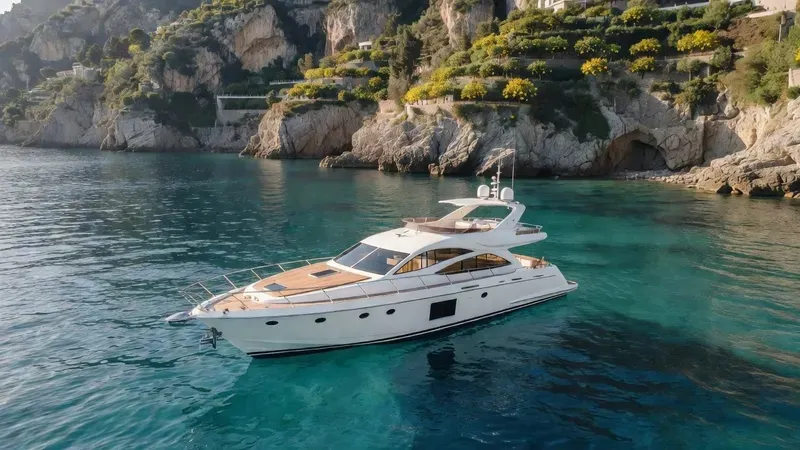 from $38.50
Amalfi: Guided Walking Tour with Cathedral & Cloister Visit
2-hour historical walking tour through Amalfi's medieval lanes with ticket and licensed guide into Duomo di Sant'Andrea and the Chiostro del Paradiso.
Check Availability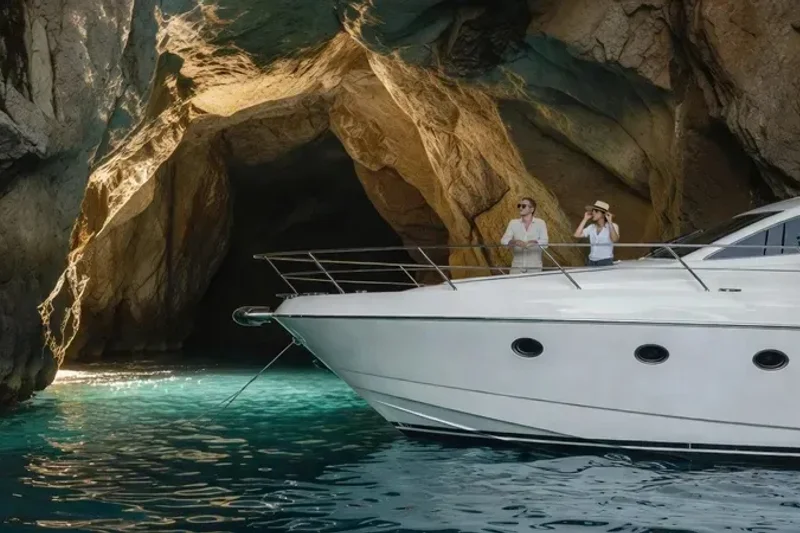 from $145.00
Private Amalfi & Atrani Medieval Alleys Guided Historical Walk
2.5-hour exclusive private historical walk linking Amalfi and medieval Atrani through covert alleyways, doge election churches, and panoramic clifftop lanes.
Check AvailabilityPrices, ratings and details are the platform's own. Dollar figures are the listed prices. The platform bills in your account's currency.
The Rise of the Maritime Republic & The Tabula Amalphitana
Amalfi's medieval shipyard preserves the legal, naval, and navigational origins of the Mediterranean's oldest maritime republic.
1. The Golden Age of the Maritime Republic
Between the 9th and 11th centuries, Amalfi was one of the four legendary Italian Maritime Republics (Repubbliche Marinare), rivaling Venice, Genoa, and Pisa. Hemmed in by vertical limestone cliffs with negligible agricultural land, Amalfi turned entirely to naval commerce, establishing trading colonies and consular courts in Alexandria, Cairo, Antioch, Constantinople, Durrës, and Tunis. Amalfian merchants traded timber from the Lattari Mountains, linen, paper, and chestnuts for Levantine silk, spices, precious gems, and Arabian gold dinars (tarì), which Amalfi minted under ducal authority.
2. Shipyard Architecture & The 1343 Tsunami
The monumental stone structure seen today is only half of the original medieval naval yard. On November 25, 1343, a catastrophic undersea earthquake triggered a devastating tsunami across the Gulf of Salerno—an event documented with horror by Renaissance poet Petrarch—which collapsed the outer half of the shipyard, the lower quays, and Amalfi's outer harbor wall. What survives are two grand parallel aisles covered by pointed Gothic cross-vaults resting on ten cruciform stone pillars, where shipwrights built 68-oared war galleys (sagene) over 40 meters long before launching them directly into the surf.
3. The Tabula Amalphitana & The Compass
The central exhibition hall safeguards high-resolution facsimiles of the Tabula de Amalpha (Tabula Amalphitana), a 66-chapter legal codex compiled between the 11th and 14th centuries that established foundational maritime law across the Mediterranean, regulating seafaring wages, freight contracts, collision liabilities, and shipwreck salvage rights. Adjoining exhibits chronicle local navigator Flavio Gioia and the perfection of the magnetic compass, housing navigational astrolabes, armillary spheres, and the carved winged-horse galley 'Vittoriosa' rowed in the annual Regata delle Antiche Repubbliche Marinare.
Arsenale della Repubblica & Historic Gate Map
Interactive map showing the medieval shipyard location by the sea gate in central Amalfi.
Landmarks Near the Arsenale
Steps away from the historic shipyard in Amalfi's walkable medieval center.
Duomo di Amalfi (Cathedral of St. Andrew)
Iconic striped Arab-Norman cathedral and 62-step monumental staircase.
2 min walk (100m)Chiostro del Paradiso
Moorish-style 13th-century cloister with delicate intertwined pointed arches.
3 min walk (120m)Museo della Carta (Paper Museum)
Working 13th-century water-powered paper mill in the upper Mill Valley.
12 min walk (800m)Amalfi Maritime Arsenals Architecture & Ship Museum Details
Structural dimensions, historical artifacts, and visiting details for the 11th-century dockyard of the Maritime Republic.
| Artifact / Architectural Feature | Historical Era | Historical Context | Exhibition Location | Visitor Details |
|---|---|---|---|---|
| Twin Gothic Stone Vaults | Completed c. 1080 | Constructed from local tufa stone to build 68-oar galleys (sagene) | Main structural hall | 10 stone piers surviving the catastrophic sea tsunami of 1343. |
| Amalfi Maritime Compass History | 13th Century | Commemorates Flavio Gioia and the perfection of the mariner’s compass | Central display bay | Displays early navigational lodestones, compass cards, and dry dials. |
| Tabula Amalphitana Copies | 11th – 14th Century | Amalfi Maritime Code that governed Mediterranean navigation for centuries | Glass security cases | 66 articles establishing maritime law, seamen rights, and salvage rules. |
| Historical Regatta Galley | Contemporary (1950s reconstruction) | Used in the annual Historical Regatta of the Maritime Republics | Central nave | Majestic winged horse prow and traditional 8-oared racing setup. |
The Naval Powerhouse of the Medieval Maritime Republic
Essential field-tested logistics, verified local guidance, and practical advice for Arsenal of the Maritime Republic Amalfi: History & Tickets (2026).
The Shipyard that Built Amalfi’s Imperial Mediterranean Fleet
Standing proudly just inside the Porta della Marina gate, the Arsenale della Repubblica is the only surviving medieval stone naval dockyard in southern Italy. Constructed during the 11th century when Amalfi was a formidable independent maritime republic rivaling Venice, Genoa, and Pisa, this fortified stone structure built the republic’s famous war galleys (sagene).
Measuring 120 feet in length with ten monumental stone vaulted bays, the shipyard launched fast, 100-oared warships that defended trade routes against Saracen pirate raids and projected Amalfi military power across North Africa and the Levant. The remaining twin stone naves give visitors a palpable sense of the sheer scale of medieval naval engineering.
The Tavole Amalfitane: Foundation of Modern Maritime Law
Inside the museum rests a priceless historical document: a 16th-century parchment copy of the Tavole Amalfitane (Tabula Amalphitana). Drafted in the 11th century, this code of 66 written maritime laws established legal standards for Mediterranean shipping that were recognized across Christian and Muslim ports alike.
The laws regulated sailors’ wages, crew liability in shipwrecks, freight damages, salvage rights, and insurance policies centuries before modern maritime law developed. The museum’s illuminated display allows visitors to inspect the Latin calligraphy and understand how Amalfi shaped global commerce.
Practical Visiting Information & Historical Regatta
What you need to know before visiting the Arsenal:
- ✓ Convenient Central Location: Located on Largo Cesareo Console, just 100 meters from Piazza Flavio Gioia and the ferry terminal.
- ✓ Admission Fee: Standard adult entry is €3.00; reduced student/youth rate is €2.00.
- ✓ The Historical Regatta: Every four years, Amalfi hosts the historic 8-oared galley regatta against Venice, Genoa, and Pisa. The Arsenal houses the iconic red wooden galley representing Amalfi.
The Naval Shipyard of the Medieval Maritime Republic
The historic stone dockyard where Amalfi's famous 68-oared war galleys were constructed.
The Medieval Sagene War Galleys
The Arsenale della Repubblica is the only surviving medieval dockyard in Southern Italy. Constructed in the 11th century, the stone building features twin naves covered by pointed cross-vaults supported by ten massive stone piers. Here, shipwrights constructed sagene—slender, fast 68-oared naval galleys designed to outmaneuver Saracen corsairs and protect Amalfi's trading convoys across the Mediterranean, Levant, and North Africa.
The 1343 Tsunami and Naval Decline
On November 24, 1343, a catastrophic submarine earthquake generated a devastating tsunami that engulfed Amalfi harbor. The wave smashed the outer harbor ramparts, submerged the lower arsenals, and swept away maritime infrastructure. Today, half of the original stone vaulted structure remains, housing a museum of maritime history and the Tabula Amalphitana maritime law code.
The Maritime Republic: Navigators, Compass & Empire
Essential field-tested logistics, verified local guidance, and practical advice for Arsenal of the Maritime Republic Amalfi: History & Tickets (2026).
The Invention of the Pivot Magnetic Compass: Flavio Gioia
Prominently honored with a bronze monument in the center of Piazza Flavio Gioia, Flavio Gioia is celebrated in Italian history as the Amalfi navigator who invented or dramatically refined the magnetic mariner’s compass in 1302. While primitive lodestone magnetic needles floating in water were known in ancient China, Amalfi navigators perfected the dry-pivot compass card (rosa dei venti) mounted on a brass gimbal.
This revolutionary technological breakthrough allowed European navigators to calculate precise bearings at night and during overcast stormy seas without relying on celestial star sightings, sparking the Age of Discovery and Mediterranean maritime dominance.
Amalfi’s Imperial Colonies from Constantinople to Jerusalem
Centuries before the rise of Venetian power, the Republic of Amalfi maintained fortified trading colonies (fondachi) with extraterritorial legal rights in Constantinople, Alexandria, Antioch, Beirut, and Cairo. Amalfitan merchants were so influential in the Holy Land that in 1048 they established a historic hospice and hospital in Jerusalem to care for poor and sick Christian pilgrims, founding the legendary monastic military order that survives today as the Sovereign Military Order of Malta (the Knights of Malta), whose eight-pointed white cross remains the official civic emblem of Amalfi.
Medieval Naval Engineering: Keels, Oak Timbers & Tar
Essential field-tested logistics, verified local guidance, and practical advice for Arsenal of the Maritime Republic Amalfi: History & Tickets (2026).
How Monti Lattari Oak Built the War Galleys (*Sagene*)
Constructing a medieval naval war fleet required immense natural resources. The dense deciduous oak, beech, and chestnut forests of the high Monti Lattari mountains above Amalfi provided durable curved timber for ship keels, ribs, and hull planking. Timber was felled in winter, skidded down mountain ravines by teams of draft oxen, and seasoned in freshwater ponds in the Valle dei Mulini.
Hemp grown in the fertile valleys was spun into marine cordage and rigging in specialized ropewalk workshops, while mineral pitch and pine resin were boiled in stone cauldrons inside the Arsenal to caulk hull seams against sea water.
2026 Practical Field Guide: Timing, Payments & Local Etiquette for Arsenale Della Repubblica
Crucial on-the-ground operational rules, financial realities, and daily visitor protocols to ensure a smooth, rewarding experience at Arsenale Della Repubblica.
Optimal Visiting Windows & Peak Crowd Flow at Arsenale Della Repubblica
Experiencing Arsenale Della Repubblica without overwhelming crowds requires understanding the sharp contrast between day-tripper hours and resident rhythms. Tour buses from Naples and Sorrento arrive along the coastal highway between 10:00 and 10:30, releasing high passenger volumes into public plazas and popular landmarks until approximately 15:30. By contrast, the early morning hours between 07:30 and 09:30 offer tranquil streets, cool temperatures, and pristine photographic light where limestone cliffs glow gold.
During July and August, midday temperatures routinely climb above 34°C (93°F); taking a midday pause in shaded cafes or valley interiors between 12:30 and 15:00 protects you from heat exhaustion while allowing you to enjoy a second sightseeing wave after 16:30 when soft evening breezes (ponente) begin to blow.
Payment Realities, Local ATMs & Avoiding Conversion Surcharges
While European legislation mandates card acceptance for retail purchases, daily life on the Amalfi Coast frequently demands physical euro cash. Municipal public restrooms (€1.00 coin turnstiles), Tabacchi bus ticket counters, coin-operated beach rinse showers, and luggage porter tips operate exclusively on cash. When withdrawing funds, steer completely clear of standalone yellow-and-blue Euronet ATMs positioned near ferry docks and souvenir shops; these third-party terminals employ predatory Dynamic Currency Conversion (DCC) models that impose stealth markups of 11% to 14% on foreign exchange.
Always use official Italian bank branch ATMs (Bancomat) operated by established national institutions such as Intesa Sanpaolo or UniCredit located on main town squares. When prompted by card terminals during restaurant or shop checkouts, always select the option to be charged in local EUR rather than your home billing currency to let your domestic bank handle conversion at interbank exchange rates.
Public Facilities, Modesty Guidelines & Hydration Points
Navigating public spaces around Arsenale Della Repubblica requires adherence to civic regulations and cultural norms. Historical religious sanctuaries enforce strict modesty codes: shoulders and knees must be fully covered, and visitors wearing sleeveless tops, crop tops, or short beachwear are turned away at the threshold. Keep a lightweight linen scarf or cotton wrap accessible in your daypack to drape over your body before entering historic buildings.
Municipal bylaws also prohibit walking through town streets or commercial promenades shirtless or solely in swimwear, carrying fines up to €250. Clean municipal public restrooms are situated at primary transit terminals and harbor piers, staffed throughout the day for a €1.00 fee. For hydration, seek out municipal cast-iron drinking fountains (fontanelle) that continuously dispense cold, potable mountain spring water; carrying a reusable stainless steel flask eliminates the need to purchase single-use plastic bottles while ensuring you remain well-hydrated throughout the day.
After exploring the arsenal, the historic streets of Amalfi are best understood on foot, and Amalfi walking tours offer an easy way to continue through the town with local context.
Regional Transit Coordination & Terrain Navigation: Arsenale Della Repubblica
Strategic transport mechanics, luggage management, and topographic realities when exploring Arsenale Della Repubblica and adjacent coastal destinations.
Maritime Ferry Logistics & Sea Swell Contingencies
Maritime passenger catamarans operated by Travelmar, NLG, and Positano Jet represent the fastest, most reliable method for traveling between Amalfi and neighboring coastal towns, bypassing highway traffic jams completely. During the April-to-October operating season, passenger ferries run frequent scheduled departures connecting Amalfi to Positano, Capri, Salerno, Minori, and Maiori. Boarding occurs from Molo Pennello, where passengers should queue at least 15 minutes before the departure bell.
However, travelers must monitor maritime conditions: strong southwesterly winds and heavy sea swells (mare agitato) can lead harbor masters to suspend docking at exposed piers like Positano or Amalfi. In such events, transit automatically shifts to inland SITA regional buses, causing bus terminal queues to swell. Maintaining the official SITA bus schedule on your smartphone and booking morning ferry runs—when sea swells are typically lowest—provides reliable travel security.
Luggage Transfers, Porters & Vertical Staircase Realities
The sheer limestone topography of the Amalfi Coast means that reaching hotels, guesthouses, and scenic viewpoints involves ascending dozens or hundreds of steep stone steps (scale). Wheeled suitcases cannot be rolled across ancient irregular cobblestones or up steep stairways. Travelers arriving with full-sized luggage should utilize municipal luggage storage facilities at the port (€5.00 to €8.00 per piece) or coordinate private luggage porter services directly through their accommodation or harbor kiosks (€10.00 to €15.00 per bag).
Professional porters utilize specialized motorized stair-climbing hand trucks or carry bags up steep residential alleys, sparing travelers exhausting physical strain under direct coastal sun. Packing light in carry-on backpacks or compact duffels remains the single most effective way to navigate the vertical layout of coastal settlements.
Footwear Architecture, Heat Safety & Emergency Care Protocols
Walking distances around Arsenale Della Repubblica accumulate rapidly, often totaling 10,000 to 16,000 steps per day across uneven stone surfaces, steep inclines, and polished marble steps that become dangerously slick when wet. Smooth leather-soled shoes, flip-flops, and high heels present serious slipping hazards; visitors should wear supportive walking shoes, trail running shoes, or sturdy hiking sandals featuring aggressive rubber tread patterns. In case of unexpected medical emergencies, dial 112 (universal European emergency service) or 118 directly for ambulance dispatch.
The primary local emergency medical clinic (Pronto Soccorso) serving the central coast is located in nearby Castiglione di Ravello, equipped with bilingual medical staff, diagnostic equipment, and triage units. Local pharmacies (farmacie) in central squares rotate emergency night shifts and can dispense over-the-counter remedies for motion sickness, dehydration, and minor sprains.
Where is the Arsenale located in Amalfi?
The Arsenale is located right at the western entrance of Amalfi's historic center on Largo Cesareo Console, only 30 meters from the Piazza Flavio Gioia bus terminal and 100 meters from Piazza Duomo.
What is the historical connection between Amalfi and the compass?
According to maritime tradition, local navigator Flavio Gioia of Amalfi perfected the magnetic mariner's compass in 1302 by suspending a magnetized needle in an oil or water box marked with the 32 points of the wind rose, transforming open-sea Mediterranean navigation.
Is the Arsenale suitable for children?
Yes. Children enjoy the model galleys, ancient nautical instruments, ceremonial rowing race costumes, and the cool, atmospheric medieval stone vaults.
How long does a visit to the Arsenale take?
Most visitors spend between 30 and 45 minutes exploring the vaulted galleries, inspecting historical ship models, and reading the Tabula Amalphitana maritime legal manuscripts.
Are tickets combined with the Duomo or Paper Museum?
No, the Arsenale is managed directly by the Comune di Amalfi and requires a separate €4.00 ticket purchased at the door.
Is the Arsenale accessible for travelers with limited mobility?
Yes. Unlike the Duomo, the Arsenale is located at ground level on the waterfront with flat stone flooring, making it completely accessible for wheelchairs and strollers.
Where is the Arsenale della Repubblica located?
The Arsenale is located directly across from the ferry dock on Largo Cesareo Console, just 50 meters west of Piazza Flavio Gioia. It is the large stone building with Gothic pointed archways adjacent to the bus roundabout.
What is the Tabula Amalphitana on display in the Arsenale?
The Tabula Amalphitana (Amalfi Maritime Code) was a legal treatise of 66 articles codified in the 11th century that governed Mediterranean maritime trade, sailors' compensation, collision liability, and salvage rights. It remained the recognized law of the sea across the Mediterranean until the late 16th century.
What is the best way to handle tipping at Arsenale Della Repubblica?
Tipping is not mandatory in Italy. Most sit-down establishments include a per-person cover charge (coperto) of €2.00 to €4.00 on the final bill for bread and table setting. Leaving 5% to 10% in cash for attentive service or rounding up the bill by a few euros is a generous and appreciated gesture, but it is never expected or demanded.
Can you use international credit cards everywhere near Arsenale Della Repubblica?
Visa and Mastercard are accepted at virtually all hotels, sit-down restaurants, boutiques, and ferry ticket windows. However, American Express is occasionally declined by small family-run trattorias. Always carry €40.00 to €60.00 in small euro banknotes for bus tickets, espresso bars, and public restrooms.
How do you check for scheduled transport strikes (sciopero) affecting Arsenale Della Repubblica?
Italian transit unions occasionally stage 24-hour general strikes (sciopero). By Italian law, minimum guaranteed service windows (fasce di garanzia) operate between 06:00–09:00 and 18:00–21:00. Check the official Ministry of Infrastructure and Transport (MIT) strike calendar online or ask your hotel reception 24 hours prior to long travel days.
Prices, hours and terms are set by the venue or operator and confirmed at checkout.
We may earn a commission if you book through one of our links, at no extra cost to you. Full affiliate disclosure