 Amalfi City Guide
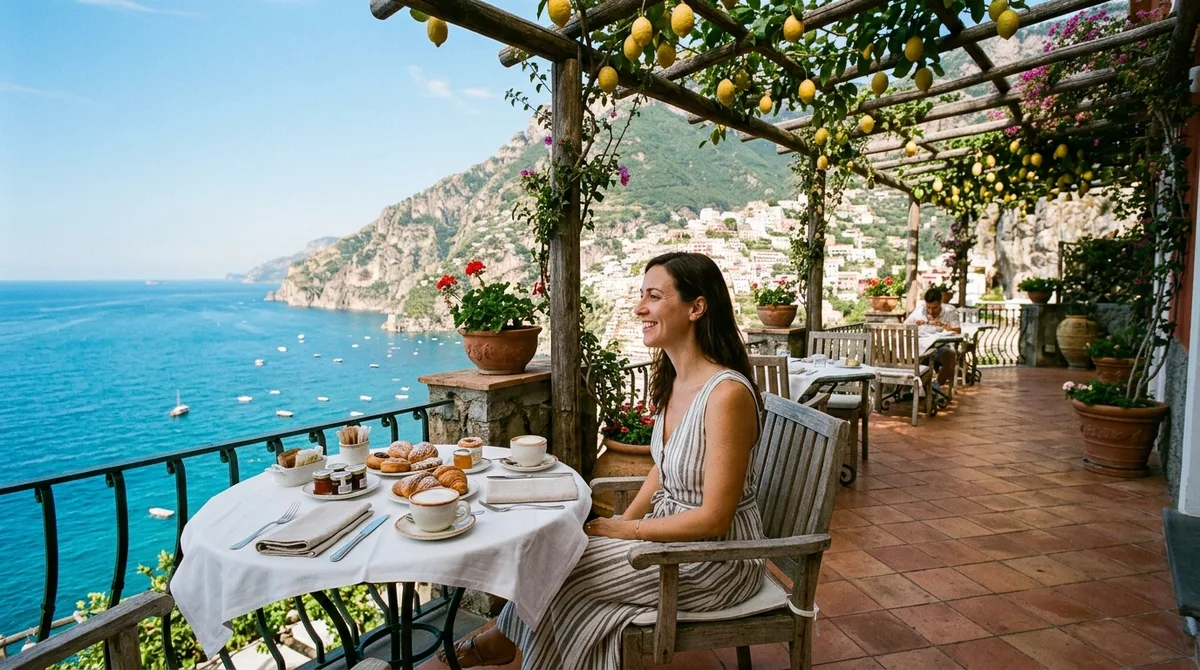
Where to Stay in Amalfi & the Coast: Towns & Areas Compared
Deciding where to stay in amalfi and the wider coast shapes your entire daily routine: Amalfi town is the central transport hub where all ferries and buses intersect, Atrani offers quiet village charm within 10 minutes' walk, Ravello provides serene mountain luxury, and Positano delivers high-energy cliffside glamour. This comprehensive guide compares nightly hotel price bands, stair counts, and luggage practicalities. Broader coastal accommodations are reviewed on our Amalfi Coast hotels guide and overall highlights sit on the page covering things to do in amalfi.
Quick answer Best town to choose based on transport and trip style
Stay in Amalfi town center if you prioritize easy ferry and bus connections without hiring private drivers. Stay in Atrani for peaceful village life at lower rates, Ravello for mountain luxury and romance, and Positano for nightlife and iconic views.
Key takeaways
- Amalfi town is the undisputed transit hub: all major ferries to Positano, Capri, and Salerno dock here, and all SITA bus routes originate from Piazza Flavio Gioia.
- Atrani is connected to Amalfi via a 10-minute pedestrian tunnel and sidewalk, offering authentic local atmosphere and lower nightly rates.
- Always check whether your hotel offers luggage porter service (facchino); hauling heavy bags up 200 cliff steps in summer heat is exhausting.
- Book accommodations 4 to 6 months ahead for June through September to secure rooms with elevators or flat road access.
Amalfi Coast Towns & Base Areas Compared
Compare nightly price bands, transport connectivity, and physical terrain across prime coastal base locations.
| Base Town / Area | Character & Vibe | Typical Nightly Rate | Transit Connectivity | Stair & Luggage Factor |
|---|---|---|---|---|
| Amalfi Town Center | Central, lively, historic | $210–$400 (€190–€360) | 5/5 (Ferry & Bus Hub) | Low near beach; high on upper hills |
| Atrani | Quiet, authentic fishing village | $155–$290 (€140–€260) | 4.5/5 (10 min walk to Amalfi) | High (steep medieval alleys) |
| Ravello | Romantic, aristocratic, quiet | $240–$560 (€220–€510) | 3/5 (Bus to coast required) | Moderate (mostly gentle ramps) |
| Positano | Glamorous, chic, vertical | $330–$800 (€300–€720) | 3.5/5 (Ferry, congested road) | Extreme (hundreds of steps) |
| Minori & Maiori | Family-friendly, flatter beaches | $120–$240 (€110–€215) | 3.5/5 (Frequent ferries/bus) | Low (gentle, flat terrain) |
| Praiano | Tranquil sunsets, authentic charm | $180–$350 (€160–€320) | 2.5/5 (Bus only; no ferry port) | High (steep cliff stairways) |
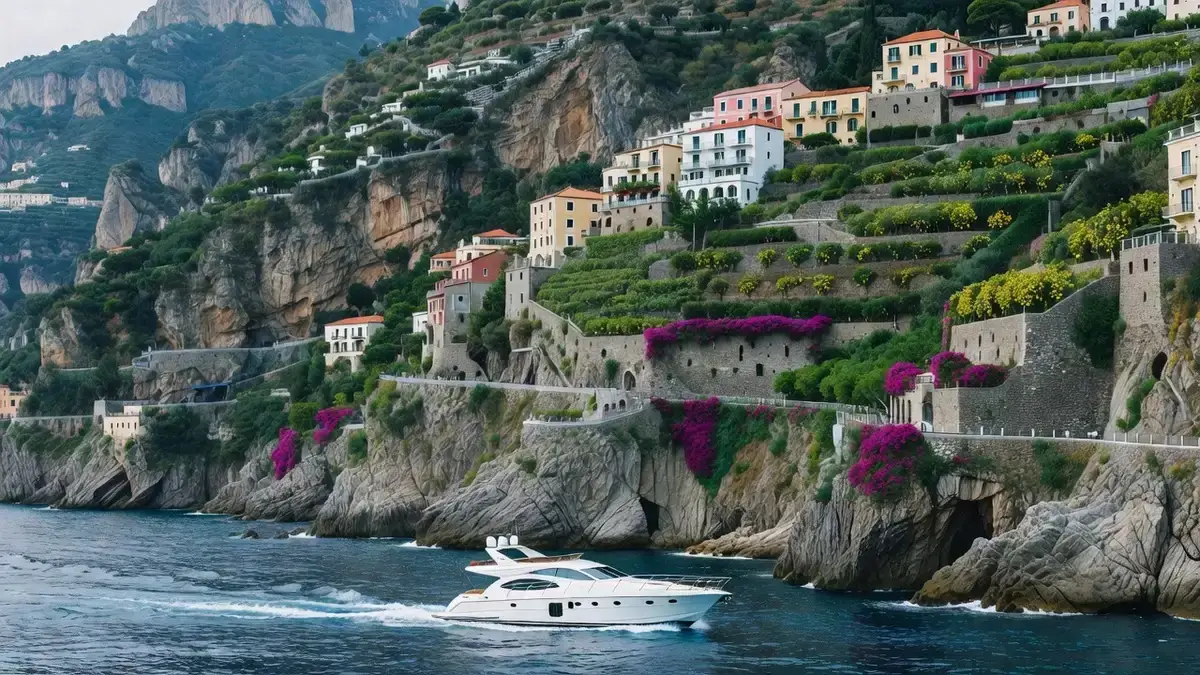
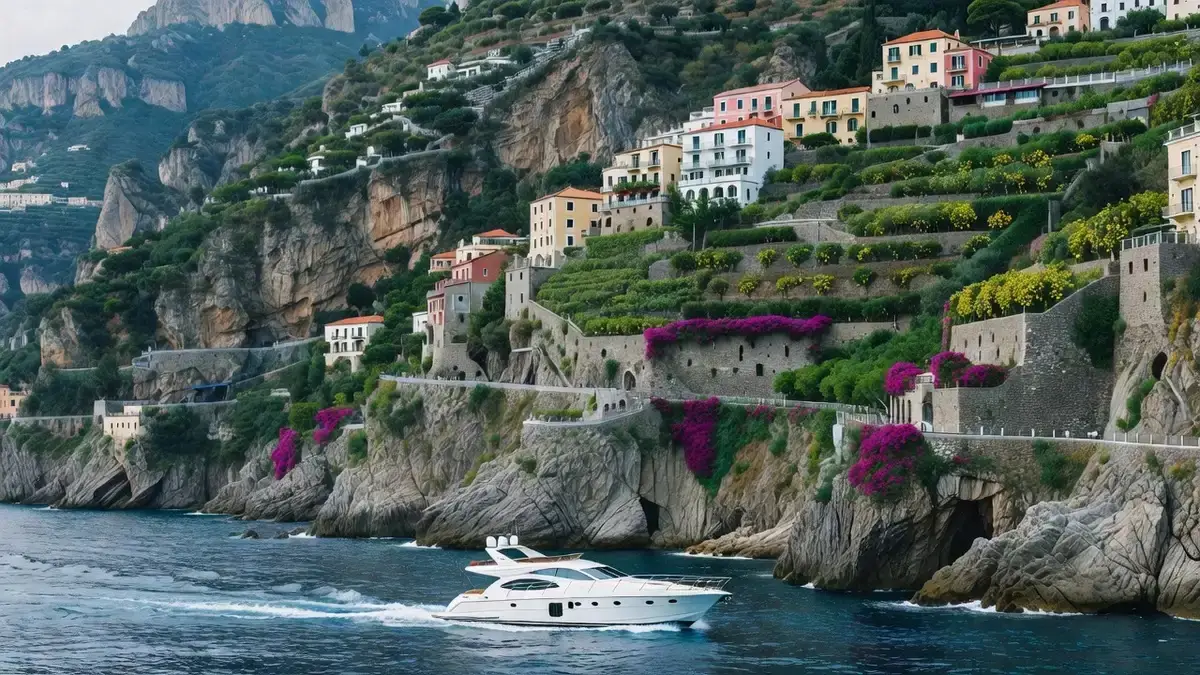
Cliffside hotels and villas overlooking the blue sea in Amalfi
Amalfi Town: The Central Transit Hub & Districts
Staying in Amalfi town gives you unrivaled strategic mobility, but choosing the right micro-neighborhood determines your stair-climbing burden.
Piazza Duomo & Waterfront (Flat, Central & Convenient)
Properties situated within 200 meters of Piazza Duomo and Corso delle Repubbliche Marinare (such as Hotel Marina Riviera, Hotel Residence, and Hotel Fontana) place you directly at sea level. You can walk straight off the ferry pier with rolling luggage, reach the SITA bus terminal in 2 minutes, and have dozens of trattorias, bakeries, and cafes at your doorstep. These locations are the most sought-after by travelers staying 1 to 3 nights who plan to take daily day trips.
Valle dei Mulini (Quiet, Gentle Gradient & Authentic)
Stretching northward from Piazza Duomo into the Valley of the Mills along Via Lorenzo d'Amalfi, this residential district runs along the old stream bed toward the Paper Museum. Accommodations here sit on a gentle continuous incline rather than steep staircases. It is significantly quieter at night once the day-tripper crowds disperse, filled with neighborhood grocery delis, local pizzerias, and peaceful mountain air.
Expect a 7- to 12-minute pleasant walk to the ferry dock.
Cliffside Hamlets: Lone, Pastena & Pogerola
Perched high above Amalfi on the western cliffs, the hamlets of Lone, Pastena, and mountain-top Pogerola offer sweeping 180-degree panoramas of the Gulf of Salerno at much lower prices. However, they are physically detached from the harbor: reaching them requires taking small municipal shuttle buses (Mobilità Costiera) climbing hairpin switchbacks, or tackling steep staircases with 400 to 1,000 steps. These areas suit travelers staying for a week who want quiet apartment retreats.
Neighboring Bases: Atrani, Ravello & Positano Compared
How Amalfi compares to its most famous coastal neighbors for your base accommodation.
Atrani: The Authentic Village 10 Minutes Away
Atrani is Italy's smallest municipality by surface area, situated inside a dramatic gorge just east of Amalfi. It centers on an intimate pedestrian piazza (Piazza Umberto I) with outdoor cafes and a sheltered sandy beach. An illuminated pedestrian tunnel and seaside walkway link Atrani directly to Amalfi in just 8 to 10 minutes on foot.
Staying in Atrani offers an authentic glimpse of local life with 20% to 30% lower accommodation prices, while keeping all of Amalfi's ferry connections within easy walking distance.
Ravello: Mountain Splendor, Classical Music & Gardens
Perched 350 meters above the sea, Ravello is the cultural jewel of the coast, famous for historic gardens (Villa Rufolo, Villa Cimbrone) and luxury 5-star cliff resorts like Belmond Hotel Caruso and Palazzo Avino. Ravello is exceptionally quiet, romantic, and refined. However, because it has no sea access, staying here means you must take a 25-minute SITA bus or a €40.00 taxi down to Amalfi every time you want to catch a ferry or visit the beach.
Positano: Cliffside Drama, Nightlife & Luxury Boutiques
Positano is the iconic vertical postcard of the Amalfi Coast, famed for cascading pastel villas, high-end fashion boutiques, lively beach clubs, and chic cocktail bars (like Le Sirenuse's Franco's Bar). However, Positano is exceptionally steep, physically demanding, heavily congested from 09:00 to 18:00, and its hotels cost 30% to 50% more than comparable properties in Amalfi.
Stair Navigation, Luggage Porters & Booking Advice
Critical practicalities to consider before locking in non-refundable reservations.
The Uniformed Luggage Porters (*Servizio Facchini*)
Almost all cliffside properties on the Amalfi Coast lack elevators. When arriving at Amalfi Port by ferry or bus, look for the uniformed luggage porters operating from the pier head. For €10.00 to €15.00 ($11.00–$16.50) per bag, they load heavy suitcases onto motorized stair-climbing hand trucks and deliver them directly to your hotel room.
If your hotel requires climbing more than 50 stone steps, paying for porter service is the best €15 you will spend on the coast.
Checking for Elevator Access & Advance Booking Windows
Always read hotel reviews carefully to verify whether properties advertise an elevator (ascensore). Some hotels advertise 'elevator access' that only reaches the first floor, leaving 80 steps to your bedroom. For travel between June and September, book sea-view rooms and ground-accessible hotels 4 to 6 months in advance.
Ground-level rooms near the port sell out earliest.
Recommended Amalfi Walking Tours & Excursions
Enhance your stay with small-group guided historical walks, lemon grove visits, and coastal cruises departing from Amalfi.
 from $38.50
Amalfi: Guided Walking Tour with Cathedral & Cloister Visit
2-hour historical walking tour through Amalfi's medieval lanes with ticket and licensed guide into Duomo di Sant'Andrea and the Chiostro del Paradiso.
Check Availability from $75.00
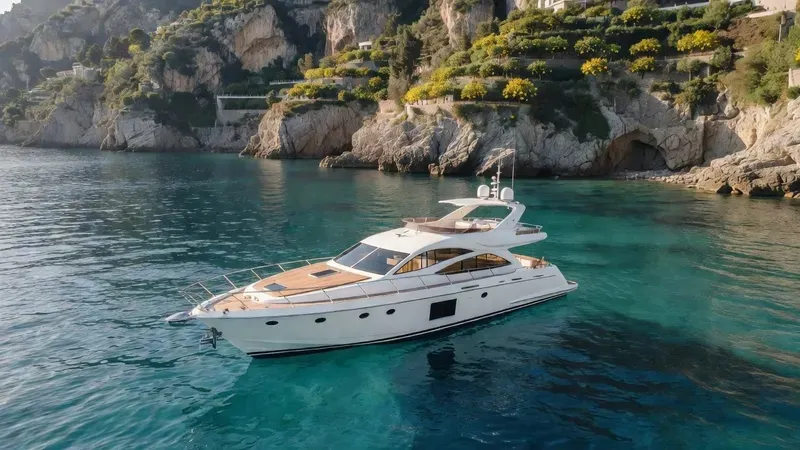
Amalfi to Positano & Emerald Grotto: Coastal Boat Cruise with Swimming
4-hour small-group boat cruise from Amalfi Molo Pennello past Furore Fjord to Positano with swim stops, snorkeling masks, and chilled prosecco.
Check Availability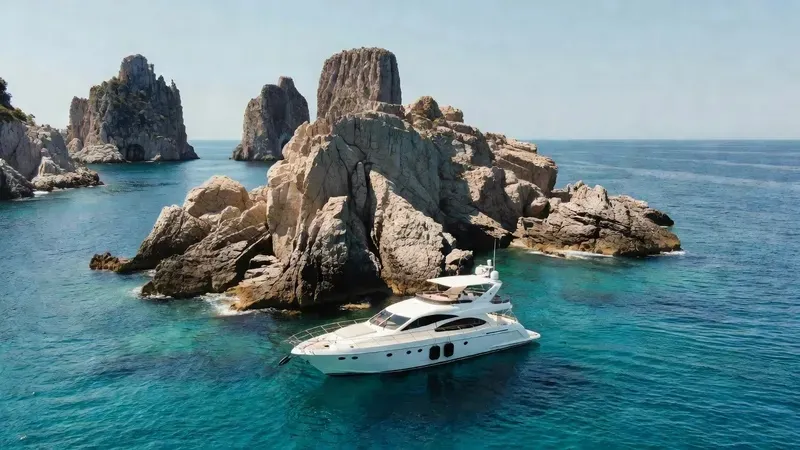 from $129.00
Full-Day Capri Island Cruise & Blue Grotto from Amalfi
Full-day small-group cruise from Amalfi around Capri island: Faraglioni, White & Green Grottoes, swim stops, and 4 hours of free time on the island.
Check AvailabilityPrices, ratings and details are the platform's own. Dollar figures are the listed prices. The platform bills in your account's currency.
Accommodation Areas Map
Prime lodging zones mapped along the central Amalfi coastline.
Essential Planning Guides
Pair your hotel booking with our specialized logistics and cost breakdowns.
Hotels on the Amalfi Coast
Comprehensive guide across all 6 coastal towns, luggage porter rules, and clifftop bases.
Amalfi Costs Guide
Tourist taxes, daily spending budgets, dining prices, and tipping etiquette.
Getting Around Amalfi
SITA buses, passenger ferries, scooter rentals, and taxi tariffs compared.
Amalfi Coast Base Towns Compared for Overnight Stays
Strategic evaluation of top coastal towns as home bases for a 3-to-7 day Amalfi vacation.
| Base Town | Transit Convenience | Nightly Hotel Price | Stair Climbing Demands | Atmosphere & Character |
|---|---|---|---|---|
| Amalfi Town | Superior (nexus for all ferries & SITA buses) | High (€180 – €450) | Low to Moderate (flat center, steep hamlets) | Bustling historic republic; ideal central hub for day-tripping. |
| Atrani | High (10-minute flat tunnel walk to Amalfi port) | Moderate (€120 – €280) | Moderate (vaulted staircases to upper B&Bs) | Intimate, authentic fishing village with quiet piazzetta dining. |
| Ravello | Moderate (bus or taxi required to reach sea) | Very High (€250 – €750+) | Low to Moderate (flat ridgetop promenade) | Serene aristocratic mountain retreat with cool evening breezes and music festivals. |
| Positano | Moderate (ferry pier at base of vertical cliff) | Extremely High (€350 – €1,200+) | Very High (hundreds of vertical stairs) | High-fashion glamour, steep cliffside dining, and luxury boutique hotels. |
| Maiori & Minori | High (frequent Travelmar ferries & flat roads) | Moderate (€110 – €220) | Low (flattest coastal terrain in Campania) | Family-friendly, wide sandy beach promenade, authentic pastry culture (Sal De Riso). |
Town-by-Town Lodging Strategy & Accommodation Realities
Essential field-tested logistics, verified local guidance, and practical advice for Where to Stay in Amalfi: Towns, Areas & Hotel Advice.
Why Amalfi Town Is the Logistical Gold Standard
For travelers planning to explore the entire region, Amalfi town is the undisputed top location for lodging. As the geographical and transit crossroads of the coast, staying in Amalfi means you step out of your hotel directly onto flat stone streets with immediate access to Molo Pennello passenger ferries and Piazza Flavio Gioia SITA buses.
You never have to coordinate complex bus transfers just to board a morning ferry to Capri, and coming home after dinner in Ravello or Positano is simple and stress-free.
The Staircase Reality in Amalfi Hillside Apartments
When booking a private holiday rental or B&B in Amalfi town, look carefully at the description for the Italian word scalini (steps):
Properties located along Corso Lorenzo d’Amalfi or near the waterfront have level access or modern elevators. However, charming hillside apartments advertised with "panoramic sea views" in residential quarters like San Basilio or Vagliendola frequently require climbing 80 to 250 vertical stone stairs with zero road access. If someone in your party has knee issues or limited mobility, confirm the exact step count with your host prior to booking.
Booking Windows & Seasonal Price Swings
How accommodation pricing shifts across the calendar:
- ✓ High Summer (July & August): Peak room rates, minimum 3-to-5-night stay requirements, and 95%+ occupancy. Book 6 to 9 months ahead.
- ✓ Shoulder Season (May, June, September, October): Ideal balance of warm weather and 20% to 35% lower room rates; book 3 to 4 months in advance.
- ✓ Winter Closure Reality: From November through March, over 75% of boutique hotels and holiday apartments shut down entirely for annual maintenance.
Strategic Town Selection: Amalfi vs. Positano vs. Praiano vs. Ravello
Your choice of base town defines your transport ease, daily budget, and overall holiday rhythm.
Why Amalfi Town is the Superior Transit Base
Amalfi is the geographical and logistical epicenter of the coast. Its harbor features passenger ferry connections radiating to Positano, Capri, Salerno, Minori, Maiori, and Ischia, while its central piazza serves as the main terminal for SITA buses climbing up to Ravello, Bomerano (Path of the Gods), and Sorrento. Staying in Amalfi means you never waste hours making double bus transfers.
Positano for Aesthetics and Nightlife vs. Physical Exertion
Positano offers postcard-perfect vertical glamour, luxury boutique shopping, and lively evening beach bars. However, its vertical layout requires climbing hundreds of steps daily, hotels carry a 30% to 50% price premium over comparable Amalfi properties, and road access is severely constrained by one-way traffic jams.
Praiano, Minori & Atrani for Quiet Authenticity and Value
Travelers seeking tranquil village atmosphere and lower hotel rates should evaluate neighboring towns. Praiano enjoys the longest sunsets on the coast and quieter cliffside boutique hotels. Minori offers a flat seaside promenade, sandy beach, and world-famous pastry shops (Sal De Riso).
Atrani provides medieval village charm just 10 minutes on foot from Amalfi.
Noise, Views & Neighborhood Dynamics in Amalfi Town
Essential field-tested logistics, verified local guidance, and practical advice for Where to Stay in Amalfi: Towns, Areas & Hotel Advice.
Choosing Between Waterfront Promenade and Quiet Mill Valley
When selecting accommodation within Amalfi town itself, consider the acoustic dynamics:
Waterfront & Piazza Duomo: Offers immediate proximity to ferries and buses, lively cafe culture, and stunning sea or cathedral views, but experiences morning ferry announcements, delivery vehicles, and church bell chimes starting at 07:00.
Upper Valle dei Mulini: Quiet, residential, and serene, with only the soothing sounds of the rushing Canneto stream, yet only a gentle 8-to-12-minute paved walk from the town center.
2026 Practical Field Guide: Timing, Payments & Local Etiquette for Where To Stay
Crucial on-the-ground operational rules, financial realities, and daily visitor protocols to ensure a smooth, rewarding experience at Where To Stay.
Optimal Visiting Windows & Peak Crowd Flow at Where To Stay
Experiencing Where To Stay without overwhelming crowds requires understanding the sharp contrast between day-tripper hours and resident rhythms. Tour buses from Naples and Sorrento arrive along the coastal highway between 10:00 and 10:30, releasing high passenger volumes into public plazas and popular landmarks until approximately 15:30. By contrast, the early morning hours between 07:30 and 09:30 offer tranquil streets, cool temperatures, and pristine photographic light where limestone cliffs glow gold.
During July and August, midday temperatures routinely climb above 34°C (93°F); taking a midday pause in shaded cafes or valley interiors between 12:30 and 15:00 protects you from heat exhaustion while allowing you to enjoy a second sightseeing wave after 16:30 when soft evening breezes (ponente) begin to blow.
Payment Realities, Local ATMs & Avoiding Conversion Surcharges
While European legislation mandates card acceptance for retail purchases, daily life on the Amalfi Coast frequently demands physical euro cash. Municipal public restrooms (€1.00 coin turnstiles), Tabacchi bus ticket counters, coin-operated beach rinse showers, and luggage porter tips operate exclusively on cash. When withdrawing funds, steer completely clear of standalone yellow-and-blue Euronet ATMs positioned near ferry docks and souvenir shops; these third-party terminals employ predatory Dynamic Currency Conversion (DCC) models that impose stealth markups of 11% to 14% on foreign exchange.
Always use official Italian bank branch ATMs (Bancomat) operated by established national institutions such as Intesa Sanpaolo or UniCredit located on main town squares. When prompted by card terminals during restaurant or shop checkouts, always select the option to be charged in local EUR rather than your home billing currency to let your domestic bank handle conversion at interbank exchange rates.
Public Facilities, Modesty Guidelines & Hydration Points
Navigating public spaces around Where To Stay requires adherence to civic regulations and cultural norms. Historical religious sanctuaries enforce strict modesty codes: shoulders and knees must be fully covered, and visitors wearing sleeveless tops, crop tops, or short beachwear are turned away at the threshold. Keep a lightweight linen scarf or cotton wrap accessible in your daypack to drape over your body before entering historic buildings.
Municipal bylaws also prohibit walking through town streets or commercial promenades shirtless or solely in swimwear, carrying fines up to €250. Clean municipal public restrooms are situated at primary transit terminals and harbor piers, staffed throughout the day for a €1.00 fee. For hydration, seek out municipal cast-iron drinking fountains (fontanelle) that continuously dispense cold, potable mountain spring water; carrying a reusable stainless steel flask eliminates the need to purchase single-use plastic bottles while ensuring you remain well-hydrated throughout the day.
After a day spent respecting dress codes and refilling your flask at the fontanelle, winding down matters, and choosing where to stay wisely makes that easier, with amalfi walking tours and amalfi boat tours from the best Amalfi tours easy to reach from a well-located base.
Regional Transit Coordination & Terrain Navigation: Where To Stay
Strategic transport mechanics, luggage management, and topographic realities when exploring Where To Stay and adjacent coastal destinations.
Maritime Ferry Logistics & Sea Swell Contingencies
Maritime passenger catamarans operated by Travelmar, NLG, and Positano Jet represent the fastest, most reliable method for traveling between Amalfi and neighboring coastal towns, bypassing highway traffic jams completely. During the April-to-October operating season, passenger ferries run frequent scheduled departures connecting Amalfi to Positano, Capri, Salerno, Minori, and Maiori. Boarding occurs from Molo Pennello, where passengers should queue at least 15 minutes before the departure bell.
However, travelers must monitor maritime conditions: strong southwesterly winds and heavy sea swells (mare agitato) can lead harbor masters to suspend docking at exposed piers like Positano or Amalfi. In such events, transit automatically shifts to inland SITA regional buses, causing bus terminal queues to swell. Maintaining the official SITA bus schedule on your smartphone and booking morning ferry runs—when sea swells are typically lowest—provides reliable travel security.
Luggage Transfers, Porters & Vertical Staircase Realities
The sheer limestone topography of the Amalfi Coast means that reaching hotels, guesthouses, and scenic viewpoints involves ascending dozens or hundreds of steep stone steps (scale). Wheeled suitcases cannot be rolled across ancient irregular cobblestones or up steep stairways. Travelers arriving with full-sized luggage should utilize municipal luggage storage facilities at the port (€5.00 to €8.00 per piece) or coordinate private luggage porter services directly through their accommodation or harbor kiosks (€10.00 to €15.00 per bag).
Professional porters utilize specialized motorized stair-climbing hand trucks or carry bags up steep residential alleys, sparing travelers exhausting physical strain under direct coastal sun. Packing light in carry-on backpacks or compact duffels remains the single most effective way to navigate the vertical layout of coastal settlements.
Footwear Architecture, Heat Safety & Emergency Care Protocols
Walking distances around Where To Stay accumulate rapidly, often totaling 10,000 to 16,000 steps per day across uneven stone surfaces, steep inclines, and polished marble steps that become dangerously slick when wet. Smooth leather-soled shoes, flip-flops, and high heels present serious slipping hazards; visitors should wear supportive walking shoes, trail running shoes, or sturdy hiking sandals featuring aggressive rubber tread patterns. In case of unexpected medical emergencies, dial 112 (universal European emergency service) or 118 directly for ambulance dispatch.
The primary local emergency medical clinic (Pronto Soccorso) serving the central coast is located in nearby Castiglione di Ravello, equipped with bilingual medical staff, diagnostic equipment, and triage units. Local pharmacies (farmacie) in central squares rotate emergency night shifts and can dispense over-the-counter remedies for motion sickness, dehydration, and minor sprains.
Frequently Asked Questions about Where to Stay in Amalfi
Is Amalfi the best town to base yourself on the Amalfi Coast?
Yes. For travelers relying on public transportation, Amalfi is the best base because it serves as the central junction for all coastal ferries and regional SITA buses, eliminating the need for expensive private transfers.
How much is the tourist tax in Amalfi?
The tourist tax (imposta di soggiorno) ranges from €1.50 (1–2 star hotels and B&Bs) to €3.00 (4–5 star hotels) per person per night between April 1 and November 2, payable directly to the property upon checkout.
Is it better to stay in Amalfi or Positano?
Amalfi is flatter, significantly more central for transit, and 20% to 35% less expensive. Positano is more visually dramatic and chic, but steeper, more crowded, and more expensive.
Are there hotels with elevators in Amalfi?
Yes, several hotels located near the seafront and Piazza Duomo feature modern elevators (e.g. Hotel Marina Riviera, Hotel Residence). However, many historic cliffside properties require walking up stone stairs.
Can I stay in Ravello without a car?
Yes. Direct SITA buses connect Ravello to Amalfi in 25 minutes for €1.50, though you must plan around the bus timetable when returning late in the evening.
How do I get my luggage up to a cliffside hotel in Amalfi?
Hire uniformed municipal luggage porters (facchini) waiting at the Molo Pennello ferry pier. For €10 to €15 per bag, they transport your heavy suitcases up the stone stairs directly to your room.
Is staying in Atrani convenient for day trips?
Very convenient. Atrani is connected to Amalfi by a 10-minute illuminated pedestrian tunnel and seaside walkway, allowing you to walk to all Amalfi ferries while enjoying quieter, cheaper village lodging.
What is the municipal tourist tax for hotels in Amalfi?
The tourist tax (Tassa di Soggiorno) is €1.50 per person/night for 1- and 2-star properties and apartments, €2.00–€3.00 for 3- and 4-star hotels, and €5.00 for 5-star luxury hotels (up to 10 nights). It is payable directly to your accommodation at checkout.
Is it better to stay in an Airbnb or a hotel in Amalfi?
Hotels offer luggage storage, 24-hour reception, and assistance with porters, which is invaluable on the coast. Airbnbs offer full kitchens and extra space for families, but usually require steep stair climbs and strict check-in arrival windows.
How far in advance should you book Amalfi Coast accommodations?
For travel between June and September, book 4 to 7 months in advance. Mid-range hotels (€180–€300/night) sell out first. Early bookings also secure rooms with private balconies and sea views rather than windowless alley units.
Is it better to stay in one base hotel or switch towns?
For trips under 5 nights, stay in a single base town (ideally Amalfi). Moving luggage between coastal towns on crowded ferries and steep staircases consumes half a day of precious holiday time.
What is the Amalfi municipal tourist tax (tassa di soggiorno)?
Amalfi levies a municipal tourist tax ranging from €1.50 to €5.00 per person, per night (depending on the hotel's star rating), payable in cash or card upon checkout for up to 4 consecutive nights.
What is the best way to handle tipping at Where To Stay?
Tipping is not mandatory in Italy. Most sit-down establishments include a per-person cover charge (coperto) of €2.00 to €4.00 on the final bill for bread and table setting. Leaving 5% to 10% in cash for attentive service or rounding up the bill by a few euros is a generous and appreciated gesture, but it is never expected or demanded.
Can you use international credit cards everywhere near Where To Stay?
Visa and Mastercard are accepted at virtually all hotels, sit-down restaurants, boutiques, and ferry ticket windows. However, American Express is occasionally declined by small family-run trattorias. Always carry €40.00 to €60.00 in small euro banknotes for bus tickets, espresso bars, and public restrooms.
How do you check for scheduled transport strikes (sciopero) affecting Where To Stay?
Italian transit unions occasionally stage 24-hour general strikes (sciopero). By Italian law, minimum guaranteed service windows (fasce di garanzia) operate between 06:00–09:00 and 18:00–21:00. Check the official Ministry of Infrastructure and Transport (MIT) strike calendar online or ask your hotel reception 24 hours prior to long travel days.
Prices, hours and terms are set by the venue or operator and confirmed at checkout.
We may earn a commission if you book through one of our links, at no extra cost to you. Full affiliate disclosure