 Amalfi City Guide
Museo della Carta (Amalfi Paper Museum)
The museo della carta (Paper Museum) sits in a functioning 13th-century paper mill at the mouth of the Valle dei Mulini (Mill Valley) in upper Amalfi. Amalfi was one of the earliest European centers to produce handmade paper, known locally as carta bambagina, made from cotton and linen rags pounded by water-powered stone and wooden mallets. Today, visitors see genuine hydraulic machinery operating on Canneto stream water and can pull their own sheet of traditional paper. Sights in the town center are detailed in our Duomo di Amalfi guide and our guide to what to do in Amalfi.
Quick answer Mill history, live demonstrations, and admission prices
The Museo della Carta is an authentic medieval paper mill powered by mountain stream water, open daily in summer 10:00–18:30. Adult guided tour admission is $8.20 (€7.00) and includes a live papermaking demonstration.
Key takeaways
- Take the guided tour option (€7.00); guides switch on the roaring hydraulic wooden mallets and Dutch vat engines.
- Located a gentle 12-minute walk uphill from Piazza Duomo through the pedestrianized main street (Via Lorenzo d'Amalfi).
- The museum shop sells genuine thick, deckle-edged carta bambagina stationery crafted according to 13th-century formulas.
- Hands-on papermaking workshops allow visitors to press and watermark their own custom sheets.
Key facts
Opening hours
| March to October | 10:00–18:30 |
|---|---|
| November to February | 10:00–15:30 |
Closed Mondays during winter season; open 7 days in summer
Planning it
- Time needed
- 45–60 minutes
- Book ahead
- Recommended — a few days
- Address
- Via delle Cartiere, 23, 84011 Amalfi SA, Italy
Official ticket categories at the Museo della Carta in Amalfi, verified directly from museum admission tariffs.
| Experience | Price | Includes | Reservation | Book |
|---|---|---|---|---|
| Official Guided Mill Tour | $8.20 (€7.00) | Hydraulic machinery demo, historic vats, guide commentary | Book at entrance or via official museum portal | Official site |
| Hands-on Papermaking Workshop | $14.00 (€12.00) | Make and press your own sheet of handmade Amalfi cotton paper | Advance booking recommended via official website | Official site |
Historic wooden mallets and water basins inside the 13th-century Museo della Carta in Amalfi
 from $42.00
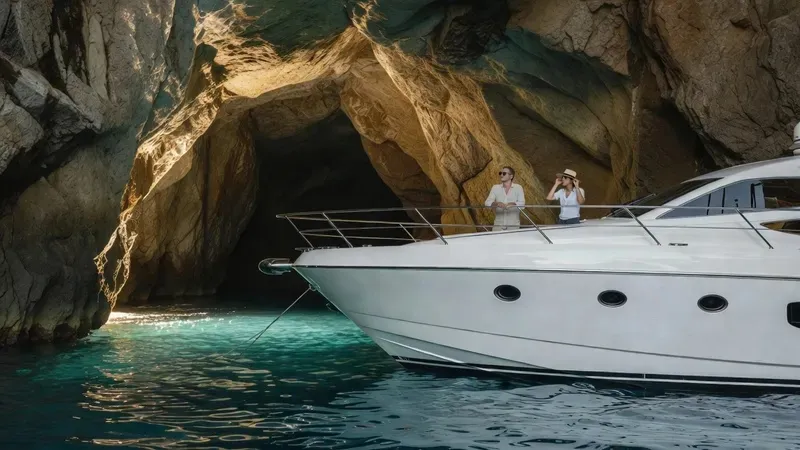
Amalfi: Lemon Tour & Limoncello Tasting at Historic Terraced Grove
2-hour walk through vertical family-owned lemon groves above Amalfi, concluding with artisan limoncello and organic lemon cake tasting on a shaded terrace.
Check AvailabilityPrices, ratings and details are the platform's own. Dollar figures are the listed prices. The platform bills in your account's currency.
Amalfi's Papermaking Heritage and the Canneto Stream
How maritime trade with the Arab world turned a secluded mountain gorge into a European paper-making powerhouse.
The Arabic Secret of Carta Bambagina
During the 12th and 13th centuries, Amalfi merchants trading across Constantinople, Syria, and Cairo acquired the Arab secret of producing paper from recycled textile fibers rather than animal parchment. The fast-flowing waters of the Canneto torrent tumbling down the steep gorge provided abundant hydraulic energy, turning the valley into a thriving industrial hub with dozens of competing paper mills (cartiere). The resulting paper, known as carta bambagina, was prized throughout Europe for its soft linen texture and longevity.
The Working 13th-Century Hydraulic Machinery
The Museo della Carta occupies the historic Milano paper mill, which operated continuously until November 1969 when severe flash flooding damaged the lower valley. Restored by the Milano family as a non-profit foundation, the mill preserves operational multi-ton wooden stamping mallets (magli), Hollander beater vats (pile olandesi), and iron screw presses powered by rushing mountain water.
Visiting the Mill with Children and Hands-on Workshops
Interactive experiences, workshop bookings, and valley hiking logistics.
Hands-on Papermaking Demonstrations
During the guided tour, visitors step up to a historic stone water vat to immerse a fine brass-wire screen, scoop up the cotton pulp slurry, and squeeze out the water using a manual screw press. In the extended workshop (€12.00), adults and children craft, press, and take home their own certified sheet of Amalfi paper stamped with the historical watermarked coat of arms.
Walking Up the Valle dei Mulini
The walk from Piazza Duomo to the museum takes 12 to 15 minutes along Via Lorenzo d'Amalfi and Via delle Cartiere. The paved pedestrian route climbs at a gentle incline past local delis and limoncello distilleries. Continuing past the museum entrance leads directly onto the mountain hiking trail into the Valle delle Ferriere nature reserve.
Location & Walking Route from Town Center
The museum sits at the entrance to the Valle dei Mulini, a straight 700-meter walk uphill from Piazza Duomo.
Nearby Attractions in Upper Amalfi
Continue walking past the museum to access mountain nature trails.
Valle delle Ferriere
A protected nature reserve with ancient ironworks ruins, mossy waterfalls, and rare prehistoric ferns located deeper up the canyon trail.
Direct trail continuation uphillDuomo di Amalfi
Amalfi's landmark Arab-Norman cathedral and Chiostro del Paradiso in the main piazza.
12 min walk down through pedestrian centerAmalfi Paper Mill Equipment & Exhibition Matrix
Historical machinery and operational artifacts on display at the 13th-century Museo della Carta in Valle dei Mulini.
| Machinery / Station | Historical Era | Original Function | Demonstration in Tour? | Visitor Highlights |
|---|---|---|---|---|
| Stone Hydraulic Beater Vat | 13th – 14th Century | Macerates linen, cotton & hemp rags with oak mallets | Yes (active water-driven demo) | Powered by original diverted stream water of the Canneto torrent. |
| Wire Mesh Forming Molds | 15th – 17th Century | Hand-lifting paper sheets with bronze watermarks | Yes (visitors can lift their own sheet) | Displays historic watermarks representing Amalfi merchant families. |
| Wooden Screw Platen Press | 18th Century | Extracts 60% of water from felt-layered paper stacks | Yes (hand-cranked demonstration) | Massive chestnut wood timber beams engineered for immense leverage. |
| Dutch Hollander Beaters | Introduced 1745 | Refined pulp beating using rotary blade cylinders | Exhibition display | Modernized Amalfi paper production during the Industrial Revolution. |
The 800-Year Tradition of Handmade Amalfi Paper (*Bambagina*)
Essential field-tested logistics, verified local guidance, and practical advice for Museo della Carta Amalfi: Hours, Tickets & Mill Tours.
How Amalfi Merchants Brought Paper-Making to Europe
Long before paper mills operated in northern Europe, Amalfi merchants encountered Arab papermakers in Cairo and Baghdad during 11th-century Mediterranean trade missions. Recognizing the revolutionary superiority of paper over expensive animal parchment (vellum), Amalfitans adapted the technology to their deep, water-rich valley.
The Canneto River flowing down the Valle dei Mulini provided immense hydraulic power to drive waterwheels and pure iron-free mountain spring water essential for white paper. The resulting paper—named Bambagina after the Italian word for cotton (bambagia)—was thick, velvety, and exceptionally durable. European popes and monarchies prized it for official decrees, and the Vatican still uses handmade Amalfi paper for papal correspondence today.
Walking into the Valle dei Mulini from Piazza Duomo
Reaching the Museo della Carta is an enjoyable, scenic walk into the historic industrial heart of Amalfi:
1. From Piazza Duomo, follow the main pedestrian avenue (Corso Lorenzo d’Amalfi) heading north inland away from the sea. 2. After 500 meters, tourist souvenir shops give way to quiet residential stone houses, artisan woodcarvers, and the rushing sounds of the Canneto mountain stream. 3. Continue straight onto Via delle Cartiere for another 400 meters. The walk is a gentle paved uphill incline (elevation gain of approximately 55 meters) suitable for walkers of all fitness levels. 4. Total walking time is 12 to 16 minutes from Piazza Duomo.
Hands-On Workshops & Buying Authentic Paper Gifts
Practical tips for visitors and paper enthusiasts:
- ✓ Live Demonstrations: Guided tours with live machinery demonstrations depart every 20 minutes in English and Italian. The paper master demonstrates dipping the deckle, pressing, and peeling a fresh sheet.
- ✓ Authentic Watermarked Stationery: The museum gift boutique sells certified handmade Amalfi paper stationery sets, sketchbooks, and calligraphic envelopes stamped with the ancient Amalfi Maltese cross watermark.
- ✓ Hands-On Workshop Upgrade: Visitors can book hands-on workshops where adults and children learn to make their own personalized sheet of cotton paper to take home.
The 800-Year Paper Tradition of Amalfi: Charta Bambagina
How Amalfi merchants learned Arabic paper-making and created Europe's most prestigious writing medium.
From Arabic Trade to European Innovation
During the 12th century, Amalfi traders active in Cairo, Damascus, and Baghdad acquired the closely guarded techniques of paper manufacture. Returning to their river valley, they harnessed the constant hydraulic power of the Canneto torrent to build Europe's earliest water-powered paper mills. Amalfi paper (known as charta bambagina) was manufactured not from wood pulp, but from macerated cotton, linen, and hemp rags, creating an exceptionally durable, velvety sheet with deckled edges that survived for centuries without yellowing.
The Working Machinery Demonstration
During the guided tour included with your €4.50 admission, docents activate authentic 13th-century water-driven oak mallets that rhythmically crush cloth fibers inside stone vats. Visitors watch master papermakers dip wire-mesh wooden molds into the vat, lift a wet sheet with traditional Amalfi watermarks, press out excess moisture on an ancient screw platen press, and hang the sheet to dry on wooden racks.
The Science and Craft of 13th-Century Handmade Paper
Essential field-tested logistics, verified local guidance, and practical advice for Museo della Carta Amalfi: Hours, Tickets & Mill Tours.
The 14-Step Traditional Manufacturing Process
Creating authentic Amalfi Carta Bambagina requires immense patience, master craftsmanship, and pure mountain water:
1. Rag Sorting: Linen, cotton, and hemp rags (stracci) were collected by traveling rag-merchants (stracciari) and sorted by color and fiber quality. 2. Hydraulic Pulping: Giant oak hammers driven by waterwheels smashed the wet rags in stone vats for up to 36 hours to separate raw cellulose fibers into a fine, creamy slurry. 3. Sheet Formation: A master papermaker dipped a rectangular wire-mesh sieve (forma) into the vat, using a rhythmic double-shake motion to interlock the cotton fibers evenly. 4. Watermarking: Thin brass wires shaped like the Amalfi coat of arms, eagles, or angel wings were stitched onto the mold mesh, creating thinner areas that appear translucent when held to the light. 5. Pressing & Drying: Wet sheets were layered between wool felts and compressed in giant wooden screw presses before being hung on horsehair ropes in open-air drying lofts.
Why European Monarchs Banned Exporting Amalfi Paper Technology
During the 13th and 14th centuries, the commercial value of Amalfi’s handmade paper was so extraordinary that Frederick II, Holy Roman Emperor and King of Sicily, issued imperial decrees strictly regulating paper mills. Fearing industrial espionage by rival Italian and French city-states, the Republic of Amalfi enacted laws punishing any papermaker who shared technical trade secrets or exported mill machinery outside the valley with exile or imprisonment.
Watermarks as Medieval Anti-Counterfeiting Currency
Essential field-tested logistics, verified local guidance, and practical advice for Museo della Carta Amalfi: Hours, Tickets & Mill Tours.
The Maltese Cross and Heraldic Watermarks of Amalfi
In medieval Europe, Amalfi Carta Bambagina was so respected that merchant bankers across Genoa, Florence, and Barcelona demanded it for commercial promissory notes and letters of credit. To prevent counterfeit documents, Amalfi guilds created proprietary watermark signatures sewn from fine brass wire onto the papermaking molds.
The iconic eight-pointed Amalfi Maltese cross, royal crowns, and heraldic eagles were visible only when sheets were held against daylight, serving as the world’s earliest anti-counterfeiting security features.
2026 Practical Field Guide: Timing, Payments & Local Etiquette for Museo Della Carta
Crucial on-the-ground operational rules, financial realities, and daily visitor protocols to ensure a smooth, rewarding experience at Museo Della Carta.
Optimal Visiting Windows & Peak Crowd Flow at Museo Della Carta
Experiencing Museo Della Carta without overwhelming crowds requires understanding the sharp contrast between day-tripper hours and resident rhythms. Tour buses from Naples and Sorrento arrive along the coastal highway between 10:00 and 10:30, releasing high passenger volumes into public plazas and popular landmarks until approximately 15:30. By contrast, the early morning hours between 07:30 and 09:30 offer tranquil streets, cool temperatures, and pristine photographic light where limestone cliffs glow gold.
During July and August, midday temperatures routinely climb above 34°C (93°F); taking a midday pause in shaded cafes or valley interiors between 12:30 and 15:00 protects you from heat exhaustion while allowing you to enjoy a second sightseeing wave after 16:30 when soft evening breezes (ponente) begin to blow.
Payment Realities, Local ATMs & Avoiding Conversion Surcharges
While European legislation mandates card acceptance for retail purchases, daily life on the Amalfi Coast frequently demands physical euro cash. Municipal public restrooms (€1.00 coin turnstiles), Tabacchi bus ticket counters, coin-operated beach rinse showers, and luggage porter tips operate exclusively on cash. When withdrawing funds, steer completely clear of standalone yellow-and-blue Euronet ATMs positioned near ferry docks and souvenir shops; these third-party terminals employ predatory Dynamic Currency Conversion (DCC) models that impose stealth markups of 11% to 14% on foreign exchange.
Always use official Italian bank branch ATMs (Bancomat) operated by established national institutions such as Intesa Sanpaolo or UniCredit located on main town squares. When prompted by card terminals during restaurant or shop checkouts, always select the option to be charged in local EUR rather than your home billing currency to let your domestic bank handle conversion at interbank exchange rates.
Public Facilities, Modesty Guidelines & Hydration Points
Navigating public spaces around Museo Della Carta requires adherence to civic regulations and cultural norms. Historical religious sanctuaries enforce strict modesty codes: shoulders and knees must be fully covered, and visitors wearing sleeveless tops, crop tops, or short beachwear are turned away at the threshold. Keep a lightweight linen scarf or cotton wrap accessible in your daypack to drape over your body before entering historic buildings.
Municipal bylaws also prohibit walking through town streets or commercial promenades shirtless or solely in swimwear, carrying fines up to €250. Clean municipal public restrooms are situated at primary transit terminals and harbor piers, staffed throughout the day for a €1.00 fee. For hydration, seek out municipal cast-iron drinking fountains (fontanelle) that continuously dispense cold, potable mountain spring water; carrying a reusable stainless steel flask eliminates the need to purchase single-use plastic bottles while ensuring you remain well-hydrated throughout the day.
Once the wrap and refillable flask are packed, browsing Amalfi walking tours helps you plan a comfortable route between the paper museum and the town's other historic sites.
Regional Transit Coordination & Terrain Navigation: Museo Della Carta
Strategic transport mechanics, luggage management, and topographic realities when exploring Museo Della Carta and adjacent coastal destinations.
Maritime Ferry Logistics & Sea Swell Contingencies
Maritime passenger catamarans operated by Travelmar, NLG, and Positano Jet represent the fastest, most reliable method for traveling between Amalfi and neighboring coastal towns, bypassing highway traffic jams completely. During the April-to-October operating season, passenger ferries run frequent scheduled departures connecting Amalfi to Positano, Capri, Salerno, Minori, and Maiori. Boarding occurs from Molo Pennello, where passengers should queue at least 15 minutes before the departure bell.
However, travelers must monitor maritime conditions: strong southwesterly winds and heavy sea swells (mare agitato) can lead harbor masters to suspend docking at exposed piers like Positano or Amalfi. In such events, transit automatically shifts to inland SITA regional buses, causing bus terminal queues to swell. Maintaining the official SITA bus schedule on your smartphone and booking morning ferry runs—when sea swells are typically lowest—provides reliable travel security.
Luggage Transfers, Porters & Vertical Staircase Realities
The sheer limestone topography of the Amalfi Coast means that reaching hotels, guesthouses, and scenic viewpoints involves ascending dozens or hundreds of steep stone steps (scale). Wheeled suitcases cannot be rolled across ancient irregular cobblestones or up steep stairways. Travelers arriving with full-sized luggage should utilize municipal luggage storage facilities at the port (€5.00 to €8.00 per piece) or coordinate private luggage porter services directly through their accommodation or harbor kiosks (€10.00 to €15.00 per bag).
Professional porters utilize specialized motorized stair-climbing hand trucks or carry bags up steep residential alleys, sparing travelers exhausting physical strain under direct coastal sun. Packing light in carry-on backpacks or compact duffels remains the single most effective way to navigate the vertical layout of coastal settlements.
Footwear Architecture, Heat Safety & Emergency Care Protocols
Walking distances around Museo Della Carta accumulate rapidly, often totaling 10,000 to 16,000 steps per day across uneven stone surfaces, steep inclines, and polished marble steps that become dangerously slick when wet. Smooth leather-soled shoes, flip-flops, and high heels present serious slipping hazards; visitors should wear supportive walking shoes, trail running shoes, or sturdy hiking sandals featuring aggressive rubber tread patterns. In case of unexpected medical emergencies, dial 112 (universal European emergency service) or 118 directly for ambulance dispatch.
The primary local emergency medical clinic (Pronto Soccorso) serving the central coast is located in nearby Castiglione di Ravello, equipped with bilingual medical staff, diagnostic equipment, and triage units. Local pharmacies (farmacie) in central squares rotate emergency night shifts and can dispense over-the-counter remedies for motion sickness, dehydration, and minor sprains.
Frequently Asked Questions about Museo della Carta
How far is the Paper Museum from Amalfi center?
The museum is about 700 meters from Piazza Duomo, an easy 12-to-15-minute walk along the pedestrianized Via Lorenzo d'Amalfi and Via delle Cartiere.
Are guided tours conducted in English?
Yes. Guided tours of the working watermills and paper-making machinery are offered regularly in English and Italian throughout the day.
How long does a visit to the Paper Museum take?
A standard guided visit takes approximately 45 minutes. Allow 60 to 75 minutes if participating in the hands-on papermaking workshop or shopping.
Can I buy authentic Amalfi paper at the museum?
Yes. The museum shop stocks artisanal deckle-edge wedding stationery, drawing paper, writing sets, and handmade books crafted by local master artisans.
Is the museum accessible for strollers and wheelchairs?
The ground floor exhibits are generally step-free, but navigating the historic stone water vats and mill channels involves some uneven flagstones and narrow thresholds.
What are the admission prices and hours for the Museo della Carta?
Admission is €4.50 for adults, €3.00 for children (6–12) and students with valid ID, and free for children under 5. It is open daily from 10:00 to 18:30 (summer) and 10:00 to 15:30 (winter, closed Mondays).
Can you continue hiking into the Valle delle Ferriere Nature Reserve from the Paper Museum?
Yes. Continuing past the Paper Museum along the stone pathway leads directly into the upper Valle dei Mulini and the trailhead for the Valle delle Ferriere nature reserve and waterfalls (an additional 45–60 minutes of uphill walking).
How do I get to the Museo della Carta from Piazza Duomo?
Walk northward through Piazza Duomo along the main shopping street (Via Lorenzo D'Amalfi / Via Pietro Capuano) for about 1.1 kilometers. The route follows a gentle, paved uphill gradient along the valley floor and takes approximately 12 to 15 minutes of easy walking.
Can you buy authentic handmade Amalfi paper at the museum?
Yes. The museum gift shop sells genuine handmade cotton-rag Amalfi paper stationery, watercolor sheets, journal notebooks, calligraphy envelopes, and customized wax seals crafted using traditional 14th-century techniques.
What is the best way to handle tipping at Museo Della Carta?
Tipping is not mandatory in Italy. Most sit-down establishments include a per-person cover charge (coperto) of €2.00 to €4.00 on the final bill for bread and table setting. Leaving 5% to 10% in cash for attentive service or rounding up the bill by a few euros is a generous and appreciated gesture, but it is never expected or demanded.
Can you use international credit cards everywhere near Museo Della Carta?
Visa and Mastercard are accepted at virtually all hotels, sit-down restaurants, boutiques, and ferry ticket windows. However, American Express is occasionally declined by small family-run trattorias. Always carry €40.00 to €60.00 in small euro banknotes for bus tickets, espresso bars, and public restrooms.
How do you check for scheduled transport strikes (sciopero) affecting Museo Della Carta?
Italian transit unions occasionally stage 24-hour general strikes (sciopero). By Italian law, minimum guaranteed service windows (fasce di garanzia) operate between 06:00–09:00 and 18:00–21:00. Check the official Ministry of Infrastructure and Transport (MIT) strike calendar online or ask your hotel reception 24 hours prior to long travel days.
Prices, hours and terms are set by the venue or operator and confirmed at checkout.
We may earn a commission if you book through one of our links, at no extra cost to you. Full affiliate disclosure