 Amalfi City Guide
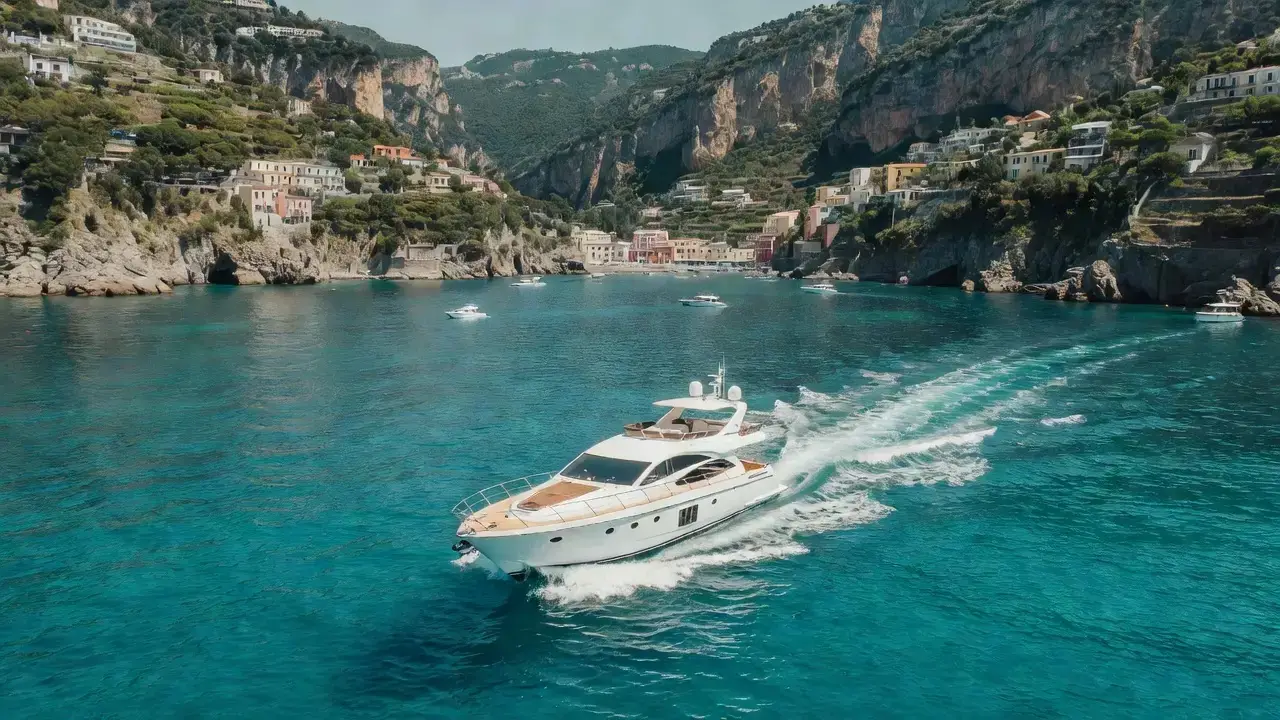
Things to Do in Amalfi: Attractions, Sights & Itineraries
The best things to do in amalfi center around its remarkable transformation from medieval maritime superpower to vertical Mediterranean haven. This comprehensive master guide covers the historic Cathedral complex, the operational medieval Paper Museum in the mill canyon, cascading waterfall hikes, boat charters, and beachfront lidos, each with official ticket costs and opening schedules. Transport logistics are detailed on our getting around guide, while excursions sit on the day trips hub and the best Amalfi tours page.
Quick answer Top attractions to see first and how to avoid crowds
Start early at the Duomo di Amalfi and Chiostro del Paradiso (€3.00), then walk 12 minutes up the valley to the Museo della Carta before crowds peak. Spend the afternoon swimming at Marina Grande or hiking into the Valle delle Ferriere.
Key takeaways
- The Duomo di Amalfi and Chiostro del Paradiso share a single €3 combined entry ticket purchased at the portico desk.
- Take an Amalfi historic walking tour with cathedral entrance to unlock the fascinating history of the maritime republic.
- Escape coastal heat by walking into the shaded canyon of Valle delle Ferriere where rare prehistoric ferns flourish around cold waterfalls.
Ranked Amalfi Attractions, Grouped by Character
Every landmark below includes official admission rates, verified opening hours, and walking times from Piazza Duomo.
Historic Core & Monuments
-
Duomo di Amalfi (Cattedrale di Sant'Andrea)
Cathedral from €3.0045 minbook-ahead tier 1 of 3
The 9th-century cathedral perched atop 62 monumental steps, featuring Arab-Norman striped pediments, Constantinople bronze doors, and the baroque crypt of the Apostle Saint Andrew. Modest dress required.
-
Chiostro del Paradiso (Cloister of Paradise)
Cloister from €3.0030 minbook-ahead tier 1 of 3
A 13th-century Arab-Norman cloister of intertwined white marble arches and palm courtyards built as a noble burial ground, accessed on the same €3 combined cathedral ticket.
-
Arsenale della Repubblica (Ancient Arsenals)
Maritime Museum from €3.0030 minbook-ahead tier 1 of 3
The sole surviving medieval shipyard in Southern Italy, where Amalfi's 100-oared galleys were constructed, now housing maritime history exhibits and the ancient Tavole Amalfitane navigation code.
-
Crypt of Saint Andrew & Diocesan Museum
Museum & Crypt from €3.0030 minbook-ahead tier 1 of 3
The gilded Baroque crypt holding the relics of Saint Andrew the Apostle brought from Constantinople in 1208, alongside the Basilica of the Crucifix housing early Christian reliquaries.
Canyon Mills, Nature & Mountain Trails
-
Museo della Carta (Paper Museum)
Museum from €4.5045 minbook-ahead tier 2 of 3
A functioning 13th-century paper mill powered by mountain waters, featuring live demonstrations of handmade cotton rag paper (carta bambagina) production using original drop-hammers.
-
Valle delle Ferriere Nature Reserve
Nature Trail Free / €53–4 hoursbook-ahead tier 1 of 3
A protected river gorge hike through mossy waterfalls and ruined medieval ironworks, home to giant Tertiary ferns (Woodwardia radicans) and refreshing mountain microclimates.
-
Path of the Lemons (Sentiero dei Limoni)
Scenic Trail Free1.5–2 hoursbook-ahead tier 1 of 3
An ancient cliffside mule track winding between Amalfi, Atrani, and Minori through terraced lemon groves cultivating the fragrant IGP Sfusato Amalfitano lemon.
-
Path of the Gods (Sentiero degli Dei)
Clifftop Trek Free / $554.5 hoursbook-ahead tier 2 of 3
World-famous high-altitude ridge trail traversing sheer limestone cliffs between Bomerano and Nocelle, delivering 180-degree panoramic views over the Amalfi Peninsula and Capri.
Coastline, Sea & Water Exploration
-
Spiaggia Marina Grande Beach & Port
Beach & Port Free / €252–4 hoursbook-ahead tier 2 of 3
Amalfi's lively main pebble shoreline featuring fully serviced lidos with sun loungers, designated free public swimming zones, and the central pier for passenger ferries.
-
Amalfi Coast Beaches & Secret Coves
Beach Directory Free / €20Half daybook-ahead tier 2 of 3
A curated guide to secluded coves including Duoglio, Santa Croce, and Castiglione, reached via cliffside stairs or local wooden gozzo sea shuttles departing Amalfi pier.
-
Amalfi Boat Rental & Private Charters
Boat Charter From €1803–8 hoursbook-ahead tier 2 of 3
Self-drive 40hp gozzo boat rentals (no nautical license required) and private skippered yacht charters navigating secret sea caves, Furore Fjord, and Positano.
-
Grotta dello Smeraldo (Emerald Grotto)
Sea Cave from €7.0045 minbook-ahead tier 1 of 3
A natural marine cavern bathed in brilliant emerald-green illumination filtered through an underwater fissure, explored on guided rowboat excursions.
Local Gastronomy & Village Culture
-
Amalfi Dining & Historic Trattorias
Culinary Guide from €18–€801.5–2 hoursbook-ahead tier 2 of 3
Authentic seafood dining across centuries-old trattorias, featuring fresh hand-rolled scialatielli pasta, pezzogna fish all'acqua pazza, and local coperto customs.
-
Amalfi Lemon Grove Walks & Food Tours
Food & Wine Tour From $422–3 hoursbook-ahead tier 2 of 3
Small-group guided walks through cliffside lemon orchards with artisan tastings of Delizia al Limone, fresh lemonade, organic honey, and ice-cold limoncello.
-
Historic Atrani Fishing Village Walk
Historic Village Free1–2 hoursbook-ahead tier 1 of 3
Italy's smallest municipality, located a scenic 15-minute walk through a pedestrian tunnel from Amalfi, boasting quiet piazzas, medieval arches, and an uncrowded beach.
Numbers match the list — tap a pin for the guide.
Piazza Duomo in Amalfi in morning light with the grand staircase leading to the Cathedral
Amalfi Sights Compared: Cost, Duration & Booking Rules
Compare essential Amalfi sights, historical landmarks, hiking trails, and seaside experiences side-by-side by admission cost, time investment, and booking requirements.
| Attraction / Activity | Category | Ticket / Cost | Time Needed | Key Booking Rule |
|---|---|---|---|---|
| Duomo di Amalfi & Cloister | Monument / Cathedral | €3.00 combined | 45–60 min | Walk-in ticket office at portico |
| Museo della Carta | Museum / Mill Heritage | €4.50–€7.00 | 45 min | Guided tour every 30–45 mins |
| Arsenale della Repubblica | Maritime Museum | €3.00 or event ticket | 30 min | Open daily 10:00–19:00 summer |
| Valle delle Ferriere | Nature Reserve & Hike | Free (€5 core reserve) | 3–4 hours | Core falls reserve closes at dusk |
| Marina Grande Beach | Lido & Public Beach | Free / €25–€45 lido | 2–4 hours | Reserve front-row loungers early |
| Amalfi Boat Rental / Tour | Coastline Excursion | From €75 / $82.50 | 2–4 hours | Book 48h ahead in peak season |
| Path of the Lemons | Panoramic Coastal Walk | Free access | 1.5–2 hours | Free trail; lemons harvested summer |
| Grotta dello Smeraldo | Sea Cave / Karst Grotto | €7.00 rowboat ticket | 45 min (plus transit) | Board boat from Amalfi pier |
| Path of the Gods | Mountain Ridge Trek | Free access / $55 tour | 4.5 hours | Take morning SITA bus to Bomerano |
| Atrani Village Exploration | Historic Fishing Hamlet | Free access | 1–2 hours | Walk pedestrian tunnel in 15 min |
How to Plan Your Time in Amalfi: 1-Day, 2-Day & 3-Day Frameworks
Whether you are visiting on a fast day trip or basing yourself here for three nights, structuring your hours around the ferry rush and midday heat is essential.
The 1-Day Master Plan: Avoiding the Midday Tour Wave
If you have only one day, arrive on the 08:30 or 09:00 ferry before day-tripper buses congest the harbor roundabout. Head immediately to Piazza Duomo to climb the 62 steps of the Duomo di Amalfi and stroll the quiet courtyards of the Chiostro del Paradiso (€3.00 combined ticket). By 10:30, walk 12 minutes up Via delle Cartiere into the cooler shade of the valley to tour the Museo della Carta.
Enjoy an unhurried lunch of scialatielli pasta at a side-alley trattoria, spend the early afternoon browsing ceramic workshops or taking a 45-minute boat shuttle to Grotta dello Smeraldo, and conclude with sunset drinks on Piazza Duomo.
The 2-Day Cadence: Diving into Nature and Neighboring Atrani
With two days, dedicate your first morning to the historic core, maritime arsenals, and an afternoon coastal boat cruise to Positano. On day two, lace up trail shoes for a morning hike into the lush Valle delle Ferriere, listening to rushing waterfalls and exploring ruined medieval iron forges. Return to town for a late seafood lunch on the harbor pier.
In the late afternoon, take the 15-minute scenic stroll through the pedestrian tunnel into quiet Atrani, where you can swim at a far less crowded beach and dine under whitewashed stone arches at Le Arcate.
The 3-Day Regional Hub: Capri, Cliff Trails & Ravello
Three days lets you use Amalfi as your central strategic transit base. Spend Day 1 exploring Amalfi's own monuments, paper mills, and beach coves. Reserve Day 2 for an all-day offshore boat cruise to Capri island or a high-altitude hike along the Path of the Gods starting from Bomerano.
On Day 3, take the 25-minute morning bus or panoramic mountain stair climb up to aristocratic Ravello to tour Villa Rufolo and the clifftop gardens of Villa Cimbrone, returning to Amalfi in the evening for a celebratory dinner at Da Gemma.
Exploring Amalfi's Historic Core: Duomo, Arsenale & Secret Alleyways
Amalfi was Italy's first maritime republic, rivaling Venice, Genoa, and Pisa with an empire stretching to Constantinople, Antioch, and Cairo.
Duomo di Sant'Andrea & Arab-Norman Splendor
The monumental Cathedral complex dominates Piazza Duomo. Ascending the 62 steep stone steps brings you to the portico, which frames the cathedral's striking striped polychrome facade, re-created in 1891 in Arab-Norman style. The massive central bronze doors were cast in Constantinople before 1066, representing the oldest post-Roman bronze portals in Italy.
Inside, the Basilica of the Crucifix dates back to 596 AD, leading down to the Baroque crypt containing the sacred relics of Saint Andrew the Apostle, brought from Constantinople in 1208 after the Fourth Crusade. Adjacent sits the Chiostro del Paradiso, built between 1266 and 1268 with delicate intertwined white marble arches as a cemetery for Amalfi's patrician families.
Arsenale della Repubblica: Where the War Galleys Were Built
Located just behind Piazza Flavio Gioia, the Arsenale della Repubblica is the only surviving high-medieval shipyard in Southern Italy. Its dramatic pointed stone barrel vaults and double-aisled nave witnessed the construction of Amalfi's legendary 100-oared warships (galere amalfintane), which dominated Mediterranean trade lanes from Egypt to Byzantium. Today, the museum showcases ancient navigational instruments, models of medieval ships, and copies of the Tavole Amalfitane (Amalphitan Code)—the maritime code formulated here that regulated seafaring laws, sailor welfare, and shipowner liability across the Mediterranean for more than five centuries.
Navigating the Supportici: The Medieval Defensive Labyrinth
Beyond the main pedestrian thoroughfare of Via Lorenzo d'Amalfi lies a labyrinth of vaulted tunnels and arched passageways known locally as supportici. In the 10th and 11th centuries, these labyrinthine corridors were deliberately designed with sharp right angles, dead ends, and low ceilings to disorient and trap Saracen raiders who breached the coastal walls. Exploring corridors such as Supportico Sant'Andrea reveals hidden residential courtyards where locals hang laundry lines beneath bougainvillea, stone staircases cling to rock faces, and ancient public washbasins (lavatoi) still flow with mountain spring water.
Valle dei Mulini & Valle delle Ferriere: The Green Heart of Amalfi
Walking inland from the seafront pier leads directly into a steep mountain canyon that supplied waterpower for Amalfi's paper mills and iron forges.
Museo della Carta & the Art of Carta Bambagina
Amalfi was one of the first European cities to master paper manufacturing, acquiring the secret from Arab merchants in the 12th century. The fast-flowing Canneto river powered up to 16 active paper mills in the valley by the 13th century. At the Museo della Carta, located in a restored 13th-century mill on Via delle Cartiere, visitors can watch original wooden drop-hammers and hydraulic waterwheels crush cotton, hemp, and linen rags into pulp.
The museum offers 45-minute guided tours where master papermakers demonstrate dipping fine wire sieves to produce authentic carta bambagina—luxurious cotton paper still sought after by European artists and the Vatican.
Hiking the Valle delle Ferriere Nature Reserve
Continuing past the Paper Museum up the Canneto gorge brings you into the protected Valle delle Ferriere nature reserve. Towering vertical limestone walls shield the canyon floor from maritime winds, creating a high-humidity microclimate with constant temperatures. This unique environment has preserved rare Tertiary relic plants, most notably Woodwardia radicans, a giant prehistoric fern that survived the Pleistocene glaciations, and Pinguicula hirtiflora, a small carnivorous plant growing on wet mossy limestone cliffs.
The hike winds past moss-covered stone ruins of medieval iron forges, natural swimming pools, and gushing cold waterfalls.
Path of the Lemons: The Fragrant Trail to Minori
For walkers seeking coastal panoramas without grueling altitude gain, the Path of the Lemons is an ancient stone mule trail connecting Amalfi and Atrani with the neighboring town of Minori. The trail ascends past terraced hillside orchards cultivated on steep dry-stone terraces (macerine). Giant yellow Sfusato Amalfitano lemons hang from chestnut-wood pergolas, perfuming the air from April through August.
The trail offers dramatic vantage points over the sapphire sea and passes small farmsteads where local growers sell chilled fresh lemonade and homemade lemon granita straight from their orchard gates.
On the Water: Beaches, Boat Charters & Hidden Grottos
Seen from the sea, Amalfi's dramatic vertical topography reveals towering cliffs, hidden sea caverns, and secluded pebble coves inaccessible by road.
Spiaggia Marina Grande & Secluded Cliffside Coves
The central shoreline at Marina Grande is the bustling social hub of town, divided between private beach clubs offering sun lounger rentals (€25.00–€45.00 per set) and free public beach sections (spiaggia libera). If you prefer quieter waters and dramatic scenery, walk down to the western pier and hop aboard one of the small wooden shuttle boats (€5.00 return) that run continuously to Duoglio Beach and Santa Croce. Sheltered beneath colossal 100-meter cliffs, these pebble beaches feature crystalline turquoise water, excellent snorkeling around submerged boulders, and rustic cliffside seafood taverns.
Renting a Boat or Joining Small-Group Coastal Cruises
To truly appreciate the dramatic verticality of the coast, take to the water. At Amalfi harbor, licensed boat rental operators offer self-drive 40hp gozzo boats that anyone over 18 can pilot without a nautical license (€180.00–€280.00 per day plus fuel). Alternatively, join a small-group boat cruise to Positano or an all-day excursion around Capri island.
Cruising westward lets you swim in the secluded cove of Fiordo di Furore beneath its 30-meter stone bridge, drift past Sophia Loren's historic cliff villa in Conca dei Marini, and snorkel around the mythical islands of Li Galli.
Grotta dello Smeraldo: The Luminous Sea Cavern
Located just 4 kilometers west of Amalfi in Conca dei Marini, the Grotta dello Smeraldo (Emerald Grotto) is a natural marine cavern discovered by a local fisherman in 1932. Unlike Capri's Blue Grotto, which requires squeezing through a tiny sea portal, the Emerald Grotto can be reached by elevator and staircase from the coastal highway (SS163) or directly by excursion boat from Amalfi harbor (€10.00–€15.00 return boat ticket). Inside, sunlight enters through a deep submerged opening 10 meters below the surface, filtering through water to illuminate the soaring 24-meter cavern ceiling in an intense, otherworldly emerald green hue.
Amalfi Culinary & Cultural Traditions: Lemons, Pastries & Ceramics
Beyond monuments, experiencing Amalfi means indulging in centuries-old gastronomic habits, local lemon harvests, and artisanal ceramics.
The Cult of the Sfusato Amalfitano Lemon
The IGP Sfusato Amalfitano lemon is the botanical emblem of Amalfi. Brought to the coast from the Middle East during the maritime republic era, this unique citrus fruit developed a tapered shape, an exceptionally thick and fragrant peel loaded with essential oils, and juice with low acidity. Locals eat it sliced fresh with olive oil and mint, grate the zest into handmade pasta dough, and infuse the peel in 96-degree alcohol to craft genuine artisanal limoncello.
Taking a lemon grove walking tour through the vertical terraces of the valley offers hands-on insight into traditional hillside farming techniques handed down over centuries.
Historic Cafés & Legendary Pastries on Piazza Duomo
Amalfi's café culture is centered on Piazza Duomo, where Pasticceria Pansa has operated in the same family since 1830 under the shadow of the cathedral staircase. Historic visitors including Henrik Ibsen and Richard Wagner frequented this marble-countered institution. Order a cup of rich espresso alongside a Delizia al Limone (delicate sponge cake dome filled with lemon custard and draped in limoncello glaze) or a crisp Sfogliatella Santa Rosa (puff pastry filled with sweet ricotta, semolina, and candied fruit, crowned with black cherries).
In the afternoon, sit outside on the piazza for a refreshing glass of icy lemon granita.
Artisanal Vietri Ceramics & Custom Handmade Leather Sandals
Strolling up Via Lorenzo d'Amalfi and Via Mercanti reveals Amalfi's lively artisan heritage. Local bottegas display colorful hand-painted ceramics produced in neighboring Vietri sul Mare, featuring traditional fish motifs, lively yellow lemon garlands, and intricate geometric Moorish patterns. Amalfi is also famed for bespoke leather sandals: skilled cobblers measure your feet on the spot and craft custom-fitted sandals adorned with leather straps, metallic buckles, and Swarovski crystals in under 30 minutes, carrying on a craft popularized by Jackie Kennedy and Brigitte Bardot in the 1960s.
Practical Tips for Visiting Amalfi: Timing, Dress Codes & Footwear
Navigating Amalfi seamlessly requires practical foresight regarding terrain, seasonal crowds, and religious modesty rules.
Cathedral Dress Code & Religious Etiquette
The Duomo di Amalfi and Chiostro del Paradiso are active consecrated Catholic holy sites. Modest attire is strictly enforced at the ticket turnstile: shoulders and knees must be fully covered for both women and men. Sleeveless tank tops, plunging necklines, bare midriffs, and short shorts are prohibited.
If you are caught unprepared on a warm summer day, entrance attendants sell lightweight disposable paper shawls for €1.50 at the cash desk. Photography is permitted without flash, but respectful quiet is requested throughout the crypt and central nave.
Stairs, Terrain & Essential Footwear
Amalfi is a vertical town carved into cliff faces. Visiting almost any major sight requires climbing numerous steep stone steps: 62 steps to the Cathedral, 80+ steps through residential alleys, and hundreds of steps on the walking paths to Atrani or the Paper Museum. Leave high heels, thin dress sandals, and smooth flip-flops in your hotel room.
Sturdy walking sneakers or supportive walking sandals with non-slip rubber soles are essential to maintain sure footing on polished limestone paving stones, which can be surprisingly slick even when dry.
Beating Peak Crowds & Luggage Storage Logistics
Daily tourist congestion peaks between 11:00 and 15:30, when tour buses and day ferries drop thousands of visitors into Piazza Flavio Gioia. To enjoy Amalfi at its best, explore the Duomo and main piazzas before 10:00 or after 17:00, when cruise crowds depart and the town returns to a relaxed Italian rhythm. If arriving before hotel check-in or departing after checkout, secure luggage storage facilities operate near the SITA bus terminal and ferry dock on Piazza Flavio Gioia, charging approximately €5.00–€8.00 per bag.
Amalfi Highlights Map
Key attractions mapped from the seafront up into the mountain canyon.
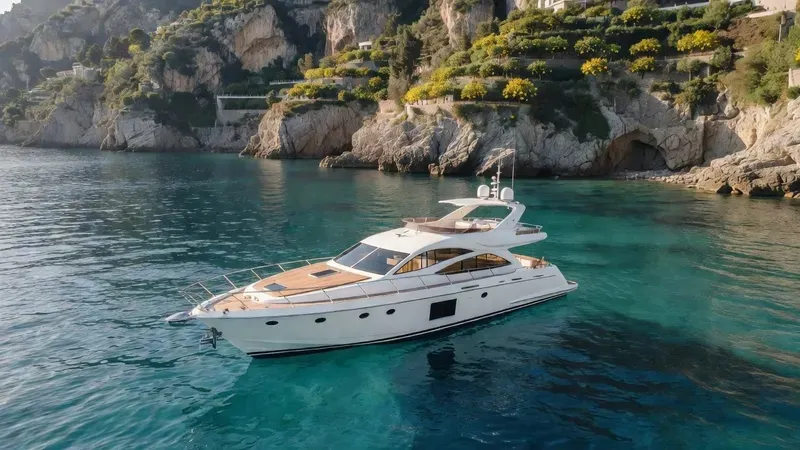 from $38.50
Amalfi: Guided Walking Tour with Cathedral & Cloister Visit
2-hour historical walking tour through Amalfi's medieval lanes with ticket and licensed guide into Duomo di Sant'Andrea and the Chiostro del Paradiso.
Check Availability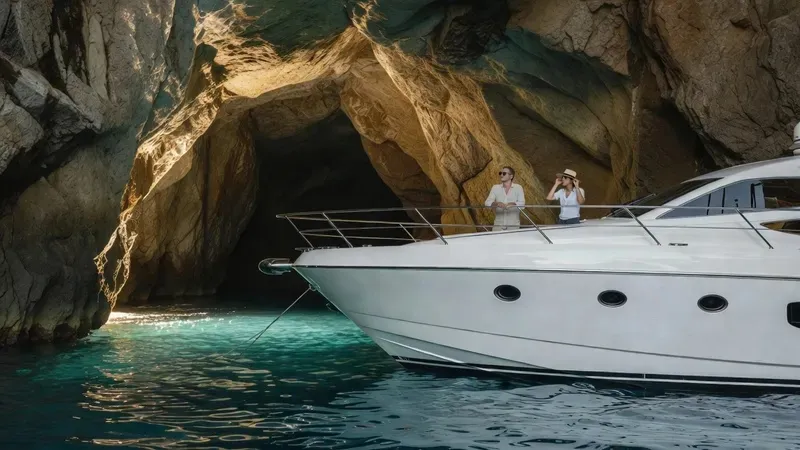 from $42.00
Amalfi: Lemon Tour & Limoncello Tasting at Historic Terraced Grove
2-hour walk through vertical family-owned lemon groves above Amalfi, concluding with artisan limoncello and organic lemon cake tasting on a shaded terrace.
Check Availability from $75.00
Amalfi to Positano & Emerald Grotto: Coastal Boat Cruise with Swimming
4-hour small-group boat cruise from Amalfi Molo Pennello past Furore Fjord to Positano with swim stops, snorkeling masks, and chilled prosecco.
Check Availability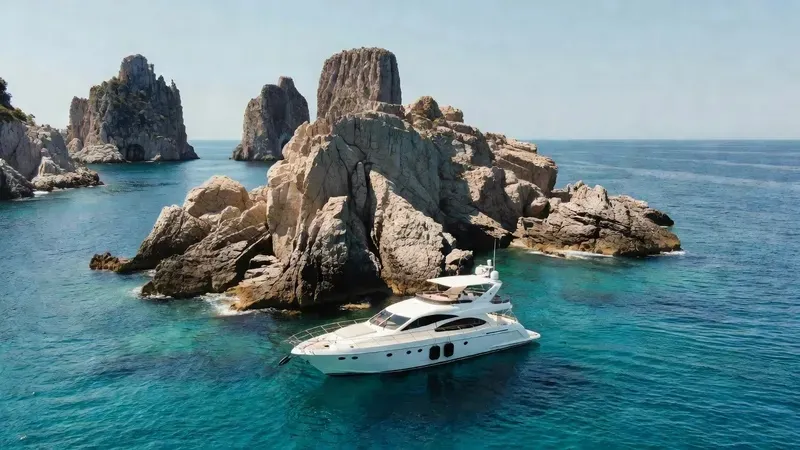 from $129.00
Full-Day Capri Island Cruise & Blue Grotto from Amalfi
Full-day small-group cruise from Amalfi around Capri island: Faraglioni, White & Green Grottoes, swim stops, and 4 hours of free time on the island.
Check Availability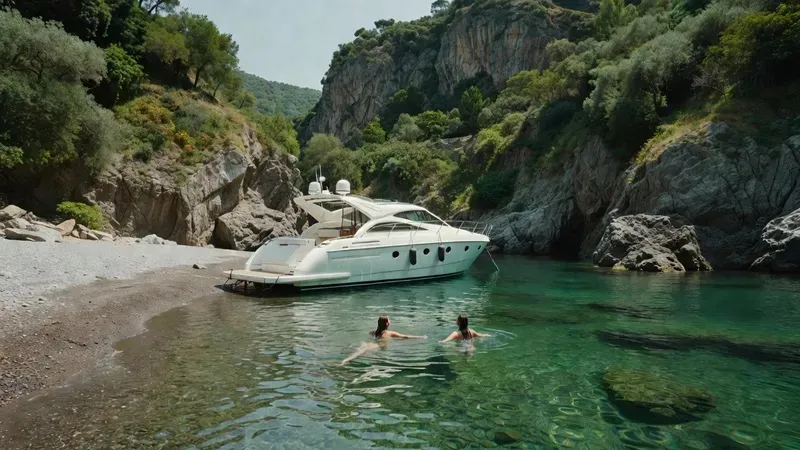 from $55.00
Path of the Gods (Sentiero degli Dei) Guided Cliffside Trek
4.5-hour guided hike along the world-famous cliff path from Bomerano to Nocelle with certified alpine guide, walking poles, and shepherd snack stop.
Check AvailabilityPrices, ratings and details are the platform's own. Dollar figures are the listed prices. The platform bills in your account's currency.
Essential Planning Guides
Prepare your logistics before arriving in Amalfi.
Tickets & Tours Hub
Comprehensive price comparison for cathedral entries, boat charters, and excursions.
Ticket directoryFerry Guide
Complete timetable and pricing guide for ferries to Positano, Capri, and Salerno.
Transport guideWhere to Eat in Amalfi
Authentic seafood trattorias, pasta specialties, coperto rules, and pastry shops.
Dining guideWhere to Stay in Amalfi
Best town districts, clifftop boutique hotels, and harborfront accommodation compared.
Hotel guideAmalfi Coast Major Sights: Time Required & Peak Crowd Hours
Strategic overview of time investment and peak visiting hours for Amalfi’s top attractions.
| Attraction | Recommended Duration | Peak Crowd Hours | Quiet Window | Key Insider Tip |
|---|---|---|---|---|
| Amalfi Cathedral & Cloister | 60 – 75 minutes | 10:30 – 14:00 | 09:00 – 10:00, 17:00 – 18:30 | Do not miss the Crypt of St. Andrew beneath the high altar. |
| Museo della Carta | 45 – 60 minutes | 11:00 – 14:30 | 09:30 – 10:30, 16:00 – 17:30 | The live handmade cotton rag paper demo is included with standard entry. |
| Valle delle Ferriere Hike | 3.5 – 5 hours | 11:00 – 15:00 | 08:30 – 10:30 | Carry €5.00 cash for entry into the inner botanical reserve waterfall. |
| Path of the Gods (Bomerano) | 4 – 4.5 hours | 10:00 – 14:00 | 08:00 – 09:30 | Start in Bomerano and walk towards Nocelle for downhill views facing Capri. |
| Villa Rufolo & Cimbrone (Ravello) | 3 – 4 hours (both) | 11:30 – 15:30 | 09:00 – 10:30, 16:30 – 18:30 | Take the SITA bus up to Ravello before 09:00 to beat tour coach gridlock. |
Strategic Advice for Experiencing Amalfi Attractions
Essential field-tested logistics, verified local guidance, and practical advice for Things to Do in Amalfi: Sights, Ranked & Map.
Beating the Cruise & Excursion Coach Rush
Amalfi receives heavy influxes of excursion coach passengers arriving from Naples, Sorrento, and Salerno between 10:30 and 15:30. During these peak hours, Piazza Duomo and the central market street experience dense crowding.
To experience Amalfi at its most magical, divide your sightseeing into two daily phases: dedicate 08:30 to 10:30 to major historic landmarks like the Duomo and Chiostro del Paradiso, retreat to the shaded Valle dei Mulini or embark on a ferry excursion during the crowded midday hours, and return to town for the Paper Museum and coastal promenades after 16:30 when day trippers depart.
Footwear & Stair Realities Across Amalfi Attractions
Amalfi is built on vertical limestone. Over the course of a single day exploring historic landmarks, you will ascend and descend hundreds of stone steps. The monumental staircase of the Duomo alone counts 62 steep marble steps, while reaching hillside viewpoints requires hundreds more.
Smooth leather dress shoes, high heels, and slippery flip-flops cause frequent sprains on polished, worn cobblestones. Sturdy sneakers or supportive walking sandals with rubber grip soles are indispensable.
Ranked Amalfi Sights: How to Balance History, Nature & Sea
A curated ranking of Amalfi's defining landmarks and experiences to help you structure your daily sightseeing.
Tier 1 Non-Negotiable Cultural Landmarks
The Monumental Complex of St. Andrew (encompassing the 13th-century Chiostro del Paradiso, Diocesan Museum, Baroque Crypt, and Cathedral) stands as the architectural masterwork of the Amalfi Coast. Directly beside the port, the 11th-century Arsenale della Repubblica showcases the maritime engineering that built Amalfi's medieval naval empire. Both sights take under two hours combined and establish the historical context of the town.
Tier 2 Mountain Nature & Industrial Heritage
Walk 15 minutes northward into Valle dei Mulini to visit the Museo della Carta, where live demonstrations show how handmade cotton-rag paper (charta bambagina) was crafted using hydraulic water power. Beyond the museum, the trail ascends into the Valle delle Ferriere nature reserve, an ancient microclimate filled with moss-covered waterfalls and prehistoric giant fern colonies.
Tier 3 Coastal Panoramas & Sea Excursions
Take a 20-minute Travelmar ferry to Positano for world-famous cliffside views from the water, or board a small boat to the emerald waters of Grotta dello Smeraldo in Conca dei Marini. Active hikers should prioritize the Path of the Gods (Sentiero degli Dei) from Bomerano, enjoying 180-degree clifftop views across the entire Sorrento peninsula and Capri.
2026 Practical Field Guide: Timing, Payments & Local Etiquette for Things To Do
Crucial on-the-ground operational rules, financial realities, and daily visitor protocols to ensure a smooth, rewarding experience at Things To Do.
Optimal Visiting Windows & Peak Crowd Flow at Things To Do
Experiencing Things To Do without overwhelming crowds requires understanding the sharp contrast between day-tripper hours and resident rhythms. Tour buses from Naples and Sorrento arrive along the coastal highway between 10:00 and 10:30, releasing high passenger volumes into public plazas and popular landmarks until approximately 15:30. By contrast, the early morning hours between 07:30 and 09:30 offer tranquil streets, cool temperatures, and pristine photographic light where limestone cliffs glow gold.
During July and August, midday temperatures routinely climb above 34°C (93°F); taking a midday pause in shaded cafes or valley interiors between 12:30 and 15:00 protects you from heat exhaustion while allowing you to enjoy a second sightseeing wave after 16:30 when soft evening breezes (ponente) begin to blow.
Payment Realities, Local ATMs & Avoiding Conversion Surcharges
While European legislation mandates card acceptance for retail purchases, daily life on the Amalfi Coast frequently demands physical euro cash. Municipal public restrooms (€1.00 coin turnstiles), Tabacchi bus ticket counters, coin-operated beach rinse showers, and luggage porter tips operate exclusively on cash. When withdrawing funds, steer completely clear of standalone yellow-and-blue Euronet ATMs positioned near ferry docks and souvenir shops; these third-party terminals employ predatory Dynamic Currency Conversion (DCC) models that impose stealth markups of 11% to 14% on foreign exchange.
Always use official Italian bank branch ATMs (Bancomat) operated by established national institutions such as Intesa Sanpaolo or UniCredit located on main town squares. When prompted by card terminals during restaurant or shop checkouts, always select the option to be charged in local EUR rather than your home billing currency to let your domestic bank handle conversion at interbank exchange rates.
Public Facilities, Modesty Guidelines & Hydration Points
Navigating public spaces around Things To Do requires adherence to civic regulations and cultural norms. Historical religious sanctuaries enforce strict modesty codes: shoulders and knees must be fully covered, and visitors wearing sleeveless tops, crop tops, or short beachwear are turned away at the threshold. Keep a lightweight linen scarf or cotton wrap accessible in your daypack to drape over your body before entering historic buildings.
Municipal bylaws also prohibit walking through town streets or commercial promenades shirtless or solely in swimwear, carrying fines up to €250. Clean municipal public restrooms are situated at primary transit terminals and harbor piers, staffed throughout the day for a €1.00 fee. For hydration, seek out municipal cast-iron drinking fountains (fontanelle) that continuously dispense cold, potable mountain spring water; carrying a reusable stainless steel flask eliminates the need to purchase single-use plastic bottles while ensuring you remain well-hydrated throughout the day.
Regional Transit Coordination & Terrain Navigation: Things To Do
Strategic transport mechanics, luggage management, and topographic realities when exploring Things To Do and adjacent coastal destinations.
Maritime Ferry Logistics & Sea Swell Contingencies
Maritime passenger catamarans operated by Travelmar, NLG, and Positano Jet represent the fastest, most reliable method for traveling between Amalfi and neighboring coastal towns, bypassing highway traffic jams completely. During the April-to-October operating season, passenger ferries run frequent scheduled departures connecting Amalfi to Positano, Capri, Salerno, Minori, and Maiori. Boarding occurs from Molo Pennello, where passengers should queue at least 15 minutes before the departure bell.
However, travelers must monitor maritime conditions: strong southwesterly winds and heavy sea swells (mare agitato) can lead harbor masters to suspend docking at exposed piers like Positano or Amalfi. In such events, transit automatically shifts to inland SITA regional buses, causing bus terminal queues to swell. Maintaining the official SITA bus schedule on your smartphone and booking morning ferry runs—when sea swells are typically lowest—provides reliable travel security.
Luggage Transfers, Porters & Vertical Staircase Realities
The sheer limestone topography of the Amalfi Coast means that reaching hotels, guesthouses, and scenic viewpoints involves ascending dozens or hundreds of steep stone steps (scale). Wheeled suitcases cannot be rolled across ancient irregular cobblestones or up steep stairways. Travelers arriving with full-sized luggage should utilize municipal luggage storage facilities at the port (€5.00 to €8.00 per piece) or coordinate private luggage porter services directly through their accommodation or harbor kiosks (€10.00 to €15.00 per bag).
Professional porters utilize specialized motorized stair-climbing hand trucks or carry bags up steep residential alleys, sparing travelers exhausting physical strain under direct coastal sun. Packing light in carry-on backpacks or compact duffels remains the single most effective way to navigate the vertical layout of coastal settlements.
Footwear Architecture, Heat Safety & Emergency Care Protocols
Walking distances around Things To Do accumulate rapidly, often totaling 10,000 to 16,000 steps per day across uneven stone surfaces, steep inclines, and polished marble steps that become dangerously slick when wet. Smooth leather-soled shoes, flip-flops, and high heels present serious slipping hazards; visitors should wear supportive walking shoes, trail running shoes, or sturdy hiking sandals featuring aggressive rubber tread patterns. In case of unexpected medical emergencies, dial 112 (universal European emergency service) or 118 directly for ambulance dispatch.
The primary local emergency medical clinic (Pronto Soccorso) serving the central coast is located in nearby Castiglione di Ravello, equipped with bilingual medical staff, diagnostic equipment, and triage units. Local pharmacies (farmacie) in central squares rotate emergency night shifts and can dispense over-the-counter remedies for motion sickness, dehydration, and minor sprains.
Frequently Asked Questions about Things to Do in Amalfi
What is the number one thing to do in Amalfi?
Visiting the Duomo di Amalfi (Cattedrale di Sant'Andrea) and its 13th-century Arab-Norman Chiostro del Paradiso is universally considered the top must-see cultural attraction, featuring 62 marble steps, 11th-century Byzantine bronze doors, and the sacred crypt of Saint Andrew.
How much time do you need to see Amalfi?
One full day allows you to tour the Cathedral complex, visit the Paper Museum in Valle dei Mulini, and enjoy lunch and beach time. Staying two to three days provides time for boat trips to Positano and Capri, hiking Valle delle Ferriere, and visiting nearby Ravello.
Are there free attractions and activities in Amalfi?
Yes. Free activities include strolling the medieval vaulted alleys (supportici), walking the scenic pier for harbor views, swimming at free public beach sections at Marina Grande, hiking through Valle delle Ferriere up to the reserve gate, and walking the Path of the Lemons to Atrani and Minori.
Is Amalfi walkable or do you need a car?
Amalfi is completely walkable and strictly pedestrianized in its historic center. Walking from the seafront pier to the Paper Museum takes only 12 minutes. Driving and parking in Amalfi are expensive and heavily restricted by ZTL zones; public ferries and SITA buses are far preferable.
What can you do in Amalfi on a rainy day?
On rainy days, tour the covered interior and museum of the Duomo di Amalfi, explore the indoor working watermills of the Museo della Carta, visit the medieval Arsenale della Repubblica, or book an indoor cooking class and limoncello tasting.
How do you reach the Emerald Grotto from Amalfi?
The Grotta dello Smeraldo in Conca dei Marini is reached either by local excursion shuttle boats departing directly from Amalfi pier (€10.00–€15.00 return boat ride) or by taking the SITA bus towards Positano/Sorrento and descending by elevator from the highway.
Can you walk to neighboring coastal villages from Amalfi?
Yes. You can walk to neighboring Atrani in approximately 15 minutes. The easiest and safest route is via the lit pedestrian tunnel connecting the two coastal towns, avoiding narrow highway road traffic. Alternatively, take the scenic stairway path climbing behind the Luna Convento hotel.
Which Amalfi Coast attractions require advance reservations?
Major historic monuments in Amalfi town (Duomo, Paper Museum, Arsenal) do not require advance reservations and operate walk-up ticket kiosks. Advance bookings are recommended for Villa Rufolo during summer evening concert performances and for passenger ferries to Capri.
What attractions are open year-round in Amalfi?
The Duomo di Amalfi and its crypt remain open daily year-round for worship and tourist visits (with reduced winter hours). The Paper Museum operates year-round with slightly adjusted schedules. Villa Rufolo and Villa Cimbrone in Ravello remain open daily throughout the winter.
What can you do for free in Amalfi?
You can stroll the historic harbor pier on Molo Pennello for panoramic town views, walk through the illuminated mountain tunnel into peaceful Atrani, hike the lower section of Valle dei Mulini past medieval ruins, sit on the cathedral steps during evening passeggiata, and swim at the free public beach section.
What is the best way to handle tipping at Things To Do?
Tipping is not mandatory in Italy. Most sit-down establishments include a per-person cover charge (coperto) of €2.00 to €4.00 on the final bill for bread and table setting. Leaving 5% to 10% in cash for attentive service or rounding up the bill by a few euros is a generous and appreciated gesture, but it is never expected or demanded.
Can you use international credit cards everywhere near Things To Do?
Visa and Mastercard are accepted at virtually all hotels, sit-down restaurants, boutiques, and ferry ticket windows. However, American Express is occasionally declined by small family-run trattorias. Always carry €40.00 to €60.00 in small euro banknotes for bus tickets, espresso bars, and public restrooms.
How do you check for scheduled transport strikes (sciopero) affecting Things To Do?
Italian transit unions occasionally stage 24-hour general strikes (sciopero). By Italian law, minimum guaranteed service windows (fasce di garanzia) operate between 06:00–09:00 and 18:00–21:00. Check the official Ministry of Infrastructure and Transport (MIT) strike calendar online or ask your hotel reception 24 hours prior to long travel days.
Prices, hours and terms are set by the venue or operator and confirmed at checkout.
We may earn a commission if you book through one of our links, at no extra cost to you. Full affiliate disclosure