 Amalfi City Guide
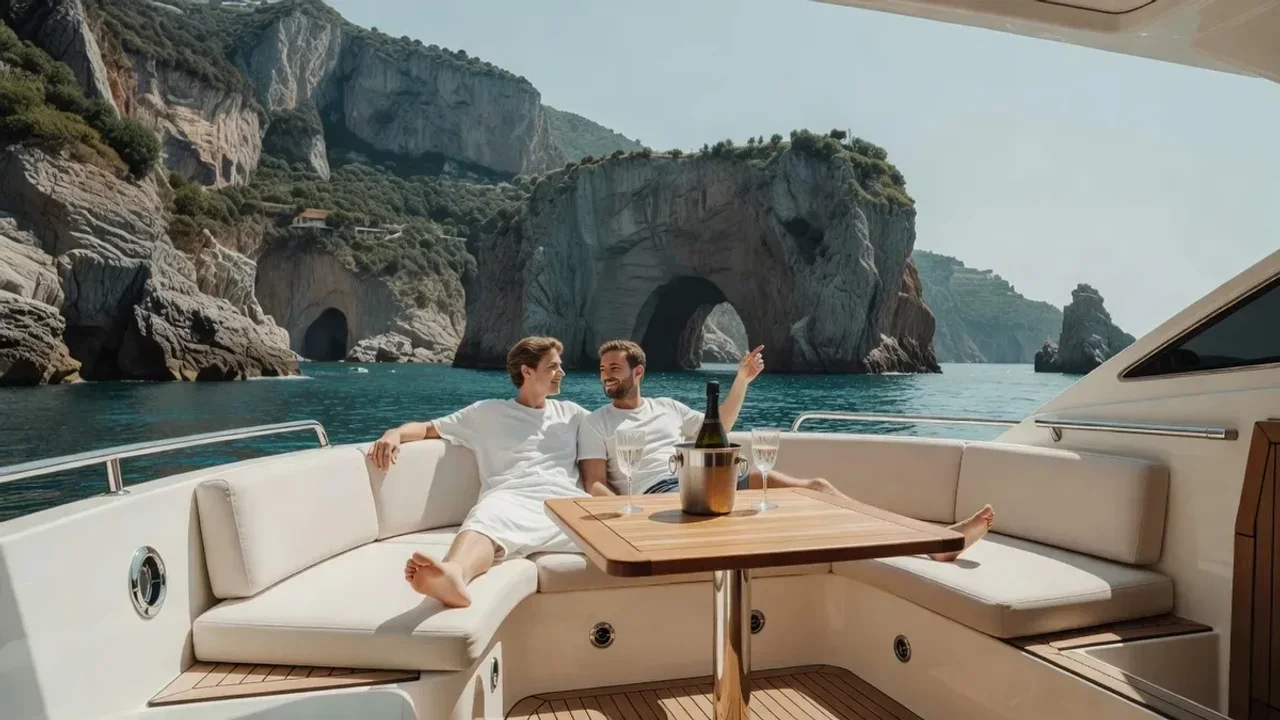
Fiordo di Furore: Fjord Beach, Bridge & Access Guide
Spanning a sheer 30-meter-high arched viaduct and 200 cliff steps, the fiordo di furore is one of the most striking geological formations on the Amalfi Coast: a deep, narrow coastal gorge carved into vertical limestone cliffs by the Schiato torrent, detailed in our guide to what to do in Amalfi. Below the bridge lies a sheltered pebble beach and a cluster of ancient fishermen's stone cottages (monazzeni), famously featured in Roberto Rossellini's 1948 film L'Amore starring Anna Magnani. While overland access is via steep cliffside staircases from the SITA bus stop, the fjord is equally magnificent when approached from the sea aboard coastal boat excursions. This guide covers staircase status, transit connections, photography tips, and swimming safety.
Quick answer How to visit Fiordo di Furore, bus stop logistics, and swimming conditions in brief
Fiordo di Furore is a dramatic sea canyon 6 km west of Amalfi. You can view the bridge from the SITA bus stop or take the stone staircase down to the pebble beach. Arrive by boat tour for the best panoramic view, or take the Amalfi–Positano SITA bus.
Key takeaways
- Board the Amalfi–Positano SITA bus and ask the driver for the "Fiordo di Furore" bridge stop.
- The gorge is deeply shaded in early morning and late afternoon; visit between 11:00 and 14:30 for sun on the beach.
- Taking a coastal boat tour with swimming stops lets you view the viaduct from water level without descending 200 steep steps.
Key facts
Opening hours
| Year-round | 08:00–19:00 |
|---|
Closed Open daily year-round (staircases may temporarily close during heavy rain or rockfall maintenance)
Admission
- Adult
- Free natural beach access ($0)
- Reduced
- Free ($0)
- Free
- Open to all visitors without gate fee
Planning it
- Time needed
- 1–2 hours
- Address
- Via Marina di Furore, 84010 Furore SA, Italy
Comparison between independent self-guided visits to Fiordo di Furore and coastal boat tours departing from Amalfi port.
| Visiting Option | Cost | Key Inclusions | Booking Route | Book |
|---|---|---|---|---|
| Independent Visit via SITA Bus & Stairs | Free ($0) | Pebble beach access, bridge photo vantage point | Public access; purchase SITA bus tickets before boarding | Official site |
| Amalfi to Positano Boat Cruise via Furore | $75.00 (€64.00) | Coastal boat cruise, fjord view from water, swim stops, drinks | Reserve online with instant confirmation and 24h cancellation | Check Availability |
Turquoise water inlet at Fiordo di Furore with arched stone bridge spanning sheer limestone cliffs above a pebble beach
 from $75.00
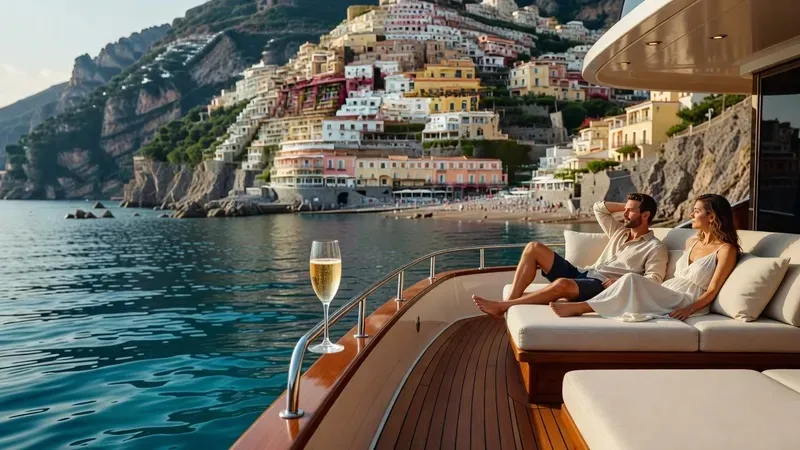
Amalfi to Positano & Emerald Grotto: Coastal Boat Cruise with Swimming
4-hour small-group boat cruise from Amalfi Molo Pennello past Furore Fjord to Positano with swim stops, snorkeling masks, and chilled prosecco.
Check Availability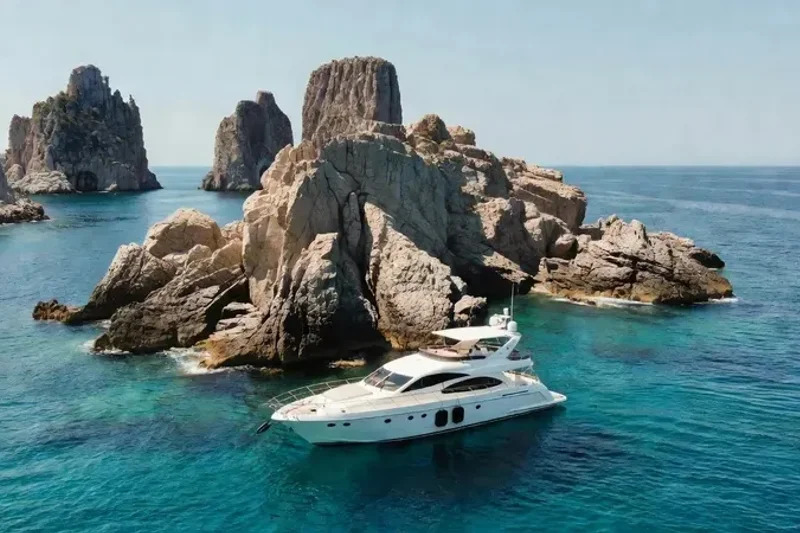 from $58.00
Amalfi Coast Sea Kayak & Snorkeling Tour to Hidden Sea Caves
3-hour guided sea kayak adventure from Amalfi beach past natural sea arches to Saint Andrew's Grotto with swim and snorkel break.
Check AvailabilityPrices, ratings and details are the platform's own. Dollar figures are the listed prices. The platform bills in your account's currency.
Geology, Cinematic History & Visiting Logistics
Understanding the unique canyon morphology, neorealist film heritage, and access stairways at Fiordo di Furore.
1. Geological Formation & Film Heritage
Geologically speaking, Furore is not a glacial fjord but a 'ria'—a deep drowned coastal gorge carved into vertical dolomitic limestone by the torrential Schiato stream. Its microclimate created a secluded sanctuary for fishermen and grain millers who lived in rustic stone huts (monazzeni) clinging to the rock face. In 1948, neorealist director Roberto Rossellini filmed Il Miracolo (part of L'Amore) here, living in the central stone cottage with Oscar-winning actress Anna Magnani; today, a small municipal museum preserves production stills and correspondence from that cinematic era.
2. Reaching the Fjord: SITA Bus 5070 & The 200 Steps
Overland travelers should board SITA bus 5070 (Amalfi–Positano–Sorrento) from Amalfi's Flavio Gioia terminal (€1.50 ticket, 15-minute ride). Request the 'Fiordo di Furore' stop, which drops passengers directly on the coastal bridge viaduct. From the western side of the bridge, approximately 200 steep stone steps descend down the cliff face to the pebble beach.
Note: there is absolutely zero vehicle parking anywhere near the gorge along highway SS163, and municipal tow trucks strictly monitor the bridge.
3. Sea Approaches & The MarMeeting High Diving
Viewing the fjord from the sea provides an unmatched perspective of the 30-meter arched stone viaduct spanning the chasm. Small-group boat cruises and kayak tours departing Amalfi glide directly into the calm emerald cove for swimming stops. Every July, the viaduct serves as the launching platform for the prestigious Mediterranean High Diving Championship (MarMeeting), where elite international cliff divers plunge 28 meters straight down into the narrow marine inlet before thousands of boat-borne spectators.
Location of Fiordo di Furore & Surrounding Coastline
Geographical location of the fjord viaduct and transit links along the Amalfi Coast road.
Nearby Coastal Sights
Discover more natural formations and scenic destinations along the Amalfi Coast.
Positano Day Trip
The famous pastel cliffside town located just 8 km further west along the coastal road or ferry route.
15 min by boat / busMarina Grande Beach
Amalfi main beach and ferry marina where coastal cruises to the fjord depart daily.
6 km eastPath of the Gods Hike
High clifftop trail running above Furore through Bomerano and Nocelle.
Trailhead in AgerolaFiordo di Furore Access Methods & Seasonal Safety Matrix
Practical guidelines, bus drop-off points, and landslide safety status for visiting the dramatic fjord beach.
| Visiting Element | Details & Regulations | Transit / Location | Safety Precautions | Local Recommendation |
|---|---|---|---|---|
| Public Bus Drop-off | SITA bus stops on the 30-meter high bridge over the gorge | SS163 highway between Praiano & Conca | Step immediately onto the pedestrian sidewalk; road has blind corners | Signal driver well in advance for 'Furore Fiordo' request stop. |
| Stairway to the Fjord Beach | Narrow stone staircase descending 180 steps from bridge | West side of the highway bridge | Wear shoes with grip; steps are occasionally dusty or wet | Use the handrail; hold children securely while descending. |
| Gorge Beach Access Status | Shingle cove beneath sheer limestone cliffs | Base of the stone arched bridge | Obey warning signs regarding rockfall fences during heavy rain | Morning sun only; gorge falls into complete shadow after 13:30. |
| Historic Monazzeni (Fishermen Huts) | Restored lime-kiln and boat houses along the gorge floor | Behind the pebble shoreline | Protected historical landmark; do not enter private dwellings | Site of famous film set with Roberto Rossellini and Anna Magnani. |
Navigating the Coastal Gorge, Historic Bridge & Landslide Updates
Essential field-tested logistics, verified local guidance, and practical advice for Fiordo di Furore: Visiting the Fjord Beach & Bridge.
The Dramatic Geography of Italy’s Only Coastal Fjord
Carved over millennia by the torrential Schiato mountain river plunging from the Agerola plateau into the Tyrrhenian Sea, the Fiordo di Furore is a sheer 300-foot-deep limestone gorge. Spanning the narrow chasm is the legendary arched stone highway bridge of the SS163, suspended 28 meters (92 feet) directly above the deep azure water.
Tucked beneath the vertical cliff walls sits a secluded pebble cove and a cluster of whitewashed historic fishermen’s cottages (monazzeni) clinging to the rock face, where Italian film director Roberto Rossellini and actress Anna Magnani lived and filmed L’Amore in 1948.
Access Realities: Landslides and Stairway Safety
The steep stone staircase descending from the bridge to the beach has experienced periodic closures following heavy winter rainstorms and cliffside rockfalls (frane). The local municipality of Furore has installed heavy steel rockfall netting along the gorge walls to stabilize the cliffs.
When descending the stone staircase, stay on marked pathways and obey posted municipal safety signage. Bring water and snacks, as there are no commercial lidos, beach bars, or restrooms on the pebble beach; it is a wild, protected natural heritage site.
Photographing the Fjord: Best Angles and Timing
How to capture iconic photos of Fiordo di Furore:
- ✓ From the Bridge Sidewalk: Stand on the pedestrian walkway of the bridge looking down into the narrow turquoise chasm and stone cottages.
- ✓ From the Pebble Beach: Position your camera low looking up at the monumental stone arch framing the sky above.
- ✓ Morning Sun: The deep gorge receives direct sunlight only between 10:30 AM and 14:00 PM; by mid-afternoon, the tall cliffs cast deep shade over the water.
The Natural Coastal Canyon of Furore: Geology & Film History
The dramatic geological gorge carved by the Schiato torrent, famous for cliff diving and Italian cinema.
A Genuine Mediterranean Ria (Gorge)
While commonly referred to as a fjord, Fiordo di Furore is technically a ria—a deep limestone canyon carved over millennia by the rushing waters of the Schiato stream flowing from the Agerola highlands down to the Tyrrhenian Sea. Overlooked by an arched stone highway bridge suspended 30 meters overhead, the gorge shelters a small pebble cove and historic lime-plastered fishermen's cottages (monazzeni) that blend directly into the sheer cliff walls.
The Cinematic Sanctuary of Anna Magnani and Roberto Rossellini
In 1948, celebrated Italian neo-realist film director Roberto Rossellini filmed scenes of 'L'Amore' inside the gorge, living in the secluded fishermen's huts with legendary actress Anna Magnani. Today, one of the restored cottages houses a modest museum dedicated to their cinematic heritage.
High Diving Championships, Movie History & Gorge Trails
Essential field-tested logistics, verified local guidance, and practical advice for Fiordo di Furore: Visiting the Fjord Beach & Bridge.
The MarMeeting World High Diving Championship
Each summer, the arched stone bridge of Fiordo di Furore becomes the world’s most dramatic arena for international cliff diving: the MarMeeting (Mediterranean Cup High Diving Championship). Elite professional cliff divers from around the world stand on a narrow platform mounted to the bridge railing, 28 meters (92 feet) directly above the churning water.
Divers accelerate to over 85 km/h (53 mph) during a three-second free fall, performing complex somersaults and twists before plunging into the narrow, deep emerald sea chasm. Spectators gather on hundreds of private boats and along the pebble beach below to watch the dramatic spectacle.
The Cinematic Love Story: Rossellini and Anna Magnani
In 1948, legendary Italian neorealist filmmaker Roberto Rossellini fell in love with the dramatic isolation of the Furore gorge. Together with iconic Italian actress Anna Magnani, they purchased two whitewashed fishermen’s cottages (monazzeni) clinging to the cliff rocks beneath the bridge.
Here, Rossellini directed Magnani in the acclaimed film L’Amore (specifically the segment Il Miracolo), transforming the secluded fjord into a historic landmark of Italian cinema history. Today, a modest museum exhibition inside one of the restored cottages commemorates their fiery romance and film work.
The Winch Heritage & Traditional Fishing Gear in the Fjord
Essential field-tested logistics, verified local guidance, and practical advice for Fiordo di Furore: Visiting the Fjord Beach & Bridge.
The Wooden Windlasses (*Argani*) of Furore Fishermen
Because Fiordo di Furore has no natural harbor breakwater, fishermen faced severe dangers from sudden southwestern sea storms (mareggiate). Over centuries, local fishermen developed specialized heavy wooden winches (argani) anchored into bedrock.
Whenever high waves threatened the shore, fishing crews worked manual levers to haul their heavy wooden rowboats up steep wooden slipway poles, parking the boats safely inside the arched stone boat caves (calcara) dry and sheltered from the crashing surf.
2026 Practical Field Guide: Timing, Payments & Local Etiquette for Fiordo Di Furore
Crucial on-the-ground operational rules, financial realities, and daily visitor protocols to ensure a smooth, rewarding experience at Fiordo Di Furore.
Optimal Visiting Windows & Peak Crowd Flow at Fiordo Di Furore
Experiencing Fiordo Di Furore without overwhelming crowds requires understanding the sharp contrast between day-tripper hours and resident rhythms. Tour buses from Naples and Sorrento arrive along the coastal highway between 10:00 and 10:30, releasing high passenger volumes into public plazas and popular landmarks until approximately 15:30. By contrast, the early morning hours between 07:30 and 09:30 offer tranquil streets, cool temperatures, and pristine photographic light where limestone cliffs glow gold.
During July and August, midday temperatures routinely climb above 34°C (93°F); taking a midday pause in shaded cafes or valley interiors between 12:30 and 15:00 protects you from heat exhaustion while allowing you to enjoy a second sightseeing wave after 16:30 when soft evening breezes (ponente) begin to blow.
Payment Realities, Local ATMs & Avoiding Conversion Surcharges
While European legislation mandates card acceptance for retail purchases, daily life on the Amalfi Coast frequently demands physical euro cash. Municipal public restrooms (€1.00 coin turnstiles), Tabacchi bus ticket counters, coin-operated beach rinse showers, and luggage porter tips operate exclusively on cash. When withdrawing funds, steer completely clear of standalone yellow-and-blue Euronet ATMs positioned near ferry docks and souvenir shops; these third-party terminals employ predatory Dynamic Currency Conversion (DCC) models that impose stealth markups of 11% to 14% on foreign exchange.
Always use official Italian bank branch ATMs (Bancomat) operated by established national institutions such as Intesa Sanpaolo or UniCredit located on main town squares. When prompted by card terminals during restaurant or shop checkouts, always select the option to be charged in local EUR rather than your home billing currency to let your domestic bank handle conversion at interbank exchange rates.
Public Facilities, Modesty Guidelines & Hydration Points
Navigating public spaces around Fiordo Di Furore requires adherence to civic regulations and cultural norms. Historical religious sanctuaries enforce strict modesty codes: shoulders and knees must be fully covered, and visitors wearing sleeveless tops, crop tops, or short beachwear are turned away at the threshold. Keep a lightweight linen scarf or cotton wrap accessible in your daypack to drape over your body before entering historic buildings.
Municipal bylaws also prohibit walking through town streets or commercial promenades shirtless or solely in swimwear, carrying fines up to €250. Clean municipal public restrooms are situated at primary transit terminals and harbor piers, staffed throughout the day for a €1.00 fee. For hydration, seek out municipal cast-iron drinking fountains (fontanelle) that continuously dispense cold, potable mountain spring water; carrying a reusable stainless steel flask eliminates the need to purchase single-use plastic bottles while ensuring you remain well-hydrated throughout the day.
With the practicalities of the fiordo covered, browsing the best Amalfi tours helps you see how a visit here fits into a wider Amalfi Coast itinerary.
Regional Transit Coordination & Terrain Navigation: Fiordo Di Furore
Strategic transport mechanics, luggage management, and topographic realities when exploring Fiordo Di Furore and adjacent coastal destinations.
Maritime Ferry Logistics & Sea Swell Contingencies
Maritime passenger catamarans operated by Travelmar, NLG, and Positano Jet represent the fastest, most reliable method for traveling between Amalfi and neighboring coastal towns, bypassing highway traffic jams completely. During the April-to-October operating season, passenger ferries run frequent scheduled departures connecting Amalfi to Positano, Capri, Salerno, Minori, and Maiori. Boarding occurs from Molo Pennello, where passengers should queue at least 15 minutes before the departure bell.
However, travelers must monitor maritime conditions: strong southwesterly winds and heavy sea swells (mare agitato) can lead harbor masters to suspend docking at exposed piers like Positano or Amalfi. In such events, transit automatically shifts to inland SITA regional buses, causing bus terminal queues to swell. Maintaining the official SITA bus schedule on your smartphone and booking morning ferry runs—when sea swells are typically lowest—provides reliable travel security.
Luggage Transfers, Porters & Vertical Staircase Realities
The sheer limestone topography of the Amalfi Coast means that reaching hotels, guesthouses, and scenic viewpoints involves ascending dozens or hundreds of steep stone steps (scale). Wheeled suitcases cannot be rolled across ancient irregular cobblestones or up steep stairways. Travelers arriving with full-sized luggage should utilize municipal luggage storage facilities at the port (€5.00 to €8.00 per piece) or coordinate private luggage porter services directly through their accommodation or harbor kiosks (€10.00 to €15.00 per bag).
Professional porters utilize specialized motorized stair-climbing hand trucks or carry bags up steep residential alleys, sparing travelers exhausting physical strain under direct coastal sun. Packing light in carry-on backpacks or compact duffels remains the single most effective way to navigate the vertical layout of coastal settlements.
Footwear Architecture, Heat Safety & Emergency Care Protocols
Walking distances around Fiordo Di Furore accumulate rapidly, often totaling 10,000 to 16,000 steps per day across uneven stone surfaces, steep inclines, and polished marble steps that become dangerously slick when wet. Smooth leather-soled shoes, flip-flops, and high heels present serious slipping hazards; visitors should wear supportive walking shoes, trail running shoes, or sturdy hiking sandals featuring aggressive rubber tread patterns. In case of unexpected medical emergencies, dial 112 (universal European emergency service) or 118 directly for ambulance dispatch.
The primary local emergency medical clinic (Pronto Soccorso) serving the central coast is located in nearby Castiglione di Ravello, equipped with bilingual medical staff, diagnostic equipment, and triage units. Local pharmacies (farmacie) in central squares rotate emergency night shifts and can dispense over-the-counter remedies for motion sickness, dehydration, and minor sprains.
Frequently Asked Questions about Fiordo di Furore
Is Fiordo di Furore open to the public?
Yes, the natural fjord and pebble beach are public and free to visit. However, stair access from the highway bridge may occasionally be paused by local authorities for maintenance.
Can you swim at Fiordo di Furore?
Yes, the water inside the inlet is calm and sheltered from coastal waves, making it popular for swimming. Be mindful of occasional small boat traffic near the entrance.
How do you get to Fiordo di Furore from Amalfi?
Take the SITA bus heading toward Positano or Sorrento from Amalfi terminal and alight at the bridge. Alternatively, book a coastal boat excursion that sails into the fjord.
Is there parking at Fiordo di Furore?
No, there is virtually zero public parking near the bridge, and parking along the narrow SS163 highway is strictly prohibited. Use public buses or boat tours.
When is the best time of day to photograph the fjord?
Midday between 11:30 and 14:00 is best. The sun reaches the bottom of the deep canyon during these hours, revealing brilliant turquoise water hues.
Is there parking at the Fiordo di Furore bridge?
There is zero official car parking at the Fiordo di Furore bridge. Stopping a rental car on the bridge or blocking the SS163 road is strictly prohibited and heavily ticketed by police. Access the fjord via SITA bus or scooter only.
How do I reach the beach at Fiordo di Furore?
Take the SITA bus from Amalfi towards Positano or Sorrento (about 20 minutes) and ask the driver for the 'Fiordo di Furore' stop on the bridge. A narrow stone staircase of roughly 180 steps descends from the western end of the bridge down to the beach.
Does the Fiordo di Furore beach get all-day sun?
No. Because the beach is situated at the base of sheer 100-meter cliffs, sunlight reaches the pebble shoreline only between 10:00 AM and 13:30 PM in summer. By early afternoon, the entire gorge falls into cool cliff shade.
What is the best way to handle tipping at Fiordo Di Furore?
Tipping is not mandatory in Italy. Most sit-down establishments include a per-person cover charge (coperto) of €2.00 to €4.00 on the final bill for bread and table setting. Leaving 5% to 10% in cash for attentive service or rounding up the bill by a few euros is a generous and appreciated gesture, but it is never expected or demanded.
Can you use international credit cards everywhere near Fiordo Di Furore?
Visa and Mastercard are accepted at virtually all hotels, sit-down restaurants, boutiques, and ferry ticket windows. However, American Express is occasionally declined by small family-run trattorias. Always carry €40.00 to €60.00 in small euro banknotes for bus tickets, espresso bars, and public restrooms.
How do you check for scheduled transport strikes (sciopero) affecting Fiordo Di Furore?
Italian transit unions occasionally stage 24-hour general strikes (sciopero). By Italian law, minimum guaranteed service windows (fasce di garanzia) operate between 06:00–09:00 and 18:00–21:00. Check the official Ministry of Infrastructure and Transport (MIT) strike calendar online or ask your hotel reception 24 hours prior to long travel days.
Prices, hours and terms are set by the venue or operator and confirmed at checkout.
We may earn a commission if you book through one of our links, at no extra cost to you. Full affiliate disclosure