 Amalfi City Guide
Safety in Amalfi: Scams to Avoid, Taxi Rules & Physical Hazards
Overall safety in amalfi is outstanding: violent crime is virtually nonexistent, and the town is one of the safest travel destinations in Southern Europe for families, couples, and solo female travelers. The main risks travelers face are practical and environmental rather than criminal: unauthorized taxi fares, slippery polished stone steps, motion sickness on winding buses, and uncertified boat touts on the pier. Practical transit advice sits on our getting around guide, and sights are indexed on what to do in amalfi.
Quick answer Key safety takeaways and scam prevention
Amalfi is exceptionally safe with negligible crime. The main hazards are physical: steep stone steps that become slippery in the rain, sea sickness on choppy ferries, and unlicensed private drivers charging inflated rates.
Key takeaways
- Avoid unlicensed boat touts approaching you on the pier; book only through official ticket booths on Molo Pennello or certified platforms.
- Always confirm fixed regulated taxi tariffs before getting into a cab, especially for late-night transfers to Ravello or Positano.
- Wear footwear with rubber grip when exploring upper alleyways and hiking trails; centuries of foot traffic have polished the limestone steps smooth.
Common Tourist Pitfalls & How to Avoid Them
Analysis of common traveler complaints and practical prevention strategies for Amalfi.
| Pitfall / Hazard | Where It Occurs | Risk Level | Prevention Strategy |
|---|---|---|---|
| Unofficial Taxi Overcharging | Piazza Flavio Gioia / Ferry Pier | Moderate | Demand official regulated tariff card before boarding |
| Slick Polished Stone Stairs | Cathedral steps & cliff alleyways | High (rainy days) | Wear shoes with rubber tread; use handrails |
| Unauthorized Boat Vouchers | Pier entrance / street hawkers | Low to Moderate | Book at official pier kiosks or verified platforms |
| Bus Ticketless Fines | SITA bus stops | Moderate | Always purchase ticket BEFORE boarding |
| Luggage Porter Overcharging | Ferry arrival gate | Low | Agree on standard €10–€15/bag rate in advance |
Peaceful, well-lit pedestrian cobblestone alley in Amalfi in early evening
 from $38.50
Amalfi: Guided Walking Tour with Cathedral & Cloister Visit
2-hour historical walking tour through Amalfi's medieval lanes with ticket and licensed guide into Duomo di Sant'Andrea and the Chiostro del Paradiso.
Check Availability from $75.00
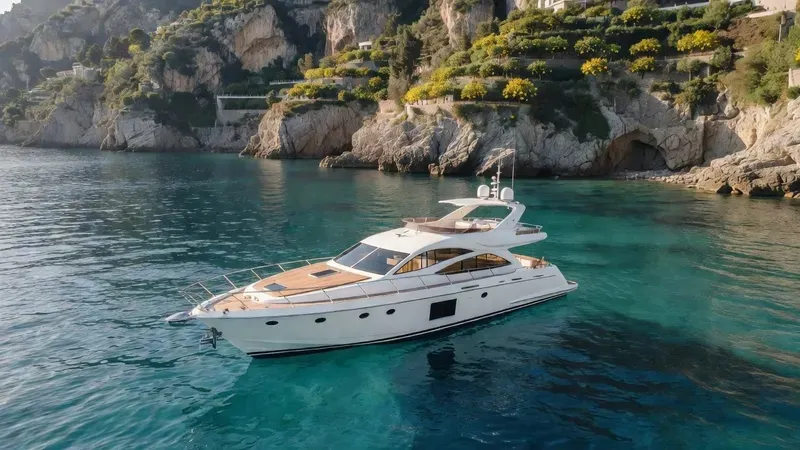
Amalfi to Positano & Emerald Grotto: Coastal Boat Cruise with Swimming
4-hour small-group boat cruise from Amalfi Molo Pennello past Furore Fjord to Positano with swim stops, snorkeling masks, and chilled prosecco.
Check AvailabilityPrices, ratings and details are the platform's own. Dollar figures are the listed prices. The platform bills in your account's currency.
Essential Safety Advice & Scam Prevention in Amalfi
Essential context, operational principles, and field-tested advice for understanding safety advice & scam prevention in amalfi.
Physical Hazards: Polished Stone Steps, Footwear & Sea Sickness
The most frequent medical complaints treated by local first responders are sprained ankles, knee strains, and heat exhaustion. Amalfi is built on steep vertical cliffs: accessing accommodations, exploring upper alleyways, and visiting sights requires ascending hundreds of limestone steps. Over centuries of foot traffic, this stone has become polished glass-smooth.
When wet from rain, sea fog, or municipal morning street cleaning, steps become dangerously slick. Leave leather-soled shoes, smooth flip-flops, and high heels in your luggage; wear shoes with grippy Vibram or rubber lug soles. If prone to motion sickness, pack dimenhydrinate remedies before boarding winding SITA buses or open sea ferries on choppy days.
Transport Rules: Regulated Taxi Tariffs vs Pier Hawkers
Amalfi taxis do not operate on taxi meters for regional journeys between towns. Instead, the Comune di Amalfi establishes legally binding fixed municipal tariffs (tariffe predeterminate). Official rates are clearly defined: Amalfi to Ravello is regulated at €45.00–€50.00 ($52.00–$58.00), Amalfi to Positano is €90.00–€110.00 ($104.00–$127.00), and transfer to Naples Capodichino Airport (NAP) is €160.00–€190.00 ($184.00–$219.00).
Always verify that the vehicle is an official licensed white taxi with the municipal shield and demand to view the official tariff sheet before loading bags into the trunk. Decline aggressive unlicensed drivers (abusivi) soliciting on Molo Pennello pier.
Bus Ticketing Regulations & Anti-Evasion Fines
A frequent pitfall for international visitors is attempting to purchase SITA bus tickets directly from the driver upon boarding. Drivers on the Amalfi Coast do not sell tickets under any circumstances. You must purchase your ticket before boarding at authorized sales points, such as Bar Flavio Gioia on the piazza, Tabacchi shops, or via the regional UnicoCampania smartphone app.
As soon as you board, validate your ticket in the yellow or green stamping machine at the bus entrance. Regional transport inspectors conduct frequent spot checks along route 5070 and 5080, and failure to present a stamped ticket incurs an immediate €40.00 to €60.00 fine.
Medical Infrastructure: Pharmacies, First Aid & Emergency 112
In an urgent medical emergency, call 112 (the universal European emergency number with English-speaking dispatchers). Ambulances from the local volunteer corps (Croce Bianca di Amalfi, Piazza Municipio) respond promptly. For minor ailments, cuts, or prescriptions, visit Farmacia Centrale (Piazza Duomo 11) or Farmacia Gambardella.
One pharmacy in the district always maintains 24-hour on-call night duty (servizio notturno), posted on the entrance window. The nearest emergency hospital (Pronto Soccorso) is Ospedale Costa d'Amalfi in Castiglione di Ravello, located 3.5 kilometers east along the SS163 road (+39 089 871032).
Safety & Emergency Locations
Emergency services and municipal authority offices in Amalfi.
Related Practical Guides
Review transport rules and budget expectations.
Amalfi Costs
Understanding coperto, tipping norms, and card payment rules.
Budget guideAmalfi Coast Tourist Traps & Consumer Safety Guidelines
Recognizing and avoiding common pricing pitfalls, unlicensed transport operators, and restaurant fee traps.
| Potential Pitfall / Scam | How It Works | Legal Reality in Italy | How to Protect Yourself |
|---|---|---|---|
| Fresh Fish 'All’Etto' Trap | Menu lists whole fish at '€8.00', which means per 100g. A 700g fish costs €56.00. | Legal if clearly stated on printed menu in grams. | Ask the waiter to weigh the raw fish on a tray and state the total price before cooking. |
| Unregulated NCC Taxi Drivers | Unlicensed drivers solicit rides at port claiming buses are cancelled. | Illegal; lack passenger commercial insurance. | Use only licensed white municipal taxis with roof signs and official door decals. |
| Broken POS Machine Claim | Staff claim card reader is offline to demand cash payment. | Illegal under Italian law; all merchants must accept electronic card payment. | Politely insist on paying by card; the POS machine miraculously reconnects. |
| Counter vs Table Surcharge | Pastry & coffee price doubles or triples if seated at outside piazza tables. | Legal; table service (servizio al tavolo) carries legitimate premium. | Stand at the brass bar counter for local €1.50 espresso; sit down only if staying a while. |
Consumer Awareness, Road Dangers & Emergency Services
Essential field-tested logistics, verified local guidance, and practical advice for Safety in Amalfi: Scams to Avoid, Taxi Rules & Hazards.
Personal Safety: The Low-Crime Reality of the Coast
The Amalfi Coast is one of the safest tourist destinations in all of Europe. Violent crime against visitors is practically nonexistent. Local towns like Amalfi, Atrani, and Minori are close-knit traditional communities where multi-generational families have lived for centuries, and walking through town alleyways late at night is completely safe.
The primary safety concerns travelers encounter are situational and physical rather than criminal: twisting an ankle on polished stone staircases, heat exhaustion from hiking exposed mountain trails without adequate water, and motion sickness on mountain buses.
The "Per 100 Grams" (*All’Etto*) Menu Pricing Explained
One of the most frequent consumer complaints in coastal Italian restaurants involves fresh fish pricing. When viewing menus for wild catch (pesce fresco di giornata—such as sea bream, sea bass, or turbot), prices are listed as €7.00 to €10.00 / hg (etto / 100 grams), rather than as a fixed portion price.
A whole fish presented by your server often weighs between 700 and 1,100 grams, meaning the final course will cost €60.00 to €100.00+. This is traditional European seafood practice, not an illegal scam. To avoid billing surprises, always ask the server to weigh the raw fish on the kitchen scale and confirm the total exact cost before it is sent to the grill.
Emergency Contacts & Medical Assistance
Essential numbers and locations for medical needs:
- ✓ Emergency Medical (Ambulance): Dial 118 nationwide across Italy for immediate emergency medical dispatch.
- ✓ Carabinieri (Police): Dial 112 for universal European emergency services and police response.
- ✓ *Castiglione Hospital Emergency Room (Pronto Soccorso): The primary regional emergency medical hospital is Ospedale Costa d’Amalfi*, located in Castiglione di Ravello (just 2 kilometers east of Amalfi along the SS163 road).
- ✓ *Pharmacies (Farmacie)*: Look for glowing green neon cross signs. Pharmacists in Italy are highly trained healthcare providers who can dispense medications for travel ailments, ear infections, and minor injuries.
Consumer Safety: Avoiding Road Traps, Non-Bank ATMs & Taxi Surcharges
Protecting your wallet, health, and belongings while traveling along the Amalfi Coast.
Avoiding Non-Bank Euronet ATM Foreign Exchange Traps
Standalone yellow-and-blue Euronet ATMs located near tourist piers and souvenir shops use aggressive dynamic currency conversion (DCC) models, adding covert fees of 10% to 15% on withdrawals. Always withdraw euros from legitimate Italian bank branches (such as UniCredit or Intesa Sanpaolo on Piazza Duomo), and always choose to be charged in EUR rather than your home currency.
Unlicensed Taxi Operators vs. Official Municipal Fixed Tariffs
Only hire licensed municipal taxis (white cars with official taxi roof shields and municipal license crests on the doors). Drivers soliciting rides at ferry docks are often unlicensed private drivers who charge inflated rates. Demand the official laminated municipal tariff sheet before departure; Amalfi taxis operate on established fixed rates between towns.
Mountain Trail Safety: Footwear and Dehydration Hazards
The most common tourist emergency calls on the coast involve stranded hikers on the Path of the Gods (Sentiero degli Dei). Hiking in flip-flops, smooth-soled fashion sneakers, or without water regularly leads to ankle fractures and heat exhaustion. Always wear lugged hiking boots, carry 2 liters of water per person, and download offline GPS trail maps.
Driving Safety: SS163 Hairpin Realities & Scooter Precautions
Essential field-tested logistics, verified local guidance, and practical advice for Safety in Amalfi: Scams to Avoid, Taxi Rules & Hazards.
Mastering the SS163 Amalfitana Road: Horn Etiquette on Blind Curves
If you choose to drive a vehicle on the coastal road, you must master the traditional Italian coastal driving etiquette: honking on blind corners (suonare il clacson). Tour coaches measuring 12 meters long cannot negotiate tight hairpin curves without swinging into the oncoming traffic lane.
As you approach any blind rock corner, sound two short taps of your horn and slow to a crawl. If you hear an air horn responding, immediately stop your vehicle before the bend to allow the large bus room to complete its turn.
Medical Emergencies at Castiglione Hospital (*Pronto Soccorso*)
In the event of acute illness, severe food allergies, or sprains from stone steps, head directly to Ospedale Costa d’Amalfi in Castiglione di Ravello. The hospital operates a 24-hour emergency department with English-speaking medical doctors, modern X-ray imaging, and trauma treatment. EU citizens should carry their European Health Insurance Card (EHIC); non-EU travelers should retain all itemized medical receipts for travel insurance reimbursement.
2026 Practical Field Guide: Timing, Payments & Local Etiquette for Safety And Scams
Crucial on-the-ground operational rules, financial realities, and daily visitor protocols to ensure a smooth, rewarding experience at Safety And Scams.
Optimal Visiting Windows & Peak Crowd Flow at Safety And Scams
Experiencing Safety And Scams without overwhelming crowds requires understanding the sharp contrast between day-tripper hours and resident rhythms. Tour buses from Naples and Sorrento arrive along the coastal highway between 10:00 and 10:30, releasing high passenger volumes into public plazas and popular landmarks until approximately 15:30. By contrast, the early morning hours between 07:30 and 09:30 offer tranquil streets, cool temperatures, and pristine photographic light where limestone cliffs glow gold.
During July and August, midday temperatures routinely climb above 34°C (93°F); taking a midday pause in shaded cafes or valley interiors between 12:30 and 15:00 protects you from heat exhaustion while allowing you to enjoy a second sightseeing wave after 16:30 when soft evening breezes (ponente) begin to blow.
Payment Realities, Local ATMs & Avoiding Conversion Surcharges
While European legislation mandates card acceptance for retail purchases, daily life on the Amalfi Coast frequently demands physical euro cash. Municipal public restrooms (€1.00 coin turnstiles), Tabacchi bus ticket counters, coin-operated beach rinse showers, and luggage porter tips operate exclusively on cash. When withdrawing funds, steer completely clear of standalone yellow-and-blue Euronet ATMs positioned near ferry docks and souvenir shops; these third-party terminals employ predatory Dynamic Currency Conversion (DCC) models that impose stealth markups of 11% to 14% on foreign exchange.
Always use official Italian bank branch ATMs (Bancomat) operated by established national institutions such as Intesa Sanpaolo or UniCredit located on main town squares. When prompted by card terminals during restaurant or shop checkouts, always select the option to be charged in local EUR rather than your home billing currency to let your domestic bank handle conversion at interbank exchange rates.
Public Facilities, Modesty Guidelines & Hydration Points
Navigating public spaces around Safety And Scams requires adherence to civic regulations and cultural norms. Historical religious sanctuaries enforce strict modesty codes: shoulders and knees must be fully covered, and visitors wearing sleeveless tops, crop tops, or short beachwear are turned away at the threshold. Keep a lightweight linen scarf or cotton wrap accessible in your daypack to drape over your body before entering historic buildings.
Municipal bylaws also prohibit walking through town streets or commercial promenades shirtless or solely in swimwear, carrying fines up to €250. Clean municipal public restrooms are situated at primary transit terminals and harbor piers, staffed throughout the day for a €1.00 fee. For hydration, seek out municipal cast-iron drinking fountains (fontanelle) that continuously dispense cold, potable mountain spring water; carrying a reusable stainless steel flask eliminates the need to purchase single-use plastic bottles while ensuring you remain well-hydrated throughout the day.
Visitors joining guided outings such as amalfi walking tours should carry the same modesty cover and refillable flask, since most amalfi tours pass through the same dress-regulated sanctuaries and fountain-fed piazzas described above.
Regional Transit Coordination & Terrain Navigation: Safety And Scams
Strategic transport mechanics, luggage management, and topographic realities when exploring Safety And Scams and adjacent coastal destinations.
Maritime Ferry Logistics & Sea Swell Contingencies
Maritime passenger catamarans operated by Travelmar, NLG, and Positano Jet represent the fastest, most reliable method for traveling between Amalfi and neighboring coastal towns, bypassing highway traffic jams completely. During the April-to-October operating season, passenger ferries run frequent scheduled departures connecting Amalfi to Positano, Capri, Salerno, Minori, and Maiori. Boarding occurs from Molo Pennello, where passengers should queue at least 15 minutes before the departure bell.
However, travelers must monitor maritime conditions: strong southwesterly winds and heavy sea swells (mare agitato) can lead harbor masters to suspend docking at exposed piers like Positano or Amalfi. In such events, transit automatically shifts to inland SITA regional buses, causing bus terminal queues to swell. Maintaining the official SITA bus schedule on your smartphone and booking morning ferry runs—when sea swells are typically lowest—provides reliable travel security.
Luggage Transfers, Porters & Vertical Staircase Realities
The sheer limestone topography of the Amalfi Coast means that reaching hotels, guesthouses, and scenic viewpoints involves ascending dozens or hundreds of steep stone steps (scale). Wheeled suitcases cannot be rolled across ancient irregular cobblestones or up steep stairways. Travelers arriving with full-sized luggage should utilize municipal luggage storage facilities at the port (€5.00 to €8.00 per piece) or coordinate private luggage porter services directly through their accommodation or harbor kiosks (€10.00 to €15.00 per bag).
Professional porters utilize specialized motorized stair-climbing hand trucks or carry bags up steep residential alleys, sparing travelers exhausting physical strain under direct coastal sun. Packing light in carry-on backpacks or compact duffels remains the single most effective way to navigate the vertical layout of coastal settlements.
Footwear Architecture, Heat Safety & Emergency Care Protocols
Walking distances around Safety And Scams accumulate rapidly, often totaling 10,000 to 16,000 steps per day across uneven stone surfaces, steep inclines, and polished marble steps that become dangerously slick when wet. Smooth leather-soled shoes, flip-flops, and high heels present serious slipping hazards; visitors should wear supportive walking shoes, trail running shoes, or sturdy hiking sandals featuring aggressive rubber tread patterns. In case of unexpected medical emergencies, dial 112 (universal European emergency service) or 118 directly for ambulance dispatch.
The primary local emergency medical clinic (Pronto Soccorso) serving the central coast is located in nearby Castiglione di Ravello, equipped with bilingual medical staff, diagnostic equipment, and triage units. Local pharmacies (farmacie) in central squares rotate emergency night shifts and can dispense over-the-counter remedies for motion sickness, dehydration, and minor sprains.
Frequently Asked Questions about Amalfi Safety
Is Amalfi safe for solo female travelers?
Yes. Amalfi is exceptionally safe for solo female travelers. Violent crime is virtually non-existent, and streets are well lit, friendly, and busy with families and travelers well into the evening.
Is pickpocketing a problem in Amalfi?
Pickpocketing is rare in Amalfi, unlike major transit hubs in Naples or Rome. However, keeping your bag zipped in crowded boarding lines at the ferry pier is standard good sense.
What is the emergency phone number in Amalfi?
Dial 112 for any immediate emergency (police, medical ambulance, or fire). The call is toll-free and operators speak English.
Are taxis metered in Amalfi?
No. Taxis operate on fixed municipal price schedules for inter-town trips. Confirm the price with the driver before getting in.
What shoes should I wear in Amalfi?
Wear shoes with rubber soles and good traction. Polished limestone steps throughout the town become very slippery when wet.
Is it safe to walk between Amalfi and Atrani at night?
Yes, completely safe. The pedestrian tunnel connecting Amalfi and Atrani inside Parcheggio Luna Rossa is well-lit, monitored by security cameras, and heavily traversed by locals and tourists at all hours.
Are scooter rentals safe for tourists on the Amalfi Coast?
Renting a scooter is safe only if you have solid, active motorcycle or moped riding experience. The SS163 road has tight blind corners, high tour buses that cross the center line on turns, and aggressive local delivery drivers; novice riders should not learn on this highway.
Is Amalfi safe at night?
Yes. Amalfi enjoys very low violent crime rates. The streets, alleys, and harbor remain safe, well-lit, and lively with families and strollers well past midnight during the summer season.
Are pickpockets a concern in Amalfi?
Violent street crime is almost non-existent, but petty opportunistic pickpocketing can occur in dense crowds boarding SITA buses or waiting at ferry gangways. Keep wallets, phones, and passports zipped in front pockets or cross-body bags.
What is the emergency medical number in Italy?
Dial 112 for general emergencies across Italy (equivalent to 911). For medical emergencies and ambulance dispatch, dial 118 directly. The local Pronto Soccorso (emergency medical clinic) is located in neighboring Castiglione di Ravello.
What is the best way to handle tipping at Safety And Scams?
Tipping is not mandatory in Italy. Most sit-down establishments include a per-person cover charge (coperto) of €2.00 to €4.00 on the final bill for bread and table setting. Leaving 5% to 10% in cash for attentive service or rounding up the bill by a few euros is a generous and appreciated gesture, but it is never expected or demanded.
Can you use international credit cards everywhere near Safety And Scams?
Visa and Mastercard are accepted at virtually all hotels, sit-down restaurants, boutiques, and ferry ticket windows. However, American Express is occasionally declined by small family-run trattorias. Always carry €40.00 to €60.00 in small euro banknotes for bus tickets, espresso bars, and public restrooms.
How do you check for scheduled transport strikes (sciopero) affecting Safety And Scams?
Italian transit unions occasionally stage 24-hour general strikes (sciopero). By Italian law, minimum guaranteed service windows (fasce di garanzia) operate between 06:00–09:00 and 18:00–21:00. Check the official Ministry of Infrastructure and Transport (MIT) strike calendar online or ask your hotel reception 24 hours prior to long travel days.
Prices, hours and terms are set by the venue or operator and confirmed at checkout.
We may earn a commission if you book through one of our links, at no extra cost to you. Full affiliate disclosure