 Amalfi City Guide
Is Amalfi Worth Visiting? An Honest Review of Crowds, Costs & Reality
Deciding whether is amalfi worth visiting depends on matching your expectations with reality: if you expect completely deserted Mediterranean beaches and cheap budget backpacking, the Amalfi Coast in July will overwhelm and disappoint you. However, if you plan smartly — visiting during the shoulder months (May–June or September–October), basing yourself in town to use passenger ferries, and exploring beyond the main piazza — Amalfi remains one of the most culturally profound and visually dramatic coastlines on earth. Compare options on our guide to things to do in Amalfi and our Amalfi itinerary guide.
Quick answer The unvarnished verdict
Yes, Amalfi is deeply worth visiting for its 1,000-year maritime history, magnificent Duomo, and central ferry connections. It is far more authentic and navigable than Positano, provided you avoid the peak August tourist crush.
Key takeaways
- Amalfi has genuine historical substance as a former Maritime Republic, whereas Positano is primarily a vertical boutique shopping village.
- Amalfi is the transport linchpin of the coast: direct ferries sail to Positano, Capri, and Salerno, and buses connect up to Ravello.
- To enjoy Amalfi at its best, stay at least two nights so you experience the town after the day-tripper ferry boats depart.
Amalfi vs Positano vs Sorrento: Which Base Fits You?
Direct comparison of character, transport logistics, prices, and crowds across coastal base towns.
| Comparison Factor | Amalfi Town | Positano | Sorrento |
|---|---|---|---|
| Core Atmosphere | Historic maritime, lively piazza, authentic | Glamorous, vertical, boutique shopping | Sprawling resort town, clifftop hotels |
| Physical Walkability | Flat central valley + cliff stairs | Extreme vertical stairways throughout | Largely flat, accessible pedestrian streets |
| Typical Hotel Cost | $220.00–$420.00 (€190–€360) | $350.00–$850.00 (€300–€720) | $160.00–$320.00 (€140–€275) |
| Transit Connectivity | 5/5 (Direct ferries + buses to Ravello) | 3.5/5 (Ferry only; road congested) | 5/5 (Circumvesuviana train to Pompeii) |
| Best Suited For | Culture lovers, ferry day trips, couples | Honeymooners, nightlife, photo shoots | Families, Pompeii day trips, budget travelers |
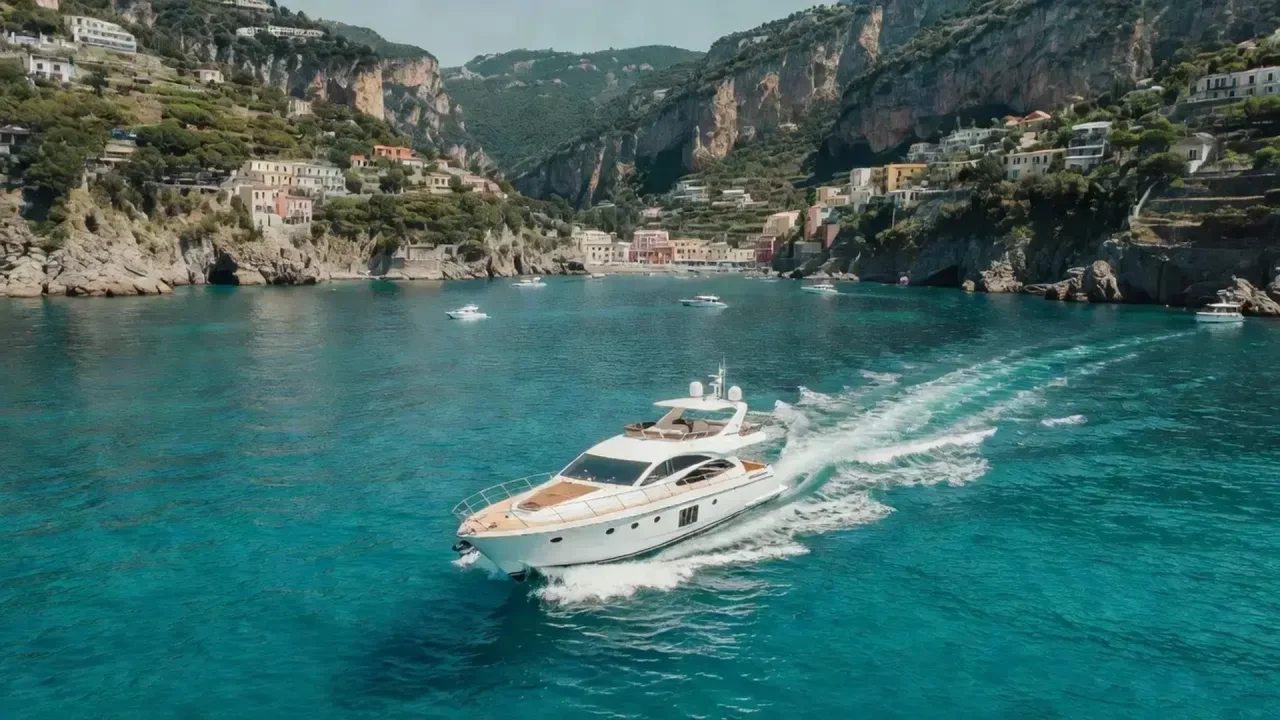
Dramatic panorama of Amalfi clifftop architecture meeting the deep blue sea under clear Italian skies
The Honest Pros and Cons of Amalfi: Critical Travel Audit
Essential context, operational principles, and field-tested advice for understanding honest pros and cons of amalfi: critical travel audit.
The Historical Core: Maritime Republic Heritage vs Pure Resort Towns
Unlike Positano, which evolved primarily as an elite clifftop artist colony and boutique shopping destination, Amalfi was one of the four mighty Maritime Republics of medieval Italy alongside Venice, Genoa, and Pisa. That thousand-year maritime dominance remains tangible today: the 9th-century Duomo di Amalfi with its Arab-Norman bell tower, the vaulted stone bays of the Arsenale della Repubblica, and the deep paper-milling traditions of the Valle dei Mulini give Amalfi genuine cultural gravitas that purely resort towns lack.
Logistical Reality: Why Amalfi Outperforms Positano as a Base
For travelers planning to explore the entire peninsula, Amalfi is strategically superior to every other coastal town. Positano has a notoriously exposed dock where ferries cancel at the slightest swell, and navigating its sheer vertical stairs with luggage is exhausting. Amalfi is the central maritime and bus crossroads: passenger ferries depart regularly from sheltered Molo Pennello to Positano, Capri, Maiori, Minori, and Salerno.
Simultaneously, SITA buses climb inland directly up to Ravello and Agerola for the Path of the Gods.
Crowd Dynamics: Day-Tripper Waves vs Peaceful Evenings
The chief drawback of Amalfi is midday saturation. Between 11:00 and 16:30 from June to September, thousands of excursionists arrive by ferry and tour coach, crowding Piazza Duomo and the narrow corridor of Corso Lorenzo d'Amalfi. The secret to loving Amalfi is staying overnight: by 17:30, the final day-tripper boats depart, the town regains its serene Mediterranean rhythm, children kick soccer balls against cathedral steps, and local families gather for evening aperitivo along the waterfront.
Who Should Visit Amalfi & Who Should Choose Elsewhere
Amalfi is ideal for culture enthusiasts, couples wanting convenient ferry day-tripping, and hikers tackling mountain gorges. However, if your vision of an Italian holiday consists of expansive white sand beaches, sprawling luxury pool resorts, and pulsating techno beach clubs, Amalfi will disappoint: its beaches are pebble-and-gravel coves, nightlife centers on late dinners and wine bars, and sheer cliffs restrict large-scale hotel footprints.
 from $38.50
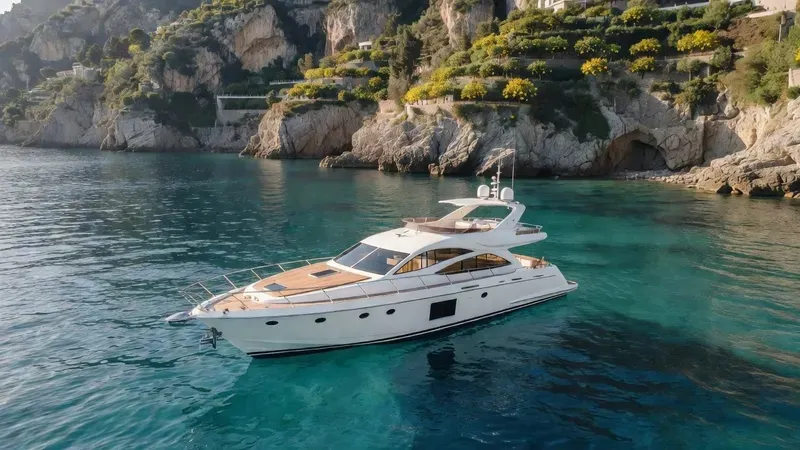
Amalfi: Guided Walking Tour with Cathedral & Cloister Visit
2-hour historical walking tour through Amalfi's medieval lanes with ticket and licensed guide into Duomo di Sant'Andrea and the Chiostro del Paradiso.
Check Availability from $75.00
Amalfi to Positano & Emerald Grotto: Coastal Boat Cruise with Swimming
4-hour small-group boat cruise from Amalfi Molo Pennello past Furore Fjord to Positano with swim stops, snorkeling masks, and chilled prosecco.
Check Availability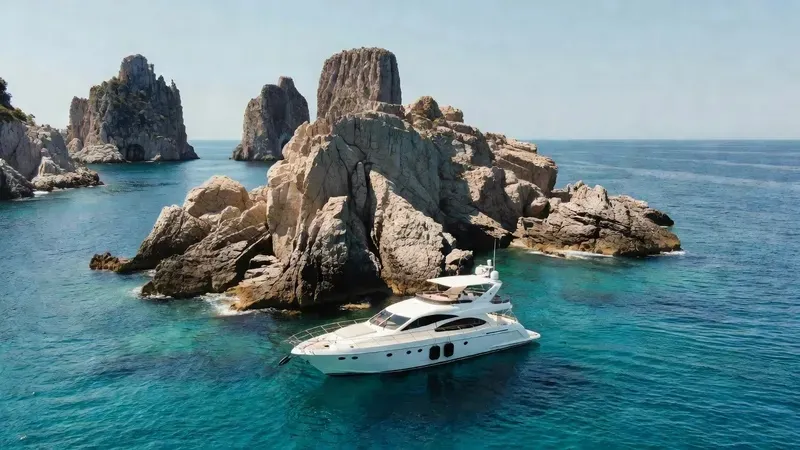 from $129.00
Full-Day Capri Island Cruise & Blue Grotto from Amalfi
Full-day small-group cruise from Amalfi around Capri island: Faraglioni, White & Green Grottoes, swim stops, and 4 hours of free time on the island.
Check Availability from $48.00
Ravello, Villa Rufolo & Historic Cliff Gardens Guided Tour from Amalfi
3-hour guided discovery of hilltop Ravello with entrance ticket to Villa Rufolo, licensed art historian guide, and round-trip transport from Amalfi.
Check AvailabilityPrices, ratings and details are the platform's own. Dollar figures are the listed prices. The platform bills in your account's currency.
Plan Your Trip Smartly
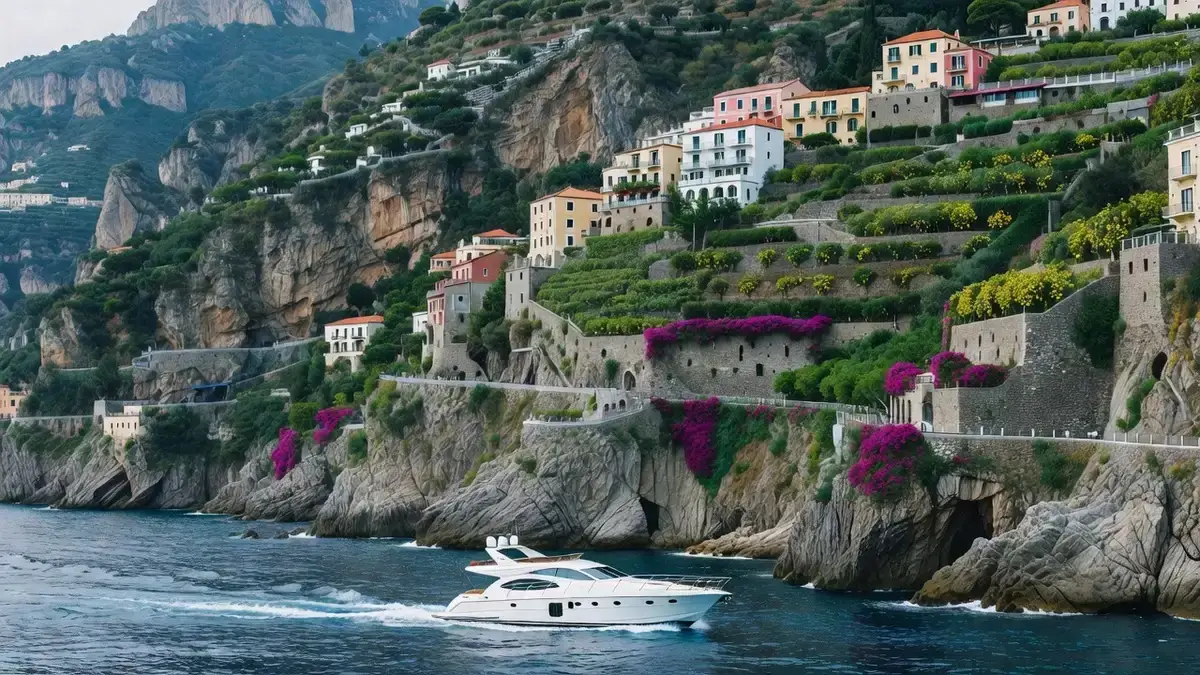
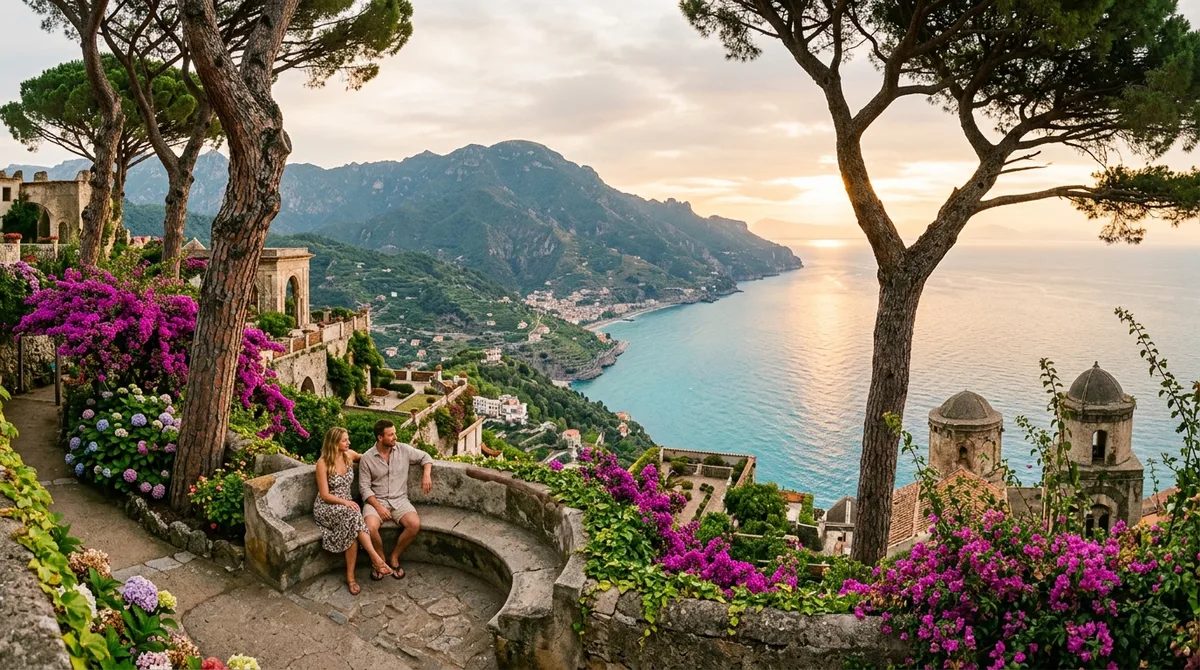
Amalfi in 2 Days Itinerary
How to sequence Amalfi and Ravello for maximum enjoyment.
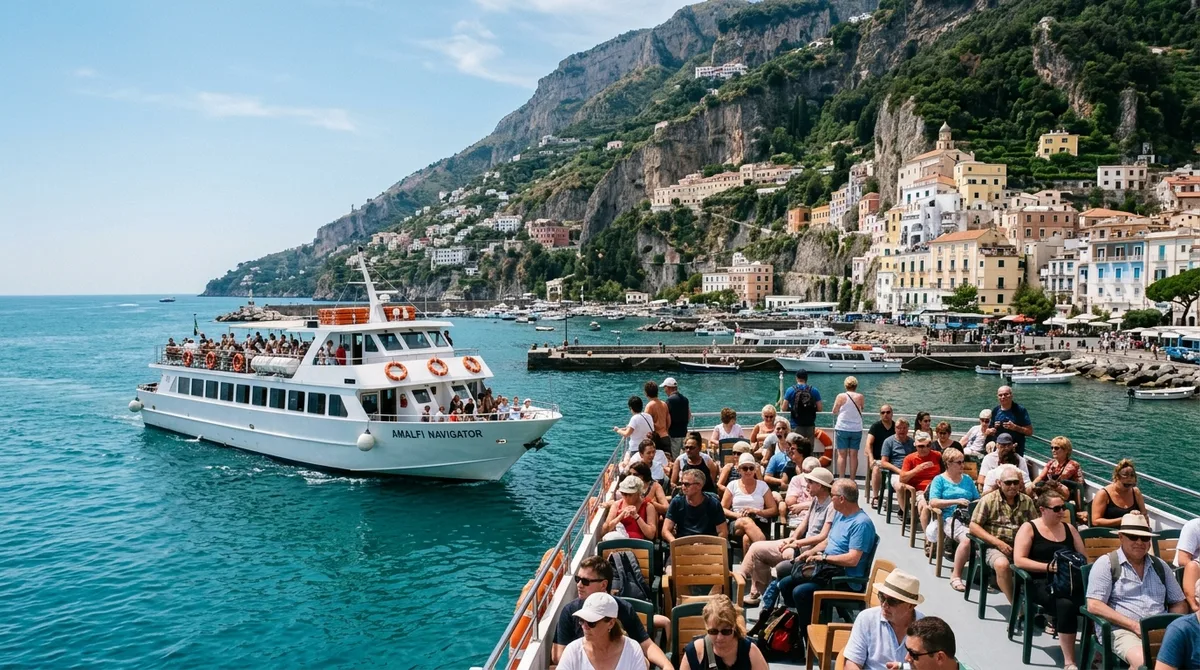
Honest Pros & Cons: Staying in Amalfi vs Positano vs Sorrento
Unvarnished evaluation of transportation advantages, crowd pressures, and scenic beauty across the three major hubs.
| Evaluation Factor | Amalfi Town | Positano | Sorrento |
|---|---|---|---|
| Transit Hub Convenience | Excellent (all buses & ferries intersect here) | Fair (ferry only; buses require steep climbs) | Excellent (high-speed train, Circumvesuviana, ferries) |
| Scenery & Vertical Drama | High (sheer mountain gorge & historic cathedral) | Extremely High (iconic vertical pastel village) | Moderate (flat clifftop with panoramic bay views) |
| Average Hotel Cost | High (€180 – €450 / night) | Extremely High (€350 – €1,200 / night) | Moderate (€120 – €280 / night) |
| Physical Demands (Stairs) | Moderate (flat town center; steep hamlets) | Very High (hundreds of stairs everywhere) | Low (mostly flat pedestrian avenues) |
| Authentic Local Life | Moderate to High (year-round resident population) | Low (almost exclusively seasonal tourism) | High (thriving Italian town with schools & markets) |
An Honest, Unvarnished Appraisal: Expectations vs. Reality
Essential field-tested logistics, verified local guidance, and practical advice for Is Amalfi Worth Visiting? Honest Review of Crowds & Costs.
When Amalfi Exceeds Expectations: The Romance and Maritime Majesty
Amalfi is not merely a pretty resort; it is a legendary medieval maritime republic that once dominated Mediterranean commerce alongside Venice and Genoa. Standing on the stone pier looking back at the town stacked vertically into the mouth of a dramatic mountain canyon, with the glistening gilded facade of the 9th-century cathedral rising above the piazza, is an awe-inspiring travel experience.
The town’s compact pedestrian core makes it remarkably walkable compared to sprawling urban tourist destinations. Evening life around Piazza Duomo—where multi-generational Italian families take their evening stroll (passeggiata) while travelers sip local wine beneath the illuminated cathedral bell tower—captures the timeless romance of southern Italy at its very best.
When Amalfi Disappoints: Overcrowding, Costs & Vertical Exhaustion
Travelers who leave Amalfi disappointed almost invariably make three common mistakes:
1. Visiting in Midsummer Peak Hours: Arriving on a tourist coach at 12:00 in the middle of August guarantees shoulder-to-shoulder crowds, sweltering heat, long queues for gelato, and standing-room-only buses. 2. Bringing Large Wheeled Suitcases: Trying to haul 50-pound roller bags up 150 vertical stone stairs to a hillside rental apartment quickly turns a vacation into exhausting manual labor. 3. Expecting Flat Sandy Beaches: Expecting wide Caribbean sands and finding narrow, crowded pebble coves lined with €50 lido loungers leads to frustration if expectations are not properly set.
Who Should Visit Amalfi (And Who Should Skip It)
Determine whether Amalfi matches your travel personality:
- ✓ Ideal For: Romantic couples, active hikers, cultural history enthusiasts, seafood and wine lovers, and travelers who appreciate dramatic coastal landscapes.
- ✓ Less Suited For: Travelers with severe mobility limitations or knee problems (stairs are ubiquitous), budget backpackers seeking rock-bottom hostel prices, and those who despise crowds during peak summer.
- ✓ How to Guarantee a Magical Stay: Base yourself in Amalfi town for 3 nights in May, June, or September; take passenger ferries rather than buses; and schedule daytime sightseeing during the tranquil early morning hours.
Honest Assessment: Why Amalfi Delivers Where Other Towns Fall Short
A candid appraisal of Amalfi's unique strengths, commercial realities, and overall value.
Unmatched Transit Connectivity: The Strategic Coastal Anchor
Amalfi's single greatest advantage over every other destination on the peninsula is its unmatched multi-modal transit hub. While staying in Positano or Ravello leaves you dependent on single-lane roads or limited ferry berths, Amalfi's harbor connects directly to Positano, Capri, Salerno, Minori, Maiori, and Ischia, while its bus depot connects north to Bomerano and east to Ravello.
Authentic Civic Heritage vs. Pure Resort Towns
Unlike Positano—which was largely converted into a seasonal boutique resort village in the 1950s—Amalfi retains deep historical weight as one of Italy's four supreme medieval Maritime Republics. The town has an authentic working municipal life, permanent resident families, primary schools, active civic organizations, and agricultural traditions in the hills.
Weighing the Drawbacks: Peak Crowds, Heat and Premium Pricing
To appreciate Amalfi honestly, travelers must prepare for midday cruise excursion density between 11:00 and 15:30 in peak summer, steep stone stairs requiring fitness, and premium prices for waterfront dining and beach clubs. Visiting in May, June, September, or October unlocks the town's magic while sidestepping peak frustration.
Strategic Regional Comparison: Amalfi vs. Positano vs. Capri
Essential field-tested logistics, verified local guidance, and practical advice for Is Amalfi Worth Visiting? Honest Review of Crowds & Costs.
Head-to-Head Comparison: Where to Dedicate Your Vacation Days
To make an informed decision for your Italian journey, compare the three premier destinations:
Amalfi Town: The best logistical transit hub, flat waterfront access, deep historical and religious monuments (9th-century cathedral, paper mill), authentic local community, and moderate dining prices.
Positano: Highest visual glamour and vertical drama, world-class beach clubs, high-end fashion boutiques, but extremely steep (thousands of stairs), heavy road congestion, and 40% higher accommodation costs.
Isle of Capri: Roman imperial history (Villa Jovis), glamorous designer shopping, dramatic sea stacks (Faraglioni), but requires boat transit to reach, overcrowded during day-trip hours, and carries the highest lodging rates in southern Italy.
Cruise Tender Waves: Timing the Midday Excursion Rush
Essential field-tested logistics, verified local guidance, and practical advice for Is Amalfi Worth Visiting? Honest Review of Crowds & Costs.
Understanding the Cruise Ship Disembarkation Waves
During peak summer, mid-sized cruise ships anchor offshore in the Gulf of Salerno, sending tender boats to Molo Pennello. Large tour groups disembark in two primary waves: 10:30 AM and 13:30 PM.
By planning your visit to the Cathedral and cloister right at 09:00 AM, or scheduling an early lunch at 12:15 PM, you completely bypass these temporary cruise passenger waves, enjoying wide-open historical spaces and immediate restaurant seating.
2026 Practical Field Guide: Timing, Payments & Local Etiquette for Is Amalfi Worth Visiting
Crucial on-the-ground operational rules, financial realities, and daily visitor protocols to ensure a smooth, rewarding experience at Is Amalfi Worth Visiting.
Optimal Visiting Windows & Peak Crowd Flow at Is Amalfi Worth Visiting
Experiencing Is Amalfi Worth Visiting without overwhelming crowds requires understanding the sharp contrast between day-tripper hours and resident rhythms. Tour buses from Naples and Sorrento arrive along the coastal highway between 10:00 and 10:30, releasing high passenger volumes into public plazas and popular landmarks until approximately 15:30. By contrast, the early morning hours between 07:30 and 09:30 offer tranquil streets, cool temperatures, and pristine photographic light where limestone cliffs glow gold.
During July and August, midday temperatures routinely climb above 34°C (93°F); taking a midday pause in shaded cafes or valley interiors between 12:30 and 15:00 protects you from heat exhaustion while allowing you to enjoy a second sightseeing wave after 16:30 when soft evening breezes (ponente) begin to blow.
Payment Realities, Local ATMs & Avoiding Conversion Surcharges
While European legislation mandates card acceptance for retail purchases, daily life on the Amalfi Coast frequently demands physical euro cash. Municipal public restrooms (€1.00 coin turnstiles), Tabacchi bus ticket counters, coin-operated beach rinse showers, and luggage porter tips operate exclusively on cash. When withdrawing funds, steer completely clear of standalone yellow-and-blue Euronet ATMs positioned near ferry docks and souvenir shops; these third-party terminals employ predatory Dynamic Currency Conversion (DCC) models that impose stealth markups of 11% to 14% on foreign exchange.
Always use official Italian bank branch ATMs (Bancomat) operated by established national institutions such as Intesa Sanpaolo or UniCredit located on main town squares. When prompted by card terminals during restaurant or shop checkouts, always select the option to be charged in local EUR rather than your home billing currency to let your domestic bank handle conversion at interbank exchange rates.
Public Facilities, Modesty Guidelines & Hydration Points
Navigating public spaces around Is Amalfi Worth Visiting requires adherence to civic regulations and cultural norms. Historical religious sanctuaries enforce strict modesty codes: shoulders and knees must be fully covered, and visitors wearing sleeveless tops, crop tops, or short beachwear are turned away at the threshold. Keep a lightweight linen scarf or cotton wrap accessible in your daypack to drape over your body before entering historic buildings.
Municipal bylaws also prohibit walking through town streets or commercial promenades shirtless or solely in swimwear, carrying fines up to €250. Clean municipal public restrooms are situated at primary transit terminals and harbor piers, staffed throughout the day for a €1.00 fee. For hydration, seek out municipal cast-iron drinking fountains (fontanelle) that continuously dispense cold, potable mountain spring water; carrying a reusable stainless steel flask eliminates the need to purchase single-use plastic bottles while ensuring you remain well-hydrated throughout the day.
For a first visit, the simplest way to see the town with all these rules already handled is to book one of the best Amalfi tours, from guided Amalfi walking tours to Amalfi boat tours that leave straight from the harbor.
Regional Transit Coordination & Terrain Navigation: Is Amalfi Worth Visiting
Strategic transport mechanics, luggage management, and topographic realities when exploring Is Amalfi Worth Visiting and adjacent coastal destinations.
Maritime Ferry Logistics & Sea Swell Contingencies
Maritime passenger catamarans operated by Travelmar, NLG, and Positano Jet represent the fastest, most reliable method for traveling between Amalfi and neighboring coastal towns, bypassing highway traffic jams completely. During the April-to-October operating season, passenger ferries run frequent scheduled departures connecting Amalfi to Positano, Capri, Salerno, Minori, and Maiori. Boarding occurs from Molo Pennello, where passengers should queue at least 15 minutes before the departure bell.
However, travelers must monitor maritime conditions: strong southwesterly winds and heavy sea swells (mare agitato) can lead harbor masters to suspend docking at exposed piers like Positano or Amalfi. In such events, transit automatically shifts to inland SITA regional buses, causing bus terminal queues to swell. Maintaining the official SITA bus schedule on your smartphone and booking morning ferry runs—when sea swells are typically lowest—provides reliable travel security.
Luggage Transfers, Porters & Vertical Staircase Realities
The sheer limestone topography of the Amalfi Coast means that reaching hotels, guesthouses, and scenic viewpoints involves ascending dozens or hundreds of steep stone steps (scale). Wheeled suitcases cannot be rolled across ancient irregular cobblestones or up steep stairways. Travelers arriving with full-sized luggage should utilize municipal luggage storage facilities at the port (€5.00 to €8.00 per piece) or coordinate private luggage porter services directly through their accommodation or harbor kiosks (€10.00 to €15.00 per bag).
Professional porters utilize specialized motorized stair-climbing hand trucks or carry bags up steep residential alleys, sparing travelers exhausting physical strain under direct coastal sun. Packing light in carry-on backpacks or compact duffels remains the single most effective way to navigate the vertical layout of coastal settlements.
Footwear Architecture, Heat Safety & Emergency Care Protocols
Walking distances around Is Amalfi Worth Visiting accumulate rapidly, often totaling 10,000 to 16,000 steps per day across uneven stone surfaces, steep inclines, and polished marble steps that become dangerously slick when wet. Smooth leather-soled shoes, flip-flops, and high heels present serious slipping hazards; visitors should wear supportive walking shoes, trail running shoes, or sturdy hiking sandals featuring aggressive rubber tread patterns. In case of unexpected medical emergencies, dial 112 (universal European emergency service) or 118 directly for ambulance dispatch.
The primary local emergency medical clinic (Pronto Soccorso) serving the central coast is located in nearby Castiglione di Ravello, equipped with bilingual medical staff, diagnostic equipment, and triage units. Local pharmacies (farmacie) in central squares rotate emergency night shifts and can dispense over-the-counter remedies for motion sickness, dehydration, and minor sprains.
Frequently Asked Questions About Visiting Amalfi
Is Amalfi better than Positano?
For history, ease of walking, and public transport connectivity, Amalfi is noticeably better than Positano. Positano offers a more iconic clifftop pastel skyline for photography, but has significantly higher hotel prices and punishing vertical stairs.
How many days should you spend in Amalfi?
Two to three days is the ideal duration. This gives you ample time to explore Amalfi town, ascend to Ravello, take a boat trip to Capri or Positano, and hike without rushing.
Is Amalfi very expensive?
Amalfi is expensive compared to Southern Italy as a whole, with hotels averaging €200–€400/night in season. However, museum entries are inexpensive (€3 to €5), pizza and street food are affordable (€10–€15), and public ferries cost just €10.
What is the worst month to visit Amalfi?
August is the most challenging month: extreme heat, intense crowds, and packed ferries coincide with the Italian Ferragosto summer holiday. November to March is rainy with most hotels and ferry routes closed.
Do people speak English in Amalfi?
Yes. English is fluently spoken across all hotels, restaurants, ferry ticket kiosks, and tour operations in Amalfi.
Is Amalfi better to visit than Positano?
Amalfi is significantly flatter, more historically substantial, less expensive, and far superior as a transit hub for day trips to Ravello, Capri, and Pompeii. Positano is more dramatic visually and offers higher glamour and fashion, but is steeper, more expensive, and harder to navigate.
Should I choose Amalfi or Positano for my trip?
Choose Amalfi if you value easier transport connectivity, deeper historical landmarks, lower accommodation prices, and a more authentic Italian town vibe. Choose Positano if your primary goals are cliffside luxury aesthetics, boutique shopping, and lively nightlife.
How many days should you spend based in Amalfi?
Three to four days is ideal. This allows one full day for Amalfi and Atrani, one day for Ravello's gardens, one day for an excursion to Capri or Positano by boat, and one day for hiking the Path of the Gods or Valle delle Ferriere.
Is Amalfi worth visiting on a cruise ship shore excursion?
Yes, but allocate at least 5 hours in town. The 90-minute bus transfer from Naples or Salerno consumes significant time, so focus your limited hours on the Cathedral of St. Andrew, the Paper Museum, and a harborside seafood lunch.
What is the best way to handle tipping at Is Amalfi Worth Visiting?
Tipping is not mandatory in Italy. Most sit-down establishments include a per-person cover charge (coperto) of €2.00 to €4.00 on the final bill for bread and table setting. Leaving 5% to 10% in cash for attentive service or rounding up the bill by a few euros is a generous and appreciated gesture, but it is never expected or demanded.
Can you use international credit cards everywhere near Is Amalfi Worth Visiting?
Visa and Mastercard are accepted at virtually all hotels, sit-down restaurants, boutiques, and ferry ticket windows. However, American Express is occasionally declined by small family-run trattorias. Always carry €40.00 to €60.00 in small euro banknotes for bus tickets, espresso bars, and public restrooms.
How do you check for scheduled transport strikes (sciopero) affecting Is Amalfi Worth Visiting?
Italian transit unions occasionally stage 24-hour general strikes (sciopero). By Italian law, minimum guaranteed service windows (fasce di garanzia) operate between 06:00–09:00 and 18:00–21:00. Check the official Ministry of Infrastructure and Transport (MIT) strike calendar online or ask your hotel reception 24 hours prior to long travel days.
Prices, hours and terms are set by the venue or operator and confirmed at checkout.
We may earn a commission if you book through one of our links, at no extra cost to you. Full affiliate disclosure