 Amalfi City Guide
Best Time to Visit Amalfi: Weather, Crowds & Month-by-Month Guide
The best time to visit amalfi is during the shoulder months of May to June and late September to October: daytime temperatures hover comfortably between 22°C and 27°C (72°F–81°F), the sea is warm enough for swimming, and scheduled passenger ferries run full daily timetables without the overwhelming peak crowds and €400+ hotel rates of July and August. Seasonal transport schedules are outlined on our ferry guide, while broader travel planning, including the best things to do in Amalfi by season, sits on what to do in Amalfi.
Quick answer Top months to visit and seasonal differences
May, June, and September are the three premier months to visit Amalfi. You enjoy warm sunny weather, pleasant sea swimming, all restaurants and ferries in full operation, and manageable crowds compared to August.
Key takeaways
- September is arguably the single best month: the sea has been warmed by summer heat, evenings are mild, and tourist volume drops sharply after school resumes.
- Avoid July and August if you dislike intense heat (32°C+/90°F+), packed public buses, and peak hotel pricing.
- April and October are wonderful for active hiking on the Valle delle Ferriere and Path of the Gods, though sea water is brisk in early April.
Amalfi Coast Weather, Sea Temperatures & Conditions by Month
Historical climate averages and practical visiting conditions in Amalfi across every travel season.
| Month | Air Temp (High / Low) | Sea Temperature | Crowd Level | Ferry Status |
|---|---|---|---|---|
| April | 18°C / 10°C (64°F / 50°F) | 16°C (61°F) — Brisk | Low to Moderate | Ferry service starts April 1 |
| May | 23°C / 14°C (73°F / 57°F) | 19°C (66°F) — Refreshing | Moderate | Full daily timetables |
| June | 27°C / 18°C (81°F / 64°F) | 23°C (73°F) — Ideal | High | Full daily timetables |
| July & August | 31°C / 22°C (88°F / 72°F) | 26°C (79°F) — Warm | Peak / Saturated | Maximum frequency (pre-book) |
| September | 27°C / 18°C (81°F / 64°F) | 25°C (77°F) — Outstanding | Moderate to High | Full daily timetables |
| October | 22°C / 14°C (72°F / 57°F) | 22°C (72°F) — Pleasant | Moderate | Service ends October 31 |
| Nov–March | 13°C / 7°C (55°F / 45°F) | 15°C (59°F) — Cold | Very Low / Quiet | Paused (Bus transit only) |
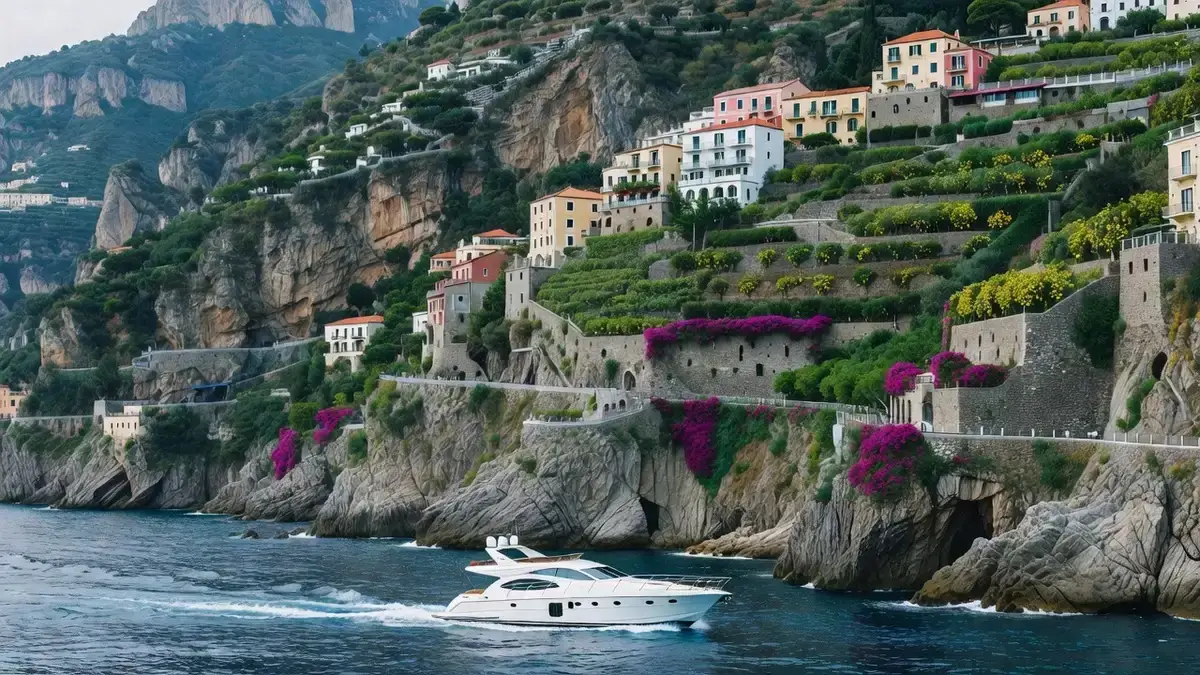
Warm late afternoon Mediterranean sunlight illuminating Amalfi and the coastline in early autumn
 from $42.00
Amalfi: Lemon Tour & Limoncello Tasting at Historic Terraced Grove
2-hour walk through vertical family-owned lemon groves above Amalfi, concluding with artisan limoncello and organic lemon cake tasting on a shaded terrace.
Check Availability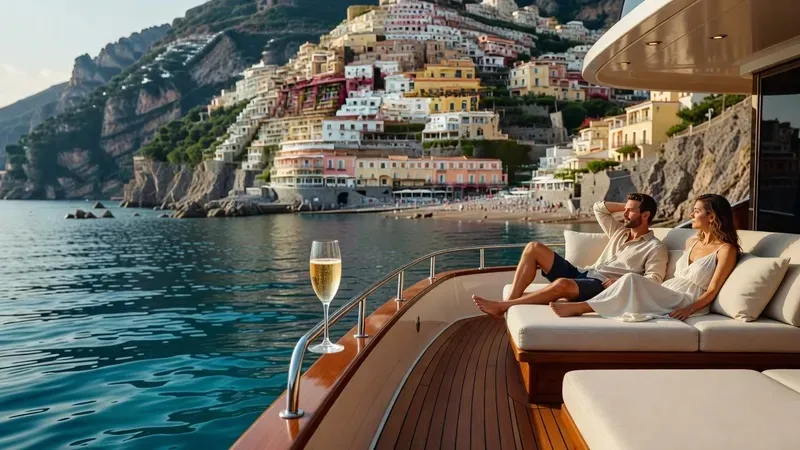 from $75.00
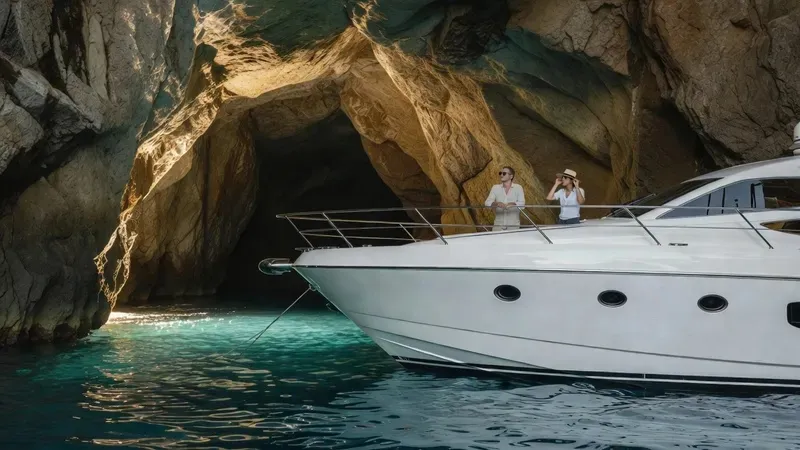
Amalfi to Positano & Emerald Grotto: Coastal Boat Cruise with Swimming
4-hour small-group boat cruise from Amalfi Molo Pennello past Furore Fjord to Positano with swim stops, snorkeling masks, and chilled prosecco.
Check Availability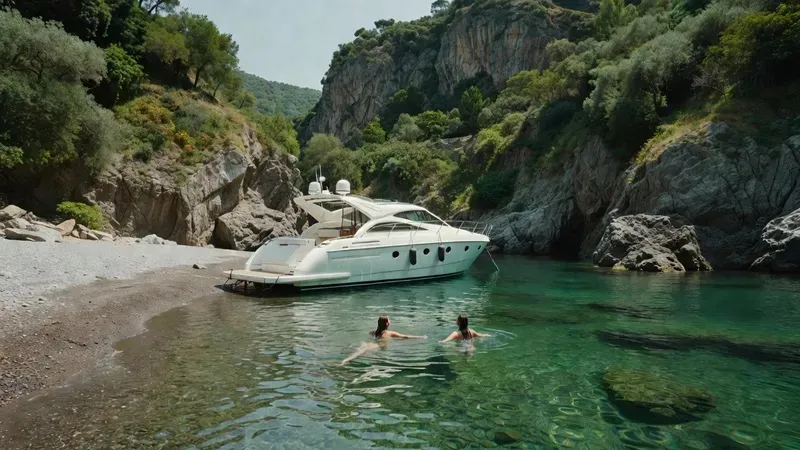 from $55.00
Path of the Gods (Sentiero degli Dei) Guided Cliffside Trek
4.5-hour guided hike along the world-famous cliff path from Bomerano to Nocelle with certified alpine guide, walking poles, and shepherd snack stop.
Check AvailabilityPrices, ratings and details are the platform's own. Dollar figures are the listed prices. The platform bills in your account's currency.
Season-by-Season Visiting Guide for Amalfi
Essential context, operational principles, and field-tested advice for understanding season-by-season visiting guide for amalfi.
Spring (April to May): Wildflowers, Hiking & Opening Season
Spring heralds the revival of coastal tourism. Seasonal ferry companies (Travelmar, NLG, Positano Jet) resume operations on April 1, reconnecting Amalfi with Positano, Capri, and Salerno. Terraced lemon groves bloom with fragrant white citrus flowers (zagara), and coastal cliffs are draped in purple wisteria and bougainvillea.
Daytime highs average 18°C (64°F) in April and reach a comfortable 23°C (73°F) by late May. While the Tyrrhenian Sea remains brisk (16°C–19°C / 61°F–66°F) for prolonged swimming, spring offers ideal climate conditions for hiking the Path of the Gods and Valle delle Ferriere without summer heat exhaustion.
Summer (June to August): Peak Sun, Sea Swimming & Heavy Crowds
Summer delivers guaranteed sunshine, azure waters, and lively nightlife, but at a substantial premium. Temperatures regularly exceed 32°C (90°F) in July and August, compounded by high coastal humidity. Sea temperatures climb to a bath-warm 26°C (79°F).
However, tourist density reaches extreme saturation: the SS163 coastal road suffers severe gridlock, SITA buses leave passengers waiting at stops, and hotel rates hit peak levels ($350–$700/night). The two-week period around the Ferragosto holiday (August 15) represents maximum crowding across Italy. If traveling in summer, book accommodations and ferries months ahead, and rely strictly on sea transport.
Autumn (September to October): The Connoisseur's Sweet Spot
Late September through mid-October is widely regarded by seasoned travelers as the absolute sweet spot for Amalfi. The Mediterranean maintains the stored heat of summer, keeping sea temperatures at an inviting 22°C–25°C (72°F–77°F), while daytime air temperatures moderate to a balmy 24°C–27°C (75°F–81°F). The mass crowds of July and August dissipate once European schools reopen in early September.
Tables at popular trattorias become accessible without weeks of advance planning, and evening strolls through Piazza Duomo feel relaxed and atmospheric.
Winter (November to March): Solitude, Patron Festivals & Operating Status
From November 1 until Easter, the Amalfi Coast enters deep winter slumber. Scheduled passenger ferries stop running, beach club umbrellas disappear, and roughly 60% of hotels and restaurants close for annual renovations. However, Amalfi remains an active civic community.
SITA buses run on winter schedules, the Duomo di Amalfi remains open daily, and the town celebrates historic patron festivals, including the dramatic Festa di Sant'Andrea on November 30. For travelers seeking solitude, stormy seascape photography, and modest hotel rates ($90–$140/night), off-season Amalfi has quiet authenticity.
Seasonal Highlights Map
Key seasonal landmarks around Amalfi.
Related Travel Planning Guides
Complete your Amalfi itinerary planning.
Where to Stay
How to select base towns and hotels for your preferred travel month.
Hotel guideGetting Around
Seasonal ferry timetables and regional bus transport rules.
Transport guideAmalfi Coast Monthly Weather, Sea Temperatures & Tourist Volume
Month-by-month analysis of air temperatures, swimming conditions, rain days, and ferry operational status.
| Month | Daytime Air Temp | Sea Water Temp | Rain Days | Tourist Volume & Ferry Operations |
|---|---|---|---|---|
| April | 18°C (64°F) | 15°C (59°F) | 8 days | Moderate; ferry service begins April 1; wildflowers bloom across cliffs. |
| May | 23°C (73°F) | 18°C (64°F) | 5 days | High; ideal hiking weather; comfortable swimming starts late May. |
| June | 27°C (81°F) | 22°C (72°F) | 3 days | Very High; warm sea, lively beach club season; book hotels months ahead. |
| July – August | 31°C (88°F) | 25°C (77°F) | 2 days | Peak Gridlock; high heat, packed ferries, highest hotel tariffs. |
| September | 26°C (79°F) | 24°C (75°F) | 5 days | High; glorious warm water, diminishing family crowds; premier month. |
| October | 21°C (70°F) | 21°C (70°F) | 8 days | Moderate; ferries run until October 31; mild hiking temperatures. |
| November – March | 13°C (55°F) | 15°C (59°F) | 11 days | Very Low; ferries suspended; 70% of hotels & restaurants closed for winter. |
Seasonal Analysis: The Sweet Spots vs. Midsummer Gridlock
Essential field-tested logistics, verified local guidance, and practical advice for Best Time to Visit Amalfi: Weather, Crowds & Months.
The Golden Months: Why May and September Reign Supreme
If you have complete flexibility over your travel dates, target May or September as the ultimate times to visit the Amalfi Coast:
May: Daytime highs hover around a comfortable 23°C (73°F). Mountain meadows along the Path of the Gods are blanketed in purple wild cyclamen and yellow broom flowers. All seasonal passenger ferries, beach lidos, and cliffside restaurants have just opened, and hospitality staff are relaxed and enthusiastic.
September: The Mediterranean Sea reaches its peak annual water temperature (24°C–26°F), feeling like a heated bath. The crushing crush of Italian August vacationers has departed, evening temperatures are balmy for al fresco dining, and the golden autumn light creates spectacular sunset vistas.
The Winter Reality: November Through March
Visiting Amalfi during the off-season offers an authentic glimpse into genuine local village life, but comes with significant practical constraints:
Pros: Piazza Duomo is wonderfully empty, locals greet you warmly in cafes, room rates at year-round guesthouses are discounted up to 70%, and you can experience the festive Christmas atmosphere with traditional living Nativity scenes (presepi).
Cons: Regular passenger ferries do not operate; all transit relies on SITA buses along the winding highway. More than 75% of tourist-oriented boutique hotels, beach clubs, and fine-dining trattorias close their doors for annual winter holidays and renovations. Winter brings heavy Mediterranean rainstorms with rough seas that can last several days.
Packing Checklist by Season
How to dress across the seasons on the Amalfi Coast:
- ✓ Summer (June–August): Breathable linen shirts, lightweight dresses, wide-brim sun hats, UV-blocking sunglasses, and high-SPF sunscreen.
- ✓ Shoulder Season (May & September–October): Light layers, cotton cardigans for evening sea breezes, comfortable walking sneakers, and swimsuits for warm afternoons.
- ✓ Winter (November–March): Windproof waterproof jacket, warm wool layers, umbrella, and waterproof footwear for wet stone steps.
Seasonal Breakdown: Balancing Weather, Sea Swimming & Tourist Volume
Determining the ideal month to visit the Amalfi Coast based on your travel priorities.
May and September: The Optimal Shoulder Season Sweet Spot
May and September represent the gold standard for visiting the Amalfi Coast. In May, hillsides are lush with blossoming wildflowers, days are pleasantly warm (22°C–25°C), and ferry schedules are in full swing without summer gridlock. In September, the Mediterranean Sea retains peak summer warmth (25°C) from months of sun, but tourist crowds thin out significantly after schools resume.
July and August: Peak Summer Heat, Surcharges and Congestion
July and August bring relentless sunshine, bustling beach clubs, and lively coastal nightlife, but also extreme midday heat (often exceeding 35°C / 95°F), packed ferries, hotel rate surges of 50% to 100%, and gridlocked coastal roads. If visiting during peak summer, reserve all ferries, beach loungers, and dining weeks in advance.
October to April: Autumn Transition and Quiet Winter Solitude
October offers mild weather and pleasant hiking temperatures, though sea conditions become unpredictable by late October. From November through March, the coast enters deep hibernation: 80% of hotels, lidos, and restaurants close, passenger ferries stop running, and towns return to their tranquil resident-only roots.
Microclimates, Sea Breezes & Coastal Weather Anomalies
Essential field-tested logistics, verified local guidance, and practical advice for Best Time to Visit Amalfi: Weather, Crowds & Months.
Understanding the Monti Lattari Rain Shadow and Winds
The towering 1,400-meter peaks of the Monti Lattari range create a powerful meteorological rain shadow over Amalfi. Rainstorms approaching from northern Italy and the Bay of Naples are frequently blocked by the mountain barrier, leaving the southern cliff face of Amalfi warm and sunny while Naples experiences overcast skies.
Conversely, strong southern winds (Scirocco) blowing off North Africa bring high humidity, warm sea swells, and occasionally red Saharan desert dust that temporarily hazes coastal visibility and prompts ferry cancellations.
2026 Practical Field Guide: Timing, Payments & Local Etiquette for Best Time To Visit
Crucial on-the-ground operational rules, financial realities, and daily visitor protocols to ensure a smooth, rewarding experience at Best Time To Visit.
Optimal Visiting Windows & Peak Crowd Flow at Best Time To Visit
Experiencing Best Time To Visit without overwhelming crowds requires understanding the sharp contrast between day-tripper hours and resident rhythms. Tour buses from Naples and Sorrento arrive along the coastal highway between 10:00 and 10:30, releasing high passenger volumes into public plazas and popular landmarks until approximately 15:30. By contrast, the early morning hours between 07:30 and 09:30 offer tranquil streets, cool temperatures, and pristine photographic light where limestone cliffs glow gold.
During July and August, midday temperatures routinely climb above 34°C (93°F); taking a midday pause in shaded cafes or valley interiors between 12:30 and 15:00 protects you from heat exhaustion while allowing you to enjoy a second sightseeing wave after 16:30 when soft evening breezes (ponente) begin to blow.
Payment Realities, Local ATMs & Avoiding Conversion Surcharges
While European legislation mandates card acceptance for retail purchases, daily life on the Amalfi Coast frequently demands physical euro cash. Municipal public restrooms (€1.00 coin turnstiles), Tabacchi bus ticket counters, coin-operated beach rinse showers, and luggage porter tips operate exclusively on cash. When withdrawing funds, steer completely clear of standalone yellow-and-blue Euronet ATMs positioned near ferry docks and souvenir shops; these third-party terminals employ predatory Dynamic Currency Conversion (DCC) models that impose stealth markups of 11% to 14% on foreign exchange.
Always use official Italian bank branch ATMs (Bancomat) operated by established national institutions such as Intesa Sanpaolo or UniCredit located on main town squares. When prompted by card terminals during restaurant or shop checkouts, always select the option to be charged in local EUR rather than your home billing currency to let your domestic bank handle conversion at interbank exchange rates.
Public Facilities, Modesty Guidelines & Hydration Points
Navigating public spaces around Best Time To Visit requires adherence to civic regulations and cultural norms. Historical religious sanctuaries enforce strict modesty codes: shoulders and knees must be fully covered, and visitors wearing sleeveless tops, crop tops, or short beachwear are turned away at the threshold. Keep a lightweight linen scarf or cotton wrap accessible in your daypack to drape over your body before entering historic buildings.
Municipal bylaws also prohibit walking through town streets or commercial promenades shirtless or solely in swimwear, carrying fines up to €250. Clean municipal public restrooms are situated at primary transit terminals and harbor piers, staffed throughout the day for a €1.00 fee. For hydration, seek out municipal cast-iron drinking fountains (fontanelle) that continuously dispense cold, potable mountain spring water; carrying a reusable stainless steel flask eliminates the need to purchase single-use plastic bottles while ensuring you remain well-hydrated throughout the day.
Once you know how to dress and move through town respectfully, browsing the best Amalfi walking tours and Amalfi boat tours is an easy next step for planning your visit.
Regional Transit Coordination & Terrain Navigation: Best Time To Visit
Strategic transport mechanics, luggage management, and topographic realities when exploring Best Time To Visit and adjacent coastal destinations.
Maritime Ferry Logistics & Sea Swell Contingencies
Maritime passenger catamarans operated by Travelmar, NLG, and Positano Jet represent the fastest, most reliable method for traveling between Amalfi and neighboring coastal towns, bypassing highway traffic jams completely. During the April-to-October operating season, passenger ferries run frequent scheduled departures connecting Amalfi to Positano, Capri, Salerno, Minori, and Maiori. Boarding occurs from Molo Pennello, where passengers should queue at least 15 minutes before the departure bell.
However, travelers must monitor maritime conditions: strong southwesterly winds and heavy sea swells (mare agitato) can lead harbor masters to suspend docking at exposed piers like Positano or Amalfi. In such events, transit automatically shifts to inland SITA regional buses, causing bus terminal queues to swell. Maintaining the official SITA bus schedule on your smartphone and booking morning ferry runs—when sea swells are typically lowest—provides reliable travel security.
Luggage Transfers, Porters & Vertical Staircase Realities
The sheer limestone topography of the Amalfi Coast means that reaching hotels, guesthouses, and scenic viewpoints involves ascending dozens or hundreds of steep stone steps (scale). Wheeled suitcases cannot be rolled across ancient irregular cobblestones or up steep stairways. Travelers arriving with full-sized luggage should utilize municipal luggage storage facilities at the port (€5.00 to €8.00 per piece) or coordinate private luggage porter services directly through their accommodation or harbor kiosks (€10.00 to €15.00 per bag).
Professional porters utilize specialized motorized stair-climbing hand trucks or carry bags up steep residential alleys, sparing travelers exhausting physical strain under direct coastal sun. Packing light in carry-on backpacks or compact duffels remains the single most effective way to navigate the vertical layout of coastal settlements.
Footwear Architecture, Heat Safety & Emergency Care Protocols
Walking distances around Best Time To Visit accumulate rapidly, often totaling 10,000 to 16,000 steps per day across uneven stone surfaces, steep inclines, and polished marble steps that become dangerously slick when wet. Smooth leather-soled shoes, flip-flops, and high heels present serious slipping hazards; visitors should wear supportive walking shoes, trail running shoes, or sturdy hiking sandals featuring aggressive rubber tread patterns. In case of unexpected medical emergencies, dial 112 (universal European emergency service) or 118 directly for ambulance dispatch.
The primary local emergency medical clinic (Pronto Soccorso) serving the central coast is located in nearby Castiglione di Ravello, equipped with bilingual medical staff, diagnostic equipment, and triage units. Local pharmacies (farmacie) in central squares rotate emergency night shifts and can dispense over-the-counter remedies for motion sickness, dehydration, and minor sprains.
Frequently Asked Questions about Amalfi Timing
What is the single best month to visit Amalfi?
September is widely considered the best month: sea water is at its warmest (25°C/77°F), air temperatures are pleasant (26°C), all ferries run full schedules, and summer crowds diminish.
Can you swim in Amalfi in October?
Yes. Sea temperatures throughout early to mid-October remain around 22°C (72°F), which is very comfortable for swimming on sunny afternoons.
Is Amalfi crowded in May?
May sees moderate visitor volume, but town centers and beach clubs are significantly less congested than in July and August.
Is Amalfi worth visiting in the winter?
Yes, if you enjoy peaceful coastal hiking, local culture, and quiet town life. However, ferries do not run and beach clubs are closed.
When do ferries start and stop running in Amalfi?
Passenger ferries run from April 1 to October 31 each year. In winter, transport operates via regional SITA buses.
Can you swim in the sea in Amalfi in October?
Yes. Sea water retains summer warmth through the first three weeks of October (averaging 21°C–22°C / 70°F–72°F), making swimming very pleasant on sunny afternoons before beach clubs pack up their umbrellas for the winter.
When is the Ferragosto holiday and should I avoid it?
Ferragosto takes place on August 15th and anchors the two-week national holiday period when millions of Italians travel to the coast. Expect maximum hotel pricing, jammed highways, crowded beaches, and mandatory advance restaurant bookings.
When does the Amalfi Coast passenger ferry season operate?
Scheduled passenger ferry networks (Travelmar, Positano Jet, NLG) commence service on April 1 (or the week before Easter) and conclude operations on October 31. Winter transit depends entirely on SITA buses.
Can you swim in the sea in October or April?
In October, the sea remains comfortably warm (around 22°C / 72°F) from summer heat, making swimming pleasant on sunny days. In April, the water is crisp and brisk (around 16°C / 61°F), suitable mainly for quick dips.
What is the rainiest month in Amalfi?
November is statistically the wettest month on the Amalfi Coast, followed by December and January, characterized by occasional intense Mediterranean thunderstorms and rough seas.
What is the best way to handle tipping at Best Time To Visit?
Tipping is not mandatory in Italy. Most sit-down establishments include a per-person cover charge (coperto) of €2.00 to €4.00 on the final bill for bread and table setting. Leaving 5% to 10% in cash for attentive service or rounding up the bill by a few euros is a generous and appreciated gesture, but it is never expected or demanded.
Can you use international credit cards everywhere near Best Time To Visit?
Visa and Mastercard are accepted at virtually all hotels, sit-down restaurants, boutiques, and ferry ticket windows. However, American Express is occasionally declined by small family-run trattorias. Always carry €40.00 to €60.00 in small euro banknotes for bus tickets, espresso bars, and public restrooms.
How do you check for scheduled transport strikes (sciopero) affecting Best Time To Visit?
Italian transit unions occasionally stage 24-hour general strikes (sciopero). By Italian law, minimum guaranteed service windows (fasce di garanzia) operate between 06:00–09:00 and 18:00–21:00. Check the official Ministry of Infrastructure and Transport (MIT) strike calendar online or ask your hotel reception 24 hours prior to long travel days.
Prices, hours and terms are set by the venue or operator and confirmed at checkout.
We may earn a commission if you book through one of our links, at no extra cost to you. Full affiliate disclosure