 Amalfi City Guide
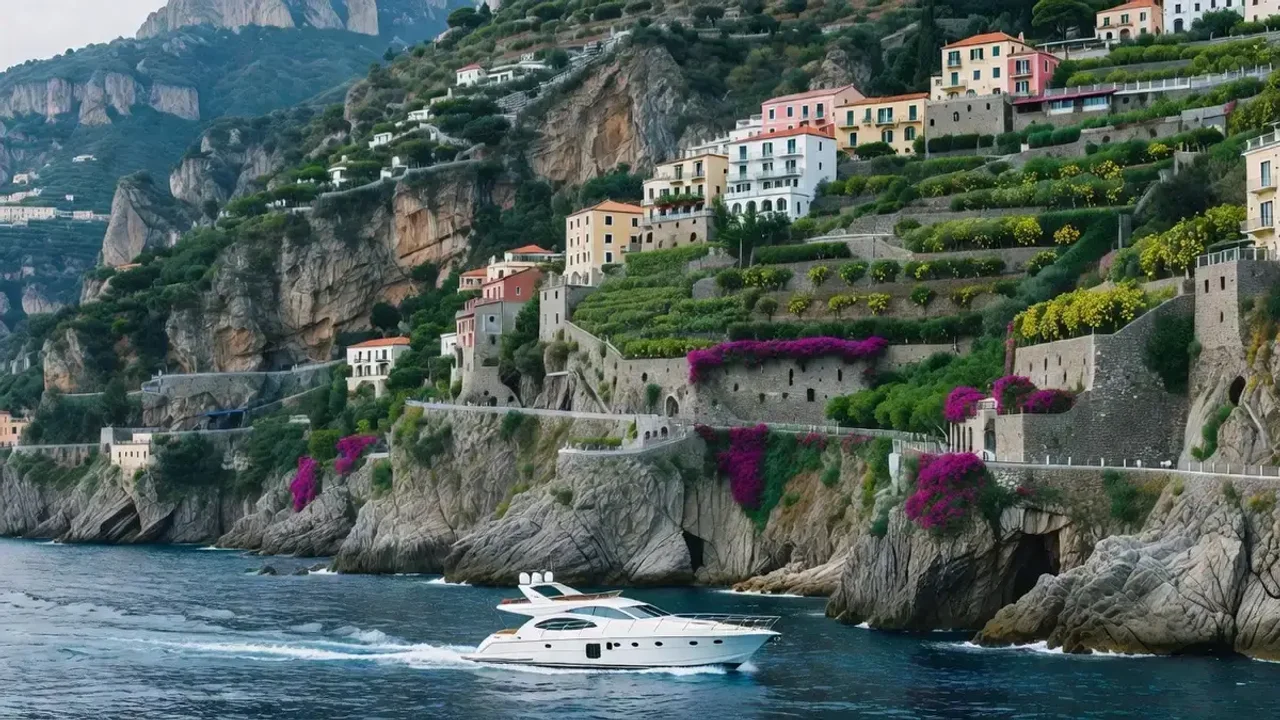
Amalfi Food Tours: Cooking Classes, Lemon Groves & Wine Tastings
Taking part in amalfi food tours immerses you into the agricultural soul of the coast: rolling fresh egg pasta in a clifftop farmhouse kitchen, plucking fragrant lemons directly from vertical pergolas, or touring ancient cellars holding 300-year-old pre-phylloxera vines. Rather than passive dining, these experiences provide direct access to generational growers, master pizzaioli, and passionate local chefs. Compare the catalogue of the best Amalfi tours on our Amalfi tours page and our Amalfi restaurant guide.
Quick answer Top 3 culinary experiences in Amalfi
Choose a clifftop pasta-making class for hands-on technique, a lemon grove tour in the Valle dei Mulini for quick afternoon tasting, or a Tramonti vineyard excursion to discover rare ungrafted wines.
Key takeaways
- Hands-on pasta classes include rolling tagliatelle and making tiramisu from scratch, followed by lunch with local wine.
- Lemon tours in Amalfi take you into vertical terraced groves to taste authentic limoncello, lemon cake, and honey.
- Wine excursions head 20 minutes inland to Tramonti, where volcanic soils spared ancient Tintore grapevines from phylloxera.
Top Amalfi Culinary Experiences Compared
Verified comparison of culinary workshops, tastings, durations, and participant caps in Amalfi.
| Experience Type | Duration | Price / Person | What Is Included | Group Cap |
|---|---|---|---|---|
| Clifftop Pasta & Tiramisu Class | 3 hours | $95.00 (€82.00) | Fresh pasta prep, 2 sauces, tiramisu, estate lunch, wine | Max 8 guests |
| Lemon Grove Tour & Tasting | 2 hours | $42.00 (€36.00) | Terrace walk, artisan limoncello, lemon cake, museum | Max 12 guests |
| Pizza Making Workshop | 2.5 hours | $72.00 (€62.00) | Dough kneading, wood-oven baking, beer/wine, certificate | Max 10 guests |
| Tramonti Vineyard & Wine Tasting | 4 hours | $88.00 (€76.00) | Century-old vines, 4 DOC wine tastings, 3-course lunch, transfer | Max 12 guests |
Outdoor cooking class table overlooking Amalfi coast with fresh pasta dough, tomatoes, and regional wine
 from $42.00
Amalfi: Lemon Tour & Limoncello Tasting at Historic Terraced Grove
2-hour walk through vertical family-owned lemon groves above Amalfi, concluding with artisan limoncello and organic lemon cake tasting on a shaded terrace.
Check Availability from $95.00
Amalfi Clifftop Farmhouse Cooking Class: Handmade Pasta & Tiramisu
3-hour hands-on cooking class in an Amalfi cliffside estate: roll fresh pasta dough, make two sauces, assemble authentic tiramisu, and feast with local wine.
Check Availability from $72.00
Authentic Pizza Making Class & Limoncello Tasting in Amalfi
2.5-hour evening pizza workshop in Amalfi: master yeast fermentation, dough tossing, wood-oven baking, appetizers, and limoncello tasting.
Check Availability from $88.00
Tramonti & Amalfi Hills Century-Old Vineyard Tour & Wine Tasting
4-hour mountain vineyard excursion from Amalfi: explore 300-year-old ungrafted vines, tour historic oak cellars, and enjoy 4 DOC wines paired with farmhouse lunch.
Check AvailabilityPrices, ratings and details are the platform's own. Dollar figures are the listed prices. The platform bills in your account's currency.
What to Expect on an Amalfi Cooking Class
A culinary class in Amalfi is an immersive cultural experience rather than a sterile restaurant kitchen demonstration. Most classes take place on private family estates or restored farmhouses tucked high into the cliffs above the sea.
Classes begin with an espresso and a short walk through the property's vegetable garden (orto) to pick fresh basil, San Marzano tomatoes, and sweet lemons. You then don aprons and work on heavy wooden tables, learning how to make pasta dough from semolina flour and farm-fresh eggs using only a fork and your hands.
After rolling and hand-cutting tagliatelle or filling ravioli capresi, you learn the chemistry of classic Italian tiramisu: whipping egg yolks with mascarpone cheese and layering Savoiardi biscuits dipped in fresh espresso. Once the dishes are cooked, participants gather around a communal outdoor dining table under lemon pergolas to feast on their creations paired with chilled regional Falanghina and Aglianico wines.
Related Planning Resources
Where to Eat Guide
Recommended trattorias, seafood specialties, and sweet spots in Amalfi.
Things to Do in Amalfi
Complete catalog of sights, historic monuments, and coastal trails.

Amalfi Coast Tours
Boat charters, island cruises, and hiking adventures compared.
Amalfi Coast Food & Wine Experiences Compared (2026)
Comparison of hands-on pasta cooking classes, lemon grove tastings, and mountain vineyard excursions.
| Experience / Tour | Duration | Cost per Person | Location / Departure | What You Will Taste & Learn |
|---|---|---|---|---|
| Amalfi Lemon Grove & Limoncello Walk | 2 hours | €38.00 – €50.00 | Upper Valle dei Mulini grove | Tour organic Sfusato lemon terraces; taste fresh lemonade, lemon cake & artisan limoncello. |
| Traditional Pasta & Tiramisu Masterclass | 3.5 hours | €85.00 – €120.00 | Cliffside farmhouse in Pontone | Hand-roll authentic scialatielli and tagliolini; whip classic mascarpone tiramisu with local wine. |
| Tramonti Ancient Vineyard & Wine Tasting | 4 hours | €75.00 – €110.00 | Historic cellars in Tramonti valley | Taste pre-phylloxera Tintore and Piedirosso wines paired with aged Provolone del Monaco cheese. |
| Cetara Anchovy & Colatura Gastronomy Walk | 3 hours | €55.00 – €75.00 | Fishing village of Cetara | Visit historic salting barrels (terzigni) and savor spaghetti with ancient Roman colatura essence. |
Agricultural Traditions: Limoneti, Mozzarella & Artisan Cellars
Essential field-tested logistics, verified local guidance, and practical advice for Amalfi Food Tours: Cooking Classes, Lemons & Wine.
The Lemon Tour: Inside the Historic Aceto Estate
The Aceto family has cultivated organic Sfusato Amalfitano lemons in the Valle dei Mulini since 1825. Taking their guided lemon tour (Amalfi Lemon Tour) provides an intimate look into centuries-old agricultural techniques that preserve the fragile mountain slopes.
Visitors walk beneath high wooden pergolas heavy with bright yellow fruit, visit the family’s traditional distillation workshop to observe how pure grain alcohol extracts natural lemon oils from the yellow rinds, and conclude with a tasting of homemade lemon cake, savory lemon salad with mint and garlic, and chilled Limoncello.
High-Altitude Mozzarella in the Monti Lattari
The mountain plateau of Agerola, perched 600 meters above Amalfi, takes its name from the Latin Montes Lactarii (Milk Mountains). For over two millennia, cattle grazing on aromatic wild herbs on these limestone slopes have produced Italy’s premier cow’s milk cheeses:
Fior di Latte di Agerola: A fresh, high-moisture mozzarella with a delicate milky flavor and tender elasticity, prized by master pizza chefs across Naples.
Provolone del Monaco DOP: A semi-hard, melon-shaped aged cheese aged in mountain caves for up to 18 months, featuring a buttery richness and a sharp, piquant finish. Visiting an artisan dairy (caseificio) in Agerola lets you watch cheesemakers hand-braid warm curd into glossy mozzarella braids.
Food Tour Etiquette & Booking Advice
Tips for reserving culinary excursions:
- ✓ Reserve 2–3 Weeks Ahead: Boutique cooking classes and family farm visits limit group sizes to 6–10 participants and sell out quickly in peak season.
- ✓ Dietary Accommodations: Traditional Campania cooking relies heavily on seasonal vegetables (tomatoes, eggplants, zucchini), making it naturally friendly for vegetarians; notify hosts in advance for gluten-free adjustments.
- ✓ Footwear for Farm Tours: Lemon orchards feature steep, uneven stone steps and dirt terraces; wear closed-toe walking shoes rather than sandals.
Evaluating Amalfi Culinary Tours: Lemon Groves, Vineyards & Cooking Classes
Choosing between agricultural farm tours, cliffside winery excursions, and hands-on pasta workshops.
The Salvatore Aceto Lemon Farm Experience in Valle dei Mulini
The most authentic agricultural tour on the coast takes place at the Aceto family lemon groves, perched on cliffside terraces in upper Amalfi. Visitors hike through ancient stone-walled terraces covered by traditional chestnut chestnut trellises, learn how six generations have cultivated Sfusato lemons by hand without pesticides, and taste fresh lemon salad, artisanal limoncello, and lemon cakes overlooking the valley.
High-Altitude Furore & Tramonti Vineyard Tastings
Wine tours take you up into the extreme vertical vineyards of Furore and Tramonti, where ancient pre-phylloxera vines cling to sheer limestone ledges. Tasting experiences (such as at Cantine Marisa Cuomo) showcase extreme viticulture producing award-winning Costa d'Amalfi DOC white wines (blends of Falanghina and Biancolella) and full-bodied reds aged in natural rock cellars.
Home Kitchen Cooking Classes: Hand-Rolling Pasta and Gnocchi
Cooking classes in Amalfi and Ravello focus on peasant cooking traditions (cucina povera). Under the guidance of local home cooks or licensed chefs, participants harvest seasonal herbs from terraced gardens, knead fresh dough for scialatielli and potato gnocchi, prepare Neapolitan ragù, and whip traditional lemon tiramisù from scratch before enjoying the meal paired with local wines.
Heritage Food Traditions: Minori Pasta & Tramonti Ancient Grapes
Essential field-tested logistics, verified local guidance, and practical advice for Amalfi Food Tours: Cooking Classes, Lemons & Wine.
Minori: The Ancient Pasta Capital of the Amalfi Coast
Centuries before industrial pasta manufacturing existed, the coastal town of Minori (situated 3 kilometers east of Amalfi) was celebrated across Italy as the capital of handmade pasta. Driven by the rushing waters of the Reginna Minor river, dozens of watermills ground durum wheat, while ocean breezes blowing off the bay provided the ideal humidity for hanging and air-drying long pasta coils along town streets.
Minori’s most famous historical pasta is Ndunderi, recognized by UNESCO as one of the oldest pasta varieties in Europe. Dating back to ancient Roman times when it was made with spelt and curdled milk, modern Ndunderi are thick, pillowy gnocchi crafted with fresh ricotta, egg yolks, grated parmesan, and flour, simmered in a rich San Marzano tomato ragù with fresh basil.
Ancient Centenarian Vines of Tramonti
Tucked high in the mountain interior behind Amalfi lies Tramonti, an agricultural valley where wine history runs deep. Unlike almost all of Europe, where the phylloxera aphid wiped out native grapevines in the late 19th century, Tramonti’s volcanic ash-rich soil protected its ancient rootstocks.
Here, visitors can walk beneath living pre-phylloxera vines that are 300 to 500 years old, with gnarled woody trunks as thick as ancient oak trees. Wineries like Tenuta San Francesco produce monumental reds from indigenous Tintore di Tramonti and Piedirosso grapes, offering deep blackberry, graphite, and wild mountain herb complexity.
Olive Oil Culture: Colline Salernitane DOP & Ancient Presses
Essential field-tested logistics, verified local guidance, and practical advice for Amalfi Food Tours: Cooking Classes, Lemons & Wine.
The Ancient Olives of the Monti Lattari: Colline Salernitane DOP
Beyond lemons and wine, the steep slopes flanking Amalfi are blanketed in ancient olive groves producing Olio Extravergine di Oliva Colline Salernitane DOP. Cultivated on steep stone terraces since ancient Roman times, native olive varieties including Carpellese, Rotondella, and Frantoio are harvested strictly by hand using long chestnut poles (bacchiatura) and collection nets.
Cold-pressed within 24 hours of harvest at traditional mountain mills (frantoi), this golden-green oil displays aromas of freshly cut grass, green artichoke, and wild herbs, with a pleasant peppery kick that enhances seafood and raw vegetable salads.
2026 Practical Field Guide: Timing, Payments & Local Etiquette for Food Tours
Crucial on-the-ground operational rules, financial realities, and daily visitor protocols to ensure a smooth, rewarding experience at Food Tours.
Optimal Visiting Windows & Peak Crowd Flow at Food Tours
Experiencing Food Tours without overwhelming crowds requires understanding the sharp contrast between day-tripper hours and resident rhythms. Tour buses from Naples and Sorrento arrive along the coastal highway between 10:00 and 10:30, releasing high passenger volumes into public plazas and popular landmarks until approximately 15:30. By contrast, the early morning hours between 07:30 and 09:30 offer tranquil streets, cool temperatures, and pristine photographic light where limestone cliffs glow gold.
During July and August, midday temperatures routinely climb above 34°C (93°F); taking a midday pause in shaded cafes or valley interiors between 12:30 and 15:00 protects you from heat exhaustion while allowing you to enjoy a second sightseeing wave after 16:30 when soft evening breezes (ponente) begin to blow.
Payment Realities, Local ATMs & Avoiding Conversion Surcharges
While European legislation mandates card acceptance for retail purchases, daily life on the Amalfi Coast frequently demands physical euro cash. Municipal public restrooms (€1.00 coin turnstiles), Tabacchi bus ticket counters, coin-operated beach rinse showers, and luggage porter tips operate exclusively on cash. When withdrawing funds, steer completely clear of standalone yellow-and-blue Euronet ATMs positioned near ferry docks and souvenir shops; these third-party terminals employ predatory Dynamic Currency Conversion (DCC) models that impose stealth markups of 11% to 14% on foreign exchange.
Always use official Italian bank branch ATMs (Bancomat) operated by established national institutions such as Intesa Sanpaolo or UniCredit located on main town squares. When prompted by card terminals during restaurant or shop checkouts, always select the option to be charged in local EUR rather than your home billing currency to let your domestic bank handle conversion at interbank exchange rates.
Public Facilities, Modesty Guidelines & Hydration Points
Navigating public spaces around Food Tours requires adherence to civic regulations and cultural norms. Historical religious sanctuaries enforce strict modesty codes: shoulders and knees must be fully covered, and visitors wearing sleeveless tops, crop tops, or short beachwear are turned away at the threshold. Keep a lightweight linen scarf or cotton wrap accessible in your daypack to drape over your body before entering historic buildings.
Municipal bylaws also prohibit walking through town streets or commercial promenades shirtless or solely in swimwear, carrying fines up to €250. Clean municipal public restrooms are situated at primary transit terminals and harbor piers, staffed throughout the day for a €1.00 fee. For hydration, seek out municipal cast-iron drinking fountains (fontanelle) that continuously dispense cold, potable mountain spring water; carrying a reusable stainless steel flask eliminates the need to purchase single-use plastic bottles while ensuring you remain well-hydrated throughout the day.
These same habits serve you well at many of the other things to do in Amalfi, where modest dress and a refillable flask make every stop easier.
Regional Transit Coordination & Terrain Navigation: Food Tours
Strategic transport mechanics, luggage management, and topographic realities when exploring Food Tours and adjacent coastal destinations.
Maritime Ferry Logistics & Sea Swell Contingencies
Maritime passenger catamarans operated by Travelmar, NLG, and Positano Jet represent the fastest, most reliable method for traveling between Amalfi and neighboring coastal towns, bypassing highway traffic jams completely. During the April-to-October operating season, passenger ferries run frequent scheduled departures connecting Amalfi to Positano, Capri, Salerno, Minori, and Maiori. Boarding occurs from Molo Pennello, where passengers should queue at least 15 minutes before the departure bell.
However, travelers must monitor maritime conditions: strong southwesterly winds and heavy sea swells (mare agitato) can lead harbor masters to suspend docking at exposed piers like Positano or Amalfi. In such events, transit automatically shifts to inland SITA regional buses, causing bus terminal queues to swell. Maintaining the official SITA bus schedule on your smartphone and booking morning ferry runs—when sea swells are typically lowest—provides reliable travel security.
Luggage Transfers, Porters & Vertical Staircase Realities
The sheer limestone topography of the Amalfi Coast means that reaching hotels, guesthouses, and scenic viewpoints involves ascending dozens or hundreds of steep stone steps (scale). Wheeled suitcases cannot be rolled across ancient irregular cobblestones or up steep stairways. Travelers arriving with full-sized luggage should utilize municipal luggage storage facilities at the port (€5.00 to €8.00 per piece) or coordinate private luggage porter services directly through their accommodation or harbor kiosks (€10.00 to €15.00 per bag).
Professional porters utilize specialized motorized stair-climbing hand trucks or carry bags up steep residential alleys, sparing travelers exhausting physical strain under direct coastal sun. Packing light in carry-on backpacks or compact duffels remains the single most effective way to navigate the vertical layout of coastal settlements.
Footwear Architecture, Heat Safety & Emergency Care Protocols
Walking distances around Food Tours accumulate rapidly, often totaling 10,000 to 16,000 steps per day across uneven stone surfaces, steep inclines, and polished marble steps that become dangerously slick when wet. Smooth leather-soled shoes, flip-flops, and high heels present serious slipping hazards; visitors should wear supportive walking shoes, trail running shoes, or sturdy hiking sandals featuring aggressive rubber tread patterns. In case of unexpected medical emergencies, dial 112 (universal European emergency service) or 118 directly for ambulance dispatch.
The primary local emergency medical clinic (Pronto Soccorso) serving the central coast is located in nearby Castiglione di Ravello, equipped with bilingual medical staff, diagnostic equipment, and triage units. Local pharmacies (farmacie) in central squares rotate emergency night shifts and can dispense over-the-counter remedies for motion sickness, dehydration, and minor sprains.
Frequently Asked Questions About Amalfi Food Tours
Are vegetarian or gluten-free options available on cooking classes?
Yes. Most cooking schools easily accommodate vegetarians since classic tomato, mozzarella, and lemon sauces are meat-free. Gluten-free pasta options can usually be arranged with 24 hours advance notice.
How do you get to clifftop cooking classes above Amalfi?
Reputable cooking schools include complimentary private round-trip shuttle transfers from central Amalfi (Piazza Flavio Gioia or Piazza Duomo) directly to the cliffside estate.
Can children participate in cooking classes?
Absolutely. Pizza workshops and pasta-making classes are exceptionally popular with children aged 5 and older. Minors receive fresh lemonade or fruit juices instead of wine.
What is the difference between Limoncello and Crema di Limoncello?
Traditional Limoncello is an infusion of pure alcohol with lemon peel, water, and sugar, served ice-cold as a clear yellow digestif. Crema di Limoncello incorporates fresh whole milk or cream, resulting in a velvety, opaque liqueur.
Is wine included in the price of the food tours?
Yes. All reputable cooking classes and vineyard tours include regional Campania DOC wines (such as Costa d'Amalfi, Greco di Tufo, or Fiano di Avellino) during the lunch or dinner tasting.
Are wine tours available directly from Amalfi town?
Yes, specialized wine tour operators offer half-day excursions departing from Amalfi’s Piazza Flavio Gioia to historic cliffside cellars in Furore and ancient pre-phylloxera vineyards in Tramonti.
What is the minimum age for children on cooking classes in Amalfi?
Most family-run cooking schools welcome children aged 6 and older, with hands-on pasta kneading and pizza tossing experiences tailored for young cooks.
Are Amalfi food tours suitable for vegetarians and gluten-free travelers?
Yes. Campanian cuisine relies heavily on fresh aubergines, sun-ripened tomatoes, zucchini, basil, and aged cheeses. Lemon grove tastings are naturally vegetarian, and cooking classes can easily accommodate gluten-free flour upon advance request.
How physically demanding are lemon grove walking tours?
Lemon grove tours involve climbing 100 to 250 vertical stone steps up steep mountain terraces. Wear comfortable walking shoes with grippy rubber soles; these tours are not suitable for travelers with serious knee or mobility issues.
How far in advance should you book culinary experiences in Amalfi?
Small-group lemon tours and boutique vineyard visits have strict caps (often 8 to 14 participants). Book 3 to 6 weeks in advance during peak summer to secure morning time slots.
What is the best way to handle tipping at Food Tours?
Tipping is not mandatory in Italy. Most sit-down establishments include a per-person cover charge (coperto) of €2.00 to €4.00 on the final bill for bread and table setting. Leaving 5% to 10% in cash for attentive service or rounding up the bill by a few euros is a generous and appreciated gesture, but it is never expected or demanded.
Can you use international credit cards everywhere near Food Tours?
Visa and Mastercard are accepted at virtually all hotels, sit-down restaurants, boutiques, and ferry ticket windows. However, American Express is occasionally declined by small family-run trattorias. Always carry €40.00 to €60.00 in small euro banknotes for bus tickets, espresso bars, and public restrooms.
How do you check for scheduled transport strikes (sciopero) affecting Food Tours?
Italian transit unions occasionally stage 24-hour general strikes (sciopero). By Italian law, minimum guaranteed service windows (fasce di garanzia) operate between 06:00–09:00 and 18:00–21:00. Check the official Ministry of Infrastructure and Transport (MIT) strike calendar online or ask your hotel reception 24 hours prior to long travel days.
Prices, hours and terms are set by the venue or operator and confirmed at checkout.
We may earn a commission if you book through one of our links, at no extra cost to you. Full affiliate disclosure